Free Shipping $49+
Factory Direct No Middleman
30-Day Returns
24/7 1-800-HEIMA-00
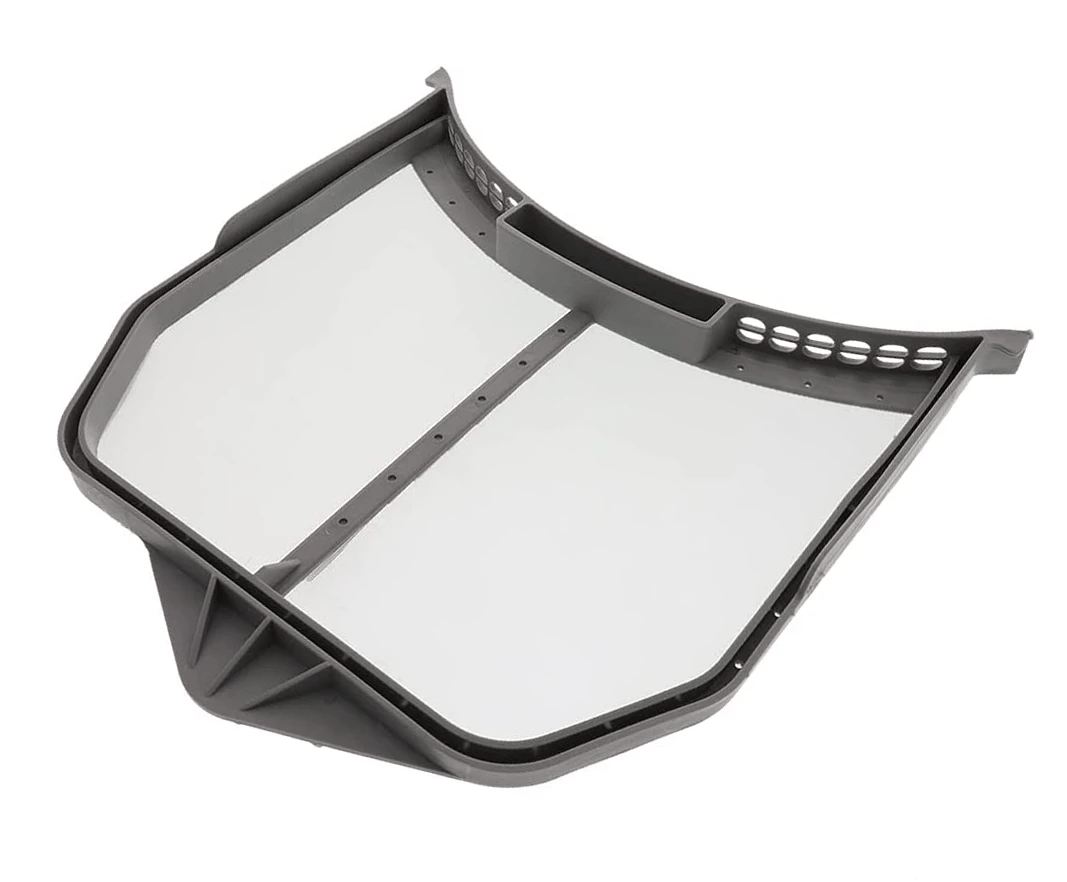
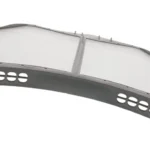
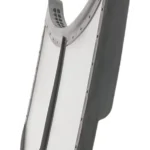
A torn or clogged lint screen restricts airflow through the drum, forcing the dryer to run multiple cycles to dry a single load. Replacing the screen restores proper air circulation and normal drying times.
Holes or tears in the mesh allow lint to escape back into the drum and redeposit onto freshly dried garments. A new intact screen traps all lint before it can recirculate.
A blocked or damaged lint screen starves the heating element of airflow, causing the dryer to overheat and trip the thermal fuse or high-limit thermostat. Restoring proper filtration prevents nuisance shutdowns.
A compromised lint screen allows lint to bypass filtration and accumulate inside the exhaust duct, creating a fire hazard and reducing overall dryer performance. Replacing the screen stops lint from entering the vent system.
💡 Pro Tip: How to Know Your Lint Screen Needs Replacing
Your part is likely the culprit if you notice any of the following:
⚠️ Visible rips, holes, or tears in the mesh screen
⚠️ Lint residue transferring back onto freshly dried clothes
⚠️ Dryer taking unusually long to dry a normal load
⚠️ Dryer overheating or shutting off mid-cycle due to restricted airflow
Pro Tip: Even without visible damage, clean the lint channel/housing with a brush before installing the new screen. Residual lint in the housing slot is a leading cause of reduced airflow even with a brand-new filter in place.
📦 What's in the Box
✅ 1× Dryer Lint Screen / Filter (approx. 12" × 12-1/2", metal mesh on plastic frame)
We typically respond within 1 business day. Include your appliance model number for the fastest answer.
Disclaimer: Compatibility information, part numbers, and model fitment data on this page are sourced from manufacturer databases and third-party references. While we strive for accuracy, please verify your appliance model number before ordering. Heima is not responsible for errors or omissions in compatibility listings.

Reviews
There are no reviews yet.