
How to Extend Your GE Refrigerator Evaporator Fan Motor Life — Maintenance Guide
Always disconnect power before inspecting the evaporator fan area. The fan blade can start unexpectedly and cause injury. Allow freezer to defrost completely before accessing the motor to avoid ice falls.
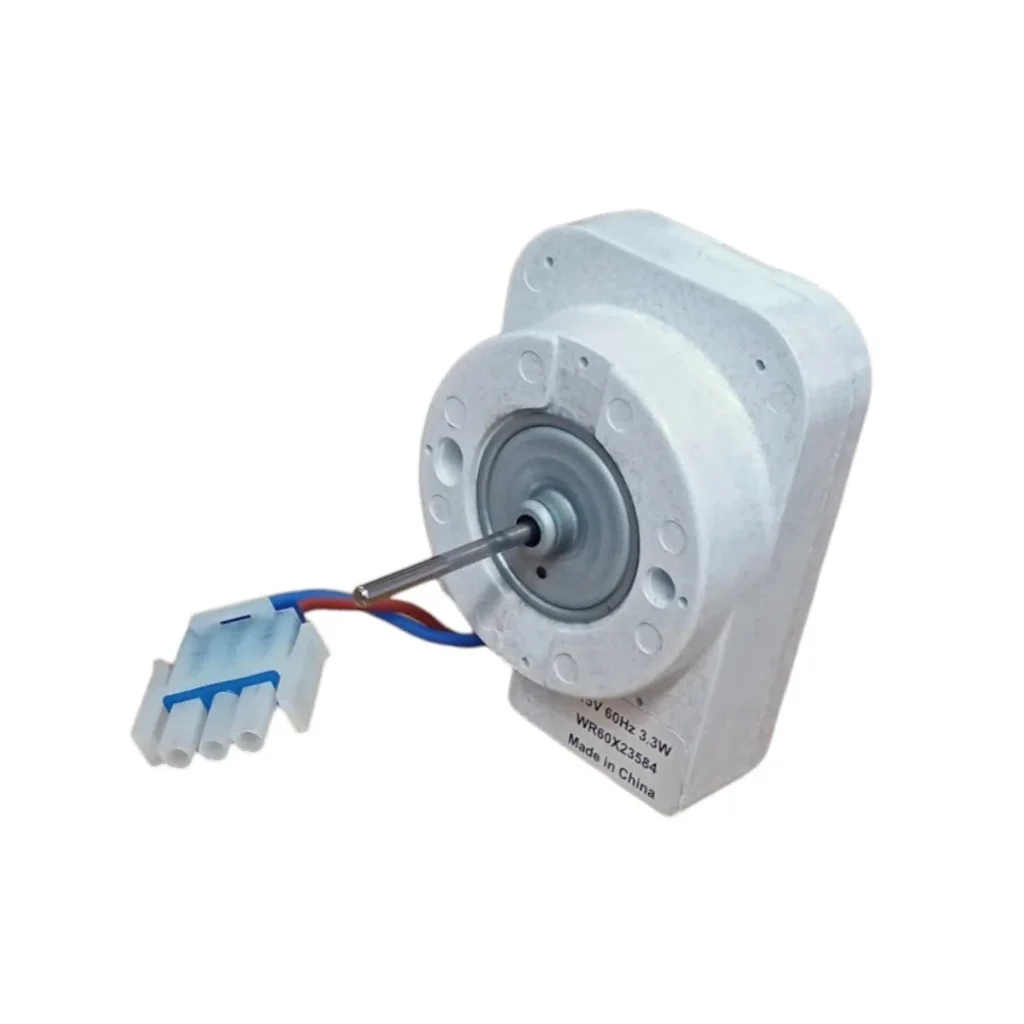
Most GE refrigerator evaporator fan motors should last 8-12 years, but here's the reality: about 40% fail between years 5-7. The difference? How well the surrounding system is maintained. When a fan motor in a model like the GE 36211XBMBRWW starts making clicking sounds or your freezer section runs warm, it's often because months of dust buildup and condenser neglect forced that motor to work overtime.
The WR60X23584 isn't expensive at $62.99, but you'll spend 30 minutes installing it plus another hour defrosting your freezer to access it. Let's talk about how to avoid that.
How Long Should It Last?
Under normal conditions, your evaporator fan motor should run 8-12 years. I've seen them hit 15 years in well-maintained units. But "normal conditions" means:
- Clean condenser coils (the fan works harder when the system can't dissipate heat)
- Properly sealed door gaskets (constant cycling wears the motor)
- No ice buildup around the fan (ice forces the blade to work against resistance)
- Stable voltage supply (brownouts damage the motor windings)
What kills these motors early? Three things: dust accumulation on coils forcing longer run cycles, ice buildup from a failing defrost system, and voltage spikes during storms. Your fan motor doesn't care if you keep milk fresh—it just counts runtime hours.
Signs It's Wearing Out
Your refrigerator will tell you when the evaporator fan motor is struggling. Here's what to listen and look for:
Clicking Sound From the Freezer
This is the classic early warning. You'll hear it when the compressor kicks on—a rhythmic clicking from behind the freezer wall. It means the motor is trying to start but the bearings are worn or ice is blocking the blade. On models like the A3316ABSARWW, this clicking often happens for 2-3 weeks before the motor quits entirely.
Don't ignore it. Once you hear clicking, you've got maybe a month before it's "won't start" territory.
Freezer Section Running Warm
The evaporator fan circulates cold air from the freezer to the fresh food section. When it's failing, your freezer hits 15-20°F instead of 0-5°F. Ice cream gets soft. Frost patterns look weird—thick in some spots, thin in others.
If your fridge section is also too warm, that's confirmation. The fan isn't moving air, period.
Fridge Runs Too Long Without Shutting Off
A worn motor can't spin fast enough to move adequate air. The thermostat senses warm temps and keeps the compressor running constantly. Your electric bill jumps $15-25/month, and you'll hear the compressor humming non-stop.
Feel the outside of the fridge—if it's warmer than usual between the doors, that's heat the system can't dissipate because air isn't circulating.
Complete Silence When It Should Be Running
Open your freezer door. Wait 10 seconds. Close it. You should hear the fan restart within 15-20 seconds. Nothing? That motor's done. The compressor might still run (you'll hear that), but without the fan, you're just making cold air that sits in one spot.
Maintenance That Actually Extends Motor Life
You can't rebuild this motor—it's a sealed unit. But you can reduce its workload significantly:
Keep the Condenser Coils Clean
Every three months, pull the fridge out and vacuum the coils underneath or behind it. Dusty coils mean the compressor runs 30-40% longer per cycle, which means your evaporator fan runs 30-40% longer. Do this with a brush attachment—compressed air just blows dust deeper into the fins.
Check Door Gaskets Monthly
Close the door on a dollar bill. If you can pull it out easily, the gasket's shot. Poor seals mean warm air intrusion, which means constant fan runtime. Replace gaskets when they lose grip—it's $30 vs. $62.99 for a new motor.
Monitor for Ice Buildup
Once a year, pull the freezer panel off (takes 5 minutes with a screwdriver) and look at the evaporator coils and fan. See thick ice around the fan blade? Your defrost system isn't working right. Fix that before it kills the motor.
Models like the 38451HBRFRWW are notorious for defrost timer failures that lead to ice buildup. Catching it early saves the fan motor.
Don't Overload the Freezer
Block the air vents in your freezer and the fan has to work harder to pull air across the coils. Keep items 2-3 inches away from the back wall where the vents are. More space = easier airflow = less motor strain.
When to Replace vs Maintain
Here's the honest decision framework: if you're hearing clicking sounds but the fan still runs, you've got time for maintenance. Clean the coils, check for ice, see if it improves.
But if you're at "won't start" or "fridge and freezer are too warm," you're past maintenance. The motor windings are done. Order the WR60X23584, set aside 30 minutes, and get it replaced.
The gray area? Noisy operation. If it's been noisy for months but temps are fine, the bearings are wearing but not dead. You could get another 6-12 months, or it could quit next week. I'd replace it—fighting freezer temps in July isn't worth saving $63.
What You'll Need for Basic Checks
You don't need much to maintain this motor:
- Screwdrivers (Phillips and flathead) to remove panels
- Socket set for some models that use hex screws
- Vacuum with brush attachment for coils
- Flashlight to inspect the fan blade area
- Thermometer to verify actual temps vs. settings
The repair itself is rated "easy" and takes 15-30 minutes, according to people who've done it on models like the A3315ABRFRWW. That's accurate if you're just swapping the motor. Add defrost time if there's ice.
Frequently Asked Questions
How often should I check the evaporator fan motor?
Listen for it every time you open the freezer door. Once a month, do the door test—close it and confirm the fan restarts within 20 seconds. Once a year, pull the panel and visually inspect for ice or debris. That's it. You're not doing oil changes here.
Can a failing fan motor damage other refrigerator components?
Absolutely. When the fan doesn't circulate air, the compressor runs constantly trying to cool things down. That overworks the compressor and can shorten its life by years. You might also see frost buildup patterns that make the defrost system work overtime. Fix a $63 fan motor now or risk a $400 compressor later.
Why does my fan motor work sometimes but not others?
Intermittent operation means worn bearings or a weak start capacitor (if your motor has one—not all do). The motor works when it's warm, fails when it's cold, or vice versa. Temperature affects the metal clearances in worn bearings. This is end-stage—replace it. You can't nurse it back to consistent operation.
Element showing wear?
WR60X23584 · Replace before it fully fails