
How to Extend Your Samsung Door Lock Switch Life — DC34-00026A Maintenance Guide
Always unplug washer before inspecting door lock assembly. Never force door open when locked — this can damage lock mechanism and door frame. Do not spray cleaners directly into lock assembly opening.
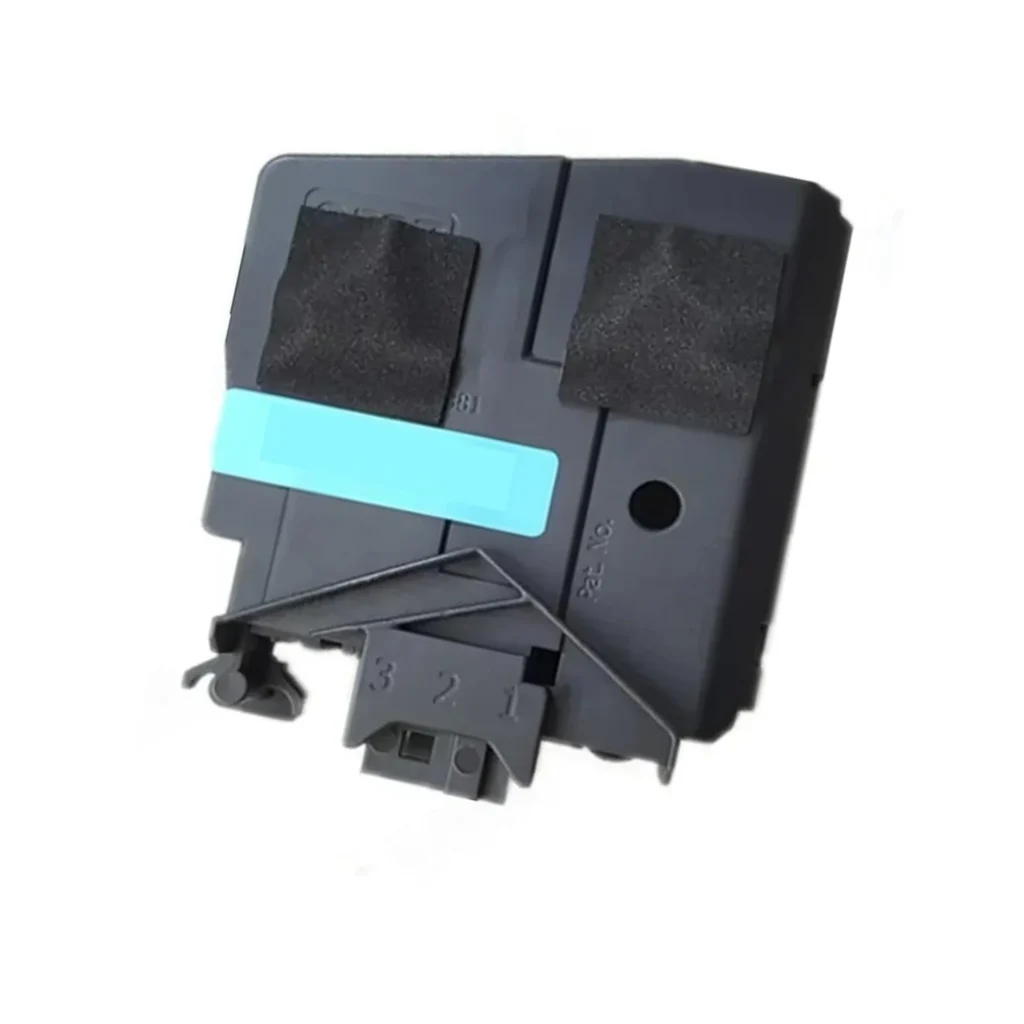
The average Samsung washer door lock switch lasts about 3-5 years, but most fail around the 2-year mark. The DC34-00026A door lock assembly in models like the WW80K6610QW and WW90M645OPO takes a beating every single load — we're talking 8-10 cycles per week for the typical household. That's over 2,000 lock/unlock cycles per year.
Here's the thing: this part doesn't actually wear out from use as much as it fails from neglect. Water intrusion, detergent buildup, and door misalignment cause 80% of premature failures.
How Long Should It Last?
Samsung rates the DC34-00026A door lock assembly for approximately 50,000 cycles under normal conditions. For most households, that translates to:
- Light use (3-4 loads/week): 5-7 years
- Average use (8-10 loads/week): 3-5 years
- Heavy use (15+ loads/week): 2-3 years
But that's assuming everything stays clean and properly aligned. In reality, detergent residue creeps into the latch mechanism, water seeps past worn door boots, and people slam doors harder than they should.
The electronic components in models like the WW90H7410EW and WW80H7410EW are particularly sensitive to moisture. Even a small amount of water on the circuit board can cause corrosion that leads to intermittent failures within months.
Signs It's Wearing Out
The door lock doesn't usually fail suddenly. You'll get warning signs weeks or even months before it completely quits. Watch for these:
Door Won't Lock or Unlock Consistently
You press start and nothing happens. Or the cycle finishes but the door stays locked for 10 minutes. This intermittent behavior means the solenoid or electronic switch is starting to fail. On the WW85K6410QX and WW85M64FOPW, this often presents as needing to restart the washer 2-3 times before it'll lock.
Clicking or Buzzing Sounds
A healthy door lock makes one solid click when it engages. If you're hearing repeated clicking (click-click-click-click) or a buzzing noise, the solenoid is trying to engage but can't complete the action. This usually means mechanical obstruction from detergent buildup or a weakening solenoid coil.
Error Codes Related to Door Lock
Samsung washers throw specific codes when the door lock circuit fails. Common ones include dE, dE1, dE2, or door-related errors on the display. On models like the WW90H9600EW and WW95N64FRPW, you might also see LE or LC codes if water intrusion is affecting the lock assembly.
Door Feels Loose or Misaligned
The door should close with a firm, solid feel. If it's wobbly, doesn't seat properly, or you need to lift/push to get it to latch, the strike plate or latch mechanism is wearing. This misalignment puts extra stress on the DC34-00026A assembly.
Preventive Maintenance Schedule
Most people never think about the door lock until it fails. Don't be most people.
After Every 10-15 Loads
Wipe down the door seal and latch area with a damp cloth. You're not deep cleaning — just removing visible detergent residue and lint. Pay attention to where the latch striker enters the lock body. That's where gunk accumulates first.
Monthly Deep Clean
Mix equal parts white vinegar and water in a spray bottle. Spray the door gasket, latch area, and around the lock assembly. Let it sit for 5 minutes, then wipe thoroughly. Run an empty hot water cycle with 2 cups of vinegar to flush any residue from inside the lock mechanism.
For combo units like the WD90J6410AW, WD90J6410AX, and WD12J80400GW, also check that nothing is blocking the door from closing completely — even a sock caught in the seal can throw off alignment.
Every 6 Months
Check door alignment. Close the door slowly and watch where the striker enters the lock. It should go straight in, not at an angle. If the door sags or the striker hits the top or bottom edge of the opening, the hinges need adjustment.
Inspect the door boot (rubber seal) for cracks or tears. A damaged boot lets water leak onto the lock assembly, which is the #1 killer of these parts.
When to Replace vs Maintain
Here's the honest truth: if the door lock is already throwing error codes or refusing to latch consistently, maintenance won't fix it. The DC34-00026A is an integrated electronic assembly — you can't repair the solenoid or replace individual components.
Maintenance extends life when:
- The lock works normally but you want to prevent problems
- You've noticed slight delays in locking (1-2 seconds longer than usual)
- You're cleaning up after detergent or water exposure
Replace immediately when:
- Error codes appear consistently
- You hear continuous clicking or buzzing
- The door won't lock after 2-3 attempts
- You see visible corrosion or water damage on the assembly
The DC34-00026A (also sold as AP6002224 and DC3400026A) costs around $37. That's cheap compared to a service call or being without your washer for days. If you're on the fence, replace it.
What Kills Door Locks Early
Three things destroy these assemblies before their time:
Too much detergent. HE washers need HE detergent — and less than you think. Excess suds create residue that gums up the latch mechanism. If you see suds during the rinse cycle, you're using too much.
Slamming the door. The latch mechanism is designed for normal closing force. Slamming it — especially when the washer is running — can crack plastic components or knock the striker out of alignment.
Ignoring leaks. Water that leaks from the door boot doesn't just puddle on the floor. It runs down inside the door frame and drips directly onto the lock assembly. On models like the WW80J7260GX, WW80J7260GW, and WW11K8412OW, the lock sits in a position that collects this water. Even small leaks cause big problems.
Frequently Asked Questions
Can I use WD-40 or lubricant on the door lock?
No. Petroleum-based lubricants attract lint and detergent residue, making the problem worse. If the latch feels stiff, clean it with vinegar solution — don't lubricate it. The DC34-00026A mechanism doesn't require lubrication under normal conditions.
Why does my door stay locked after the cycle ends?
Samsung washers include a 2-3 minute cool-down period where the door stays locked even after the cycle completes. This is normal. If it stays locked beyond 5 minutes, the lock assembly is failing to receive the unlock signal — usually due to a failing solenoid or water damage on the circuit board.
Will a bad door lock damage other parts of my washer?
Indirectly, yes. When the door won't lock, the control board keeps trying to engage it, which can stress the main board's relay circuits. More commonly, people force the door open when it's stuck locked, which can crack the door frame or damage the hinges. On models like the WW85H7410EW, forcing the door also risks damaging the boot seal, which leads to leaks.
Element showing wear?
DC34-00026A · Replace before it fully fails