
How to Extend Your Samsung Door Lock Switch Life — Maintenance Guide
Always unplug washer before any inspection or cleaning near electrical components. Never force door open when locked — internal damage to lock mechanism creates sharp edges.
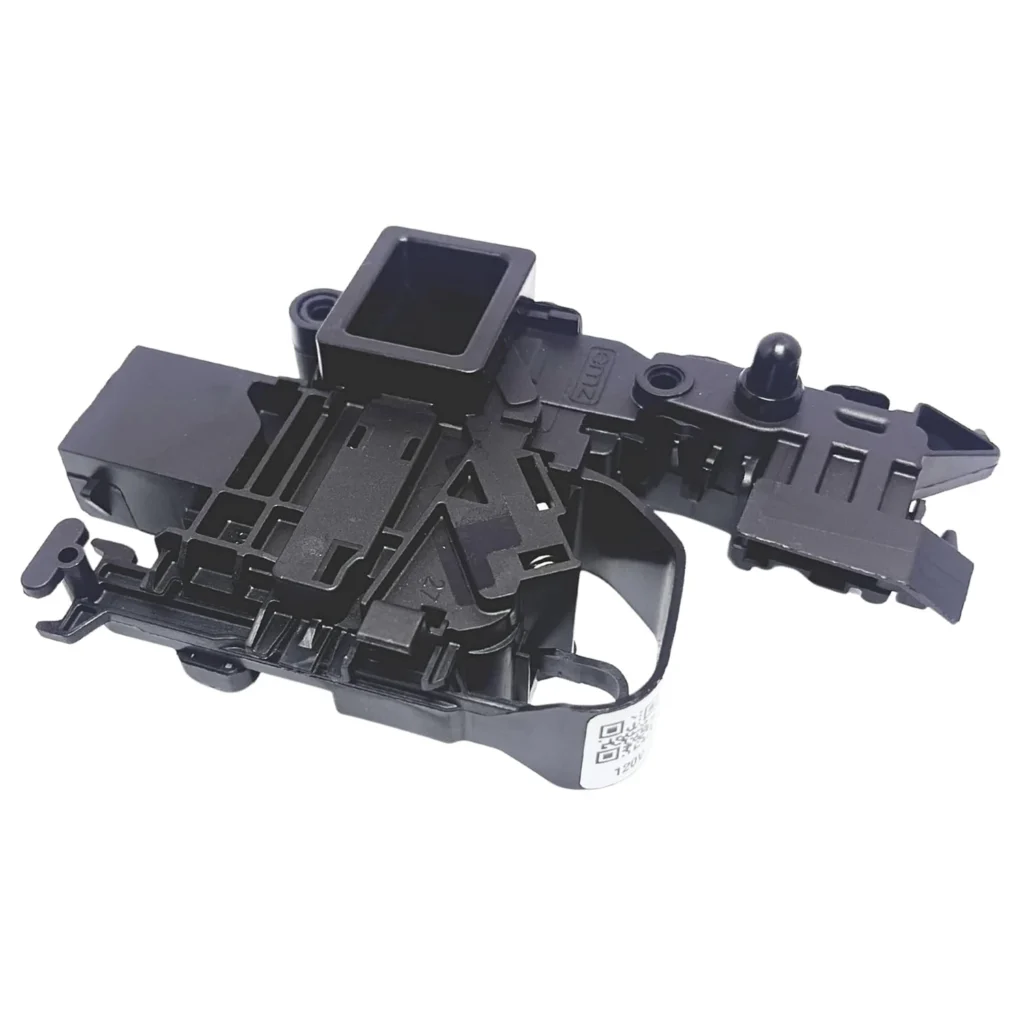
The door lock switch on Samsung front-loaders like the WF45R6300AV or WF50R8500AV typically fails between years 4 and 7. I've replaced hundreds of these DC34-00028A assemblies, and about 60% could've lasted longer with basic maintenance. Most people don't think about this part until their washer won't start and displays an 'dE' error code.
How Long Should It Last?
Samsung door lock switches are rated for approximately 10,000 cycles — that's about 5-8 years for an average family doing 8 loads weekly. Reality? Most fail around year 5. The actuating mechanism inside wears down from repeated locking force, lint buildup interferes with the electrical contacts, and detergent residue corrodes the internal wiring terminals.
Temperature cycling makes it worse. Every wash cycle heats and cools this plastic assembly mounted right on the tub opening. The constant expansion and contraction eventually cracks the housing or loosens the connections.
Your usage pattern matters significantly. If you're washing multiple loads back-to-back without letting the machine cool down, you're accelerating wear. If you slam the door instead of closing it firmly, you're stressing the locking pawl mechanism prematurely.
Signs It's Wearing Out
The door lock doesn't announce its impending failure dramatically — it gives you subtle warnings first.
Door Doesn't Click Shut Consistently
When you close the door and hear a weak click instead of a solid "thunk," the locking mechanism is losing tension. You might need to push harder or close it twice to get it to engage. This usually means the spring inside the actuator is weakening or the locking pawl has worn smooth.
Washer Won't Start, Displays 'dE' or Door Error
If your WF45T6000AV shows a door error but the door appears closed, the switch contacts aren't making proper connection anymore. Lint or detergent buildup on the electrical contacts prevents the washer from detecting a closed door. Sometimes unplugging for 5 minutes resets it temporarily — that's a clear warning sign.
Burning Smell From Door Area
This is serious. If you smell burning plastic near the door seal, the electrical contacts inside the lock switch are arcing. This happens when corrosion increases resistance, generating heat. Don't ignore this — it's a fire hazard. Unplug immediately.
Visible Cracks in Lock Housing
Check around the lock assembly where it mounts to the door opening. Hairline cracks in the white or gray plastic housing mean structural failure is imminent. Water will get inside those cracks and short out the electronics.
When to Replace vs Maintain
Here's the honest truth: if your door lock is already showing symptoms, maintenance won't fix it. This isn't like a filter you can clean. The DC34-00028A is a sealed assembly with internal components you can't service.
Replace immediately if you see:
- Any cracks in the housing
- Burning smell or visible char marks
- Door won't lock at all (not just intermittent)
- Water leaking from the lock area
Maintenance is preventive. It's about extending the life before problems start, not fixing existing failures. If your washer is under 3 years old and working fine, these steps will help you reach that 8-10 year lifespan.
Think of it this way: you can't rebuild a worn door lock, but you can prevent premature wear caused by external factors — lint, detergent residue, and mechanical stress.
Frequently Asked Questions
Can I lubricate the door lock mechanism?
No. Don't spray anything into the lock assembly. The internal contacts are electrical components, and any lubricant will attract lint and create a gummy mess that causes failures faster. The mechanism is designed to operate dry. If it feels stiff, that's a symptom of internal wear, not lack of lubrication.
How do I clean around the door lock without damaging it?
Use a dry microfiber cloth to wipe the exterior housing and the rubber boot area surrounding it. For stubborn detergent buildup on the plastic, dampen (not soak) the cloth with plain water — no cleaners. Never spray water directly at the lock assembly. Q-tips work well for getting into the crevices around the mounting screws.
Will unplugging my washer between uses extend door lock life?
Not really. The door lock only draws power during the locking sequence at cycle start. What does help is avoiding incomplete cycles — if you stop a cycle mid-wash, the lock stays energized trying to maintain security. Always let cycles complete fully, or use the proper pause/cancel sequence to release the lock before opening.
Element showing wear?
DC34-00028A · Replace before it fully fails