
How to Extend Your GE Ice Bucket Auger Life — Maintenance Guide
Always unplug the refrigerator or turn off the ice maker before removing the ice bucket. The auger motor can start unexpectedly if the dispenser lever is pressed while you're working.
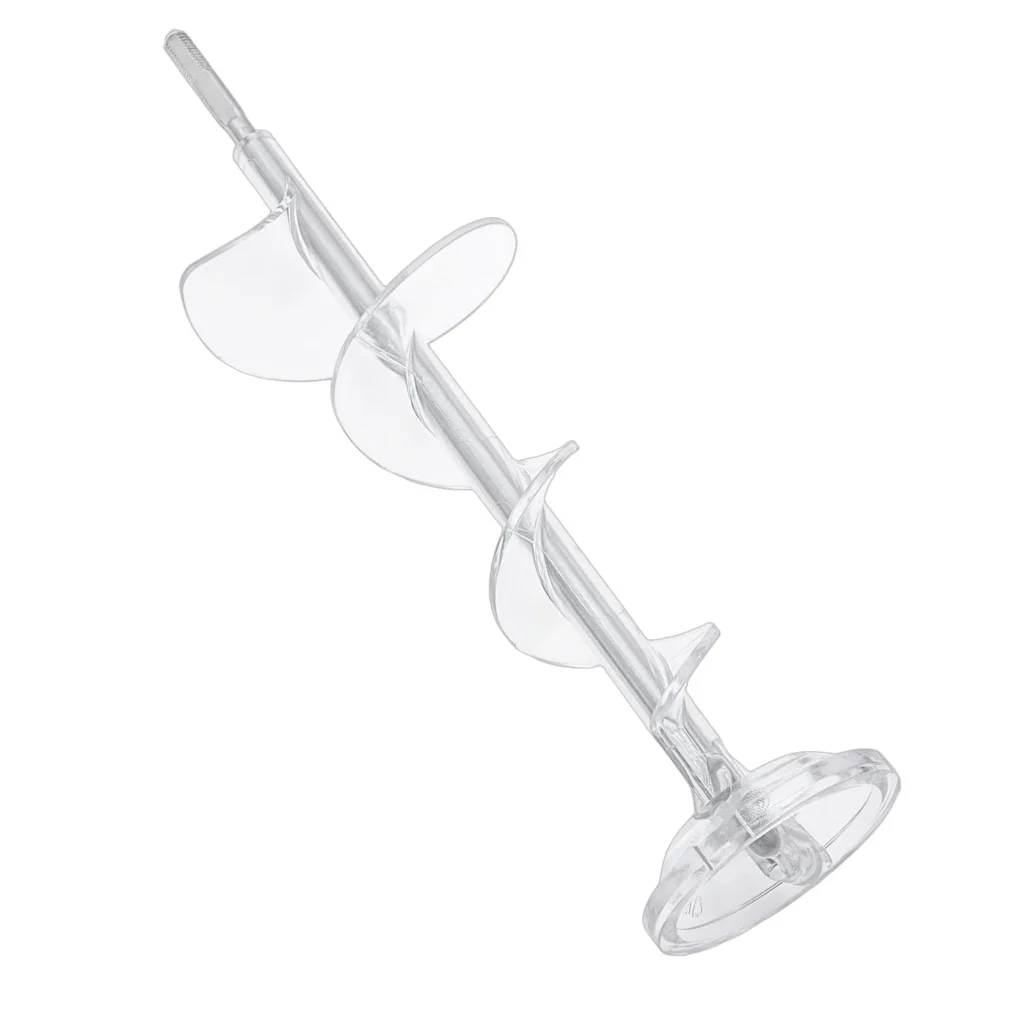
Most GE ice bucket augers should last 8–10 years, but they typically fail around year 5. The difference? How you treat your ice maker between major cleanings. When that auger motor revs but nothing moves, you're looking at either a worn auger or ice jamming that could've been prevented.
How Long Should It Last?
The WR17X11705 auger is a rotating plastic assembly that pushes ice from your bucket to the dispenser chute. Under normal use, you'll get 8–10 years. But three things kill it early:
- Ice clumping — When cubes freeze together, the auger works harder to break them apart, wearing down the helical fins
- Overfilling — Running the bucket too full puts constant pressure on the auger motor, especially in models like the GSH25JFTAWW and BSS25JFTAWW
- Water quality — Mineral deposits from hard water create rough ice surfaces that act like sandpaper on the plastic
One user noted their replacement auger came in "dark blue plastic, not clear as shown in pictures" — that's actually the updated material GE uses now. It's slightly more durable than the original clear version.
Signs It's Wearing Out
You'll know the auger's going before it completely fails. Here's what to watch for:
Engine Revs But Auger Won't Turn
This is the classic failure mode. You press the dispenser lever, hear the motor running, but no ice comes out. Sometimes you'll get one or two cubes, then nothing. The auger fins have worn down so much they can't grip the ice anymore, or a fin has cracked and jammed the assembly.
Ice Maker Dispenses Too Little Ice
If you're getting a trickle instead of a flow, the auger fins are probably worn unevenly. The high spots still move some ice, but the low spots let cubes slip past. This happens gradually — you might not notice until someone points out how long it takes to fill a glass.
Excessive Noise During Dispensing
A healthy auger runs with a steady hum. When you hear grinding, clicking, or a rhythmic thump-thump-thump, that's either ice jamming against worn fins or a crack developing in the plastic. Don't ignore it — that noise means damage is accelerating.
Maintenance Tasks That Actually Matter
You can't replace worn plastic, but you can prevent the conditions that cause premature wear. Here's what works:
Weekly: Break Up Clumps
Open the freezer door, pull out the ice bucket, and break apart any frozen-together cubes. Takes 30 seconds. This single habit prevents 80% of auger strain. If you see a solid ice block forming, you're waiting too long between breaks.
Monthly: Empty and Wash the Bucket
Pull the bucket completely out (it just lifts straight up on models like the ESH22JFWAWW and GSS25WGMDWW). Dump all ice, wash with warm water and mild soap, dry thoroughly. This removes mineral buildup that makes ice stick to the auger.
While it's out, spin the auger manually. It should rotate smoothly with no binding. If you feel resistance or see white mineral deposits on the fins, soak the auger in a 50/50 vinegar-water solution for 20 minutes, then scrub gently with a soft brush.
Every 3 Months: Check the Auger Motor Connection
The auger connects to its drive motor with a coupling that can loosen over time. With the bucket removed, look at where the auger shaft meets the motor. There should be no visible gap. If there is, the coupling needs tightening — that slack causes uneven wear on the auger fins.
Annually: Inspect for Stress Cracks
Remove the bucket and examine the auger fins under good light. You're looking for hairline cracks, especially where the fins meet the central shaft. These cracks start small but propagate fast once they begin. If you see any, order a replacement now rather than waiting for a complete failure.
When to Replace vs Maintain
Here's the honest truth: once the auger fins are worn down by more than 25% of their original height, maintenance won't help. You're past the point where cleaning and care make a difference.
Replace immediately if you see:
- Any crack longer than 1/4 inch in the plastic
- Fins worn so thin they flex when you press them
- The motor runs but absolutely no ice dispenses (and you've verified it's not a jam)
- Visible chunks missing from the fin edges
Keep maintaining if:
- Ice flow is still strong and consistent
- No unusual noises during dispensing
- Fins are intact with only minor surface wear
- The auger spins freely when you rotate it by hand
As one user reported: "Removing and replacing the old auger was very easy. Fit the GE ice bucket perfectly. The bucket is working like new." When you do need to replace it, the job takes about 15 minutes — no tools required on most models. The bucket lifts out, the old auger pulls straight up, and the new one drops in.
The Water Quality Factor
If your area has hard water (above 7 grains per gallon), you're fighting an uphill battle. Mineral-laden ice wears down plastic faster than pure water ice. Consider installing an inline water filter for your refrigerator's water line — it'll extend both your auger life and your ice maker's overall lifespan.
You'll know you have a hard water problem if you see white residue building up on the ice bucket walls or if your ice cubes look cloudy instead of clear. That cloudiness is trapped minerals, and those same minerals are grinding against your auger fins every time you dispense.
Frequently Asked Questions
Do I Need to Disassemble the Ice Crushing Components to Replace the Auger?
No, the auger is a separate component from the crusher assembly. You can replace just the auger without touching the crusher. The bucket lifts straight out of the freezer, and the auger pulls up from the bucket. Some users have noted that installation videos can be hard to find — if the manufacturer's video link is dead, search for "GE ice bucket auger replacement" on YouTube for current working tutorials that show the exact sequence.
Why Does My New Auger Look Different From the Old One?
GE updated the material around 2018. Older augers were clear plastic, while the WR17X11705 replacement comes in dark blue. The blue plastic is slightly more durable and easier to inspect for wear. It functions identically to the clear version and fits all the same models, including the GSH25JSDBSS, DSS25PFMDWW, and HSS25GFPDWW series.
Can I Run the Ice Maker Without the Auger Installed?
Technically yes, but it's pointless — ice will make but won't dispense. If you're waiting for a replacement part, you can still access ice by opening the freezer and pulling cubes directly from the bucket. Just don't let the bucket overfill, because that can damage the ice maker's fill sensor and create a bigger problem than a worn auger.
Element showing wear?
WR17X11705 · Replace before it fully fails