
How to Extend Your GE Dishwasher Water Inlet Valve Life — Maintenance Guide
Always shut off water supply and disconnect power before inspecting the inlet valve. Water and electricity don't mix.
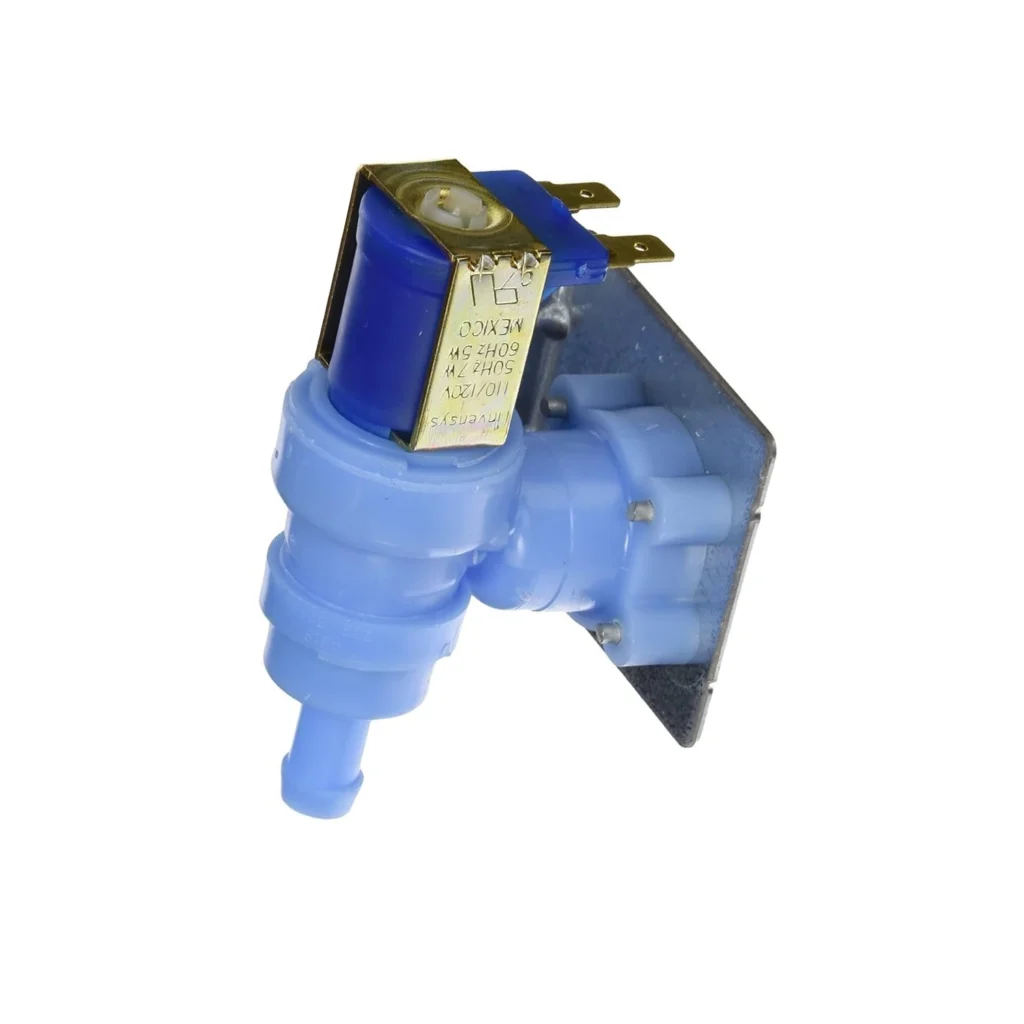
Most dishwasher water inlet valves should last 8-12 years, but hard water and debris can cut that lifespan in half. The WD15X10009 valve controls every drop of water entering your GE, Hotpoint, or RCA dishwasher — when it starts failing, you'll know it.
How Long Should It Last?
Under normal conditions, the WD15X10009 inlet valve should give you 8-12 years of service. That's roughly 3,000-4,000 wash cycles. But I've seen these valves fail in under 5 years when hard water scale builds up on the solenoid screens, or when sediment from old plumbing clogs the internal filter.
What affects lifespan? Water quality is the biggest factor. If you've got hard water (above 7 grains per gallon), mineral deposits will accumulate faster. The second factor is how often your dishwasher runs — daily use means more wear on the rubber seals and solenoid coils.
Temperature matters too. Inlet valves in hot utility rooms or near water heaters experience faster rubber degradation. The valve connects to your home's water line, so pressure spikes from water hammering can stress the internal components over time.
Signs It's Wearing Out
The inlet valve doesn't gradually decline — it usually gives you warning signs weeks or months before complete failure. Here's what to watch for:
Dishwasher Won't Fill or Fills Slowly
You start the cycle and hear the valve click, but water trickles in instead of flowing. Or nothing happens at all. This usually means the solenoid coil is weakening or the inlet screen is partially blocked. On models like the GLDT690D00WW and GSM1800F00BB, you'll notice the cycle seems to run forever because it's waiting for enough water to trigger the float switch.
Water Leaking from the Valve
Check under the dishwasher near where the water line connects. If you see drips or puddles when the dishwasher isn't running, the rubber seal inside the valve has probably hardened and cracked. The WD15X10009 uses dual solenoid valves, so sometimes only one side leaks initially.
Dishwasher Overfills
Water on your kitchen floor is never good. If the valve sticks open, water keeps flowing even after the dishwasher should stop filling. This happens when mineral deposits prevent the solenoid from closing completely, or when the internal rubber diaphragm stays stuck open.
Humming or Buzzing During Fill
A healthy inlet valve opens quietly. If you hear loud humming when the fill cycle starts, the solenoid is struggling — either from low voltage, a failing coil, or something blocking the valve mechanism. This is an early warning sign on units like the GLDT696T00SS.
When to Replace vs Maintain
Here's the honest truth: inlet valves aren't really repairable. You can't replace the solenoid coils separately, and the internal components aren't sold as serviceable parts. But you can extend the valve's life significantly through preventive maintenance.
Keep maintaining if: Your dishwasher fills normally, no leaks are present, and you're just doing preventive care. Cleaning the inlet screen every 6-12 months can add years to the valve's life.
Time to replace when: You've got active leaking, the valve won't open, or it won't close (overfilling). Once the rubber seals fail or the solenoid burns out, replacement is your only option. The WD15X10009 runs about $65, which is reasonable considering a service call would cost twice that.
If you're getting intermittent fills — works sometimes, fails other times — that's a borderline situation. Try cleaning the inlet screen first. If problems continue, replacement is next.
Frequently Asked Questions
Can I clean the inlet valve screen without replacing the whole valve?
Yes, and you should do this annually if you have hard water. Shut off the water supply, disconnect the inlet line from the valve, and you'll see a small mesh screen. Remove it carefully with needle-nose pliers, rinse under water, and use an old toothbrush to remove sediment. Check for any tears in the screen — if it's damaged, you'll need a new valve since screens aren't sold separately.
Why does my dishwasher sometimes fill and sometimes not?
Intermittent filling usually means the solenoid coil is on its way out. As the coil heats up during operation, its resistance changes, and eventually it can't generate enough magnetic force to open the valve consistently. Voltage drops in your home's electrical system can also cause this — the valve needs full voltage to operate reliably.
Will a water softener help my inlet valve last longer?
Absolutely. Hard water is the number one killer of inlet valves. Scale buildup clogs the screen, coats the solenoid, and hardens the rubber seals. If your water is above 10 grains hardness, a whole-house softener can double your valve's lifespan. Even a basic dishwasher-specific softener helps if you're on well water or in an area with mineral-heavy municipal water.
Element showing wear?
WD15X10009 · Replace before it fully fails