
How to Extend Your Whirlpool Washer Door Latch Life — Maintenance Guide
Always unplug washer before inspecting or cleaning door latch components. Never force a stuck door — damage to the latch can cause water leaks mid-cycle.
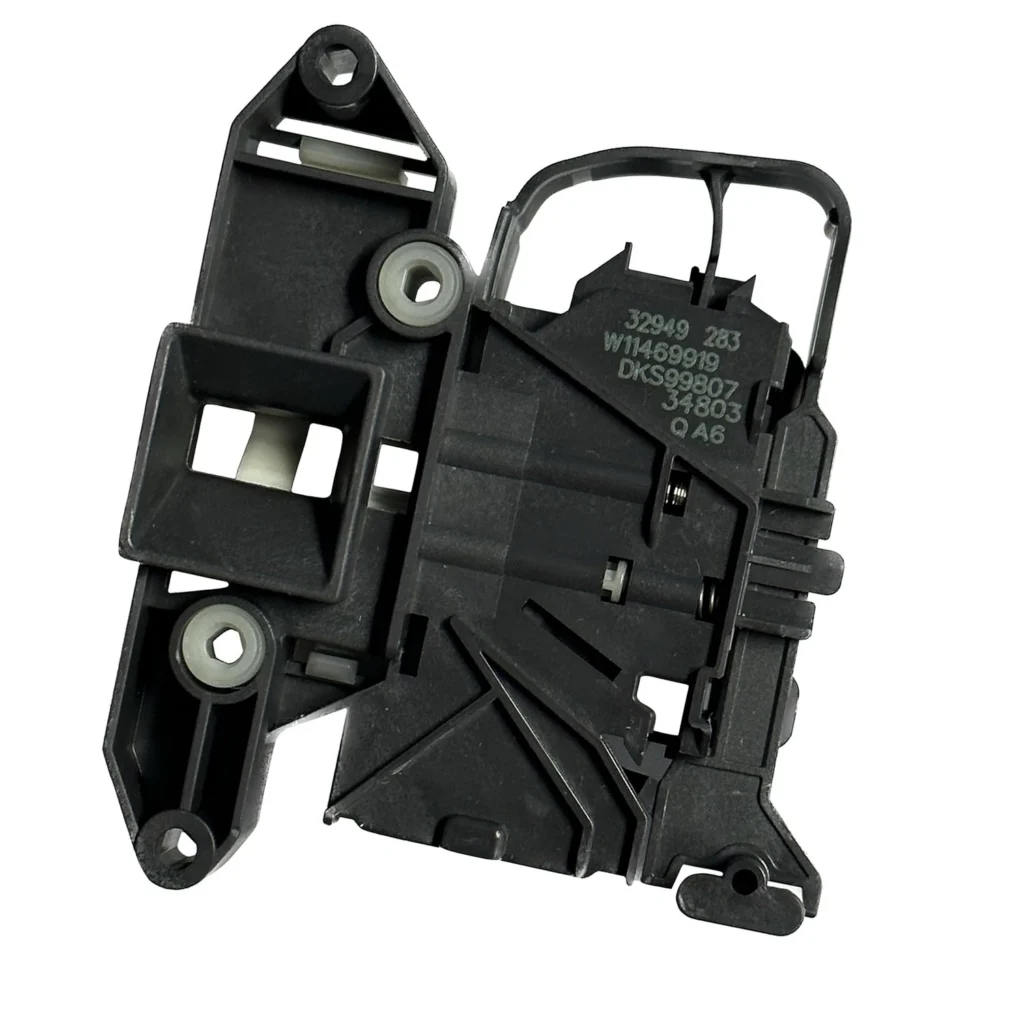
Here's something most people don't realize: the average washer door latch assembly should last 8-10 years, but most fail around year 5. The difference? How you close that door every single time. We see this constantly with Whirlpool models like the WFW5620HW0 and MHW5630HW0 — people slam the door thinking it needs force, when that's actually what kills the latch mechanism prematurely.
How Long Should It Last?
The W11565030 door latch assembly is built for roughly 15,000-20,000 cycles. If you're doing 8 loads a week, that's about 400 loads per year — meaning you should get 10-12 years out of this part under ideal conditions. But here's what actually affects that lifespan:
- Door closing force: Slamming reduces life by 40-50%
- Detergent buildup on the latch: Creates friction that wears the mechanism
- Water hardness: Mineral deposits lock up the striker plate
- Humidity: Keeps the latch cavity damp, accelerating corrosion
- Overloading: Puts pressure on door alignment, stressing the latch
Most people in humid climates or with hard water see failure around year 6, while those who follow proper care can push past 10 years.
Signs It's Wearing Out
The door latch doesn't just fail overnight. It gives you warnings — you just need to know what you're looking for. Here's the progression we see in most Whirlpool and Maytag front-loaders:
Lid or Door Won't Close Properly
This is usually the first sign. You'll notice the door doesn't click into place as crisply as it used to. Maybe you have to push it twice, or apply pressure while turning the handle. That's the striker plate wearing down or the latch mechanism getting sticky from detergent residue. On models like the WFW6620HW0, you might hear a half-click instead of the solid double-click when the door is properly secured.
Locking Issues Mid-Cycle
Your washer starts fine, fills with water, then suddenly stops with an error code. The door lock indicator light might blink. What's happening is the latch engages initially but can't maintain the lock position — usually because the solenoid contacts are corroded or the mechanical hook is binding. This happens a lot on the WFW8620HW0 and MHW5630HW0 after detergent buildup gets past the rubber gasket.
Will Not Start At All
The final stage: you close the door, press start, and nothing happens. The washer won't even attempt to lock because the door switch inside the latch assembly isn't making contact. At this point, the latch mechanism is either fully jammed with mineral deposits or the plastic components have cracked from repeated stress. We see this most often on 7-8 year old units where the owner never cleaned the latch cavity.
Monthly Maintenance That Actually Works
You don't need a complicated routine. Here's what keeps this part running another 5+ years beyond its expected life:
After each use: Leave the door cracked open 2-3 inches for at least an hour. This lets moisture evaporate from the latch cavity instead of sitting there corroding the metal contacts. Sounds simple, but it's the single biggest thing you can do.
Weekly: Wipe down the door gasket AND the latch striker plate with a dry cloth. You're removing the soap film that accumulates from detergent vapor. Takes 30 seconds.
Monthly: Mix equal parts white vinegar and water in a spray bottle. Spray the latch striker plate (the metal hook on the washer frame that the door catches onto), let it sit 2 minutes, then wipe clean with a microfiber cloth. This dissolves mineral buildup before it hardens. For the latch mechanism itself inside the door, spray the same solution and use a soft brush (an old toothbrush works) to get into the crevices. You're looking at the cavity where the striker enters — that's where detergent and lint collect.
Every 6 months: Run an empty washer cycle with 2 cups of white vinegar on the hottest setting. This cleans the internal components and any residue that's worked its way past the door seal.
When to Replace vs Maintain
Here's the honest truth: if your latch is already failing to start the washer or not locking mid-cycle, maintenance won't fix it. Those symptoms mean internal components are damaged. But if you're catching early signs — the door feels slightly less secure, there's visible soap buildup on the striker, or you hear a different click sound — aggressive cleaning can extend the part's life another 2-3 years.
The break-even point is around $40 for the W11565030 replacement assembly. If you're spending more than 20 minutes per month dealing with latch problems, or if you're already having to jiggle the door to get it to lock, just replace it. Your time is worth more than trying to baby a failing part.
One more thing: if you're replacing it, that's the perfect time to establish these maintenance habits so the new one lasts the full 10+ years instead of 5.
Frequently Asked Questions
Can I use WD-40 or oil on the door latch?
No. Oil-based lubricants attract lint and detergent residue, which creates a paste that jams the mechanism worse than having no lubricant at all. If you need lubrication, use a silicone-based spray specifically designed for appliances, and apply it sparingly only to the mechanical pivot points — not the electrical contacts or striker plate. Honestly, most latches don't need any lubricant if you're keeping them clean.
Why does my door latch work sometimes but not others?
Intermittent failure usually means the electrical contacts inside the latch assembly are corroded but not completely gone. When you close the door, sometimes they make connection, sometimes they don't. Temperature affects this too — the contacts might work when the washer is warm from a previous cycle but fail when cold. This is a replace-soon situation, not something you can maintain your way out of. You've got maybe 2-4 weeks before it fails completely.
Does overloading the washer damage the door latch?
Absolutely. When you overstuff the drum, it throws the tub off balance during spin cycle. That creates vibration that stresses the door mounting points, which throws the latch alignment off by millimeters. Over time, that misalignment means the striker plate hits the latch at a slightly wrong angle every single time, wearing down the plastic catch mechanism. If you consistently overload your Whirlpool or Maytag washer, expect your door latch to fail 2-3 years early. The fix is simple: leave space at the top of the drum for clothes to move freely.
Element showing wear?
W11565030 · Replace before it fully fails