
How to Extend Your Whirlpool Washer Water Inlet Valve Life — Maintenance Guide
Always turn off both hot and cold water supply valves before maintenance. Disconnect power to washer. Have towels ready — residual water in hoses will drain when disconnected.
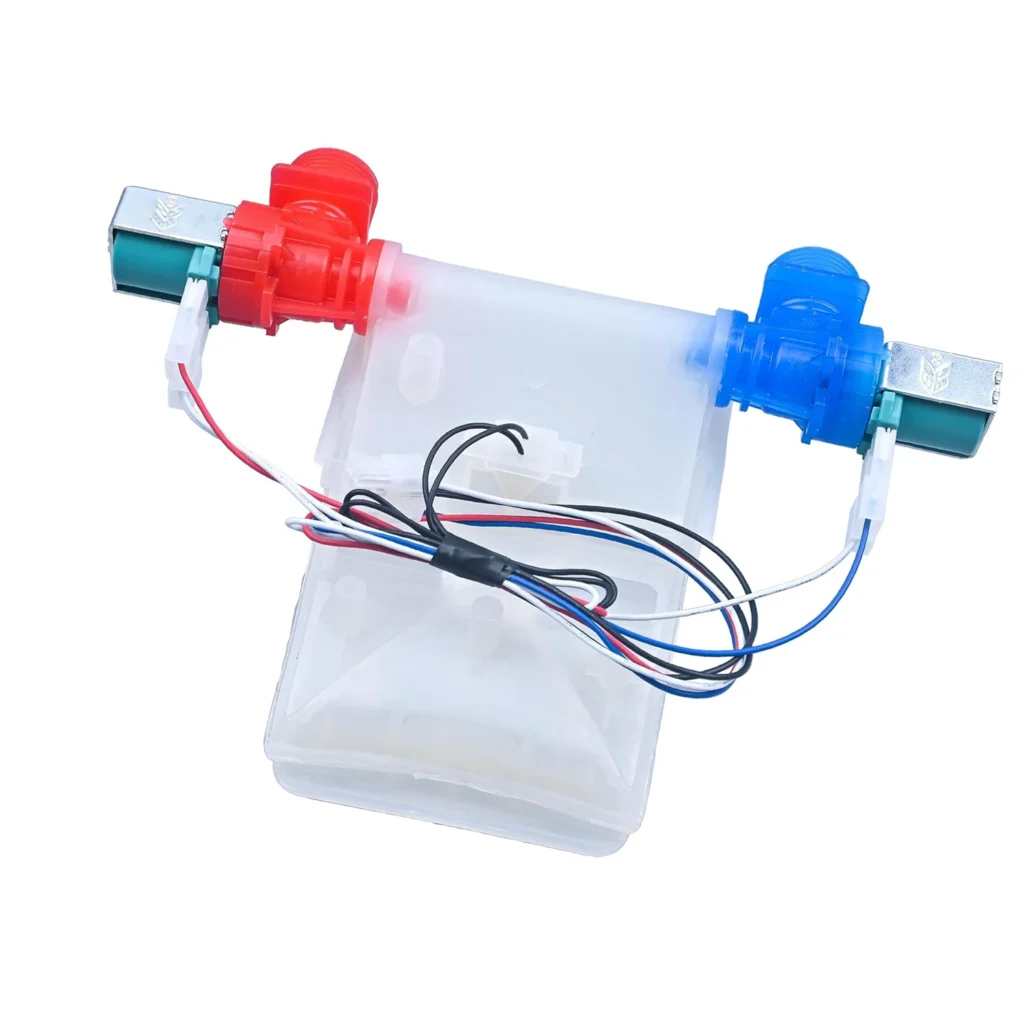
Here's something I see all the time: a Whirlpool washer inlet valve that should last 8-10 years fails after just 3-4. The W10869800 valve in your WTW4850HW or MVWC565FW isn't expensive at $70.99, but the hassle of a mid-cycle failure — water pooling behind your washer, laundry sitting wet — that's the real cost. Most failures aren't manufacturing defects. They're sediment buildup and mineral deposits you could've prevented.
How Long Should It Last?
A properly maintained inlet valve typically lasts 8-10 years. I've seen valves on well water fail in 2 years and city water valves run 15+ years — the difference is always water quality and maintenance habits.
What kills inlet valves early:
- Hard water mineral deposits — calcium builds up on the solenoid screens, restricting flow until the valve stays open or won't open at all
- Sediment from old pipes — rust flakes and debris lodge in the screens, causing pressure issues
- High water pressure — anything over 80 PSI hammers the valve mechanism every fill cycle
- Temperature cycling — constant hot/cold switching on combination fill cycles stresses the internal seals
Your WTW4950HW2 or WTW5000DW3 fills 30-50 times per week. That's 1,500-2,500 cycles annually. Each one deposits a tiny bit of mineral scale. Do nothing, and eventually the valve can't close properly — hello, leaking.
Signs It's Wearing Out
The W10869800 valve doesn't just die overnight. It tells you it's struggling weeks before total failure. Here's what to watch for:
Leaking During or After Fill Cycle
Water dripping from behind your washer? That's usually the inlet valve failing to close completely. Mineral buildup on the rubber seal prevents it from seating properly. You'll see a slow drip that becomes a puddle over time. On models like the 8TWTW4955JW0, this often appears as moisture on the back panel first, then progresses to floor puddles.
Water Filling Issues — Slow Fill or No Fill
Your washer takes 10 minutes to fill when it used to take 3? The inlet screens are clogged. Sediment restricts flow through the valve. Eventually, the washer times out and throws an error. On Whirlpool models, you might see the fill light blinking or the washer just sitting there humming. The valve's trying — the solenoids are working — but nothing's getting through those screens.
No Hot or Cold Water (or One but Not the Other)
The W10869800 has two solenoids — one for hot, one for cold. When you get only cold water on a hot wash, that hot-side solenoid is done. Mineral deposits lock up the plunger, or the coil burns out from overwork. Your MVWC465HW3 defaults to cold rather than error out. You'll notice your whites staying dingy or towels not coming clean — because they're washing in 60°F water instead of 120°F.
When to Replace vs Maintain
Be honest: if you're seeing any of those three symptoms, you're past maintenance. The valve needs replacement. But here's the thing — you can prevent reaching that point.
Replace immediately if:
- Water leaks continuously even when the washer is off
- The valve housing shows cracks or corrosion
- You've already cleaned the screens twice and problems return within 3 months
- The valve is over 10 years old (original equipment on a 2014 or older model)
Maintain if:
- Fill times have increased slightly but washer still completes cycles
- You live in a hard water area and want to prevent buildup
- Your water pressure spikes (you hear hammering in pipes)
- The valve is less than 5 years old with no leaking
One maintenance session every 6-12 months can triple your valve's lifespan. I'm talking 30 minutes of your time versus $70.99 plus installation.
Frequently Asked Questions
How do I clean the inlet valve screens without removing the valve?
You can't effectively clean them in place. Turn off water supply, disconnect the hoses, and you'll see mesh screens in each inlet port. Pull them out with needle-nose pliers, soak in white vinegar for 20 minutes to dissolve calcium, scrub with an old toothbrush, rinse thoroughly. If the screens are damaged or too corroded, replacement screens cost $3-5 at hardware stores. Reconnect everything and check for leaks before pushing the washer back.
Will a whole-house water softener protect my inlet valve?
Yes, significantly. Softened water prevents calcium and magnesium buildup that causes 80% of inlet valve failures. But you still get sediment from old pipes. Install a mesh filter on the cold supply line (hot water already goes through your water heater, which filters it). Change that filter every 3-6 months. Combined with softened water, your W10869800 valve will likely outlast your washer.
My water pressure is 90 PSI — do I need a pressure regulator?
Absolutely. Anything over 80 PSI hammers your inlet valve every single cycle. The solenoids work harder to seal against that pressure. The valve body experiences more stress. You'll hear water hammer when the valve closes. Install a pressure regulator on your main water line (set to 60-65 PSI) or at minimum on the washing machine supply lines specifically. That $40 regulator will save you from replacing inlet valves, fill hoses, and potentially water heater elements. It's the cheapest insurance you can buy for any water-using appliance.
Element showing wear?
W10869800 · Replace before it fully fails