
How to Extend Your Whirlpool Upper Agitator Life — W10836692 Maintenance Guide
Always unplug the washer before removing the agitator. Never force the agitator off — excessive pulling can damage the lower agitator assembly.
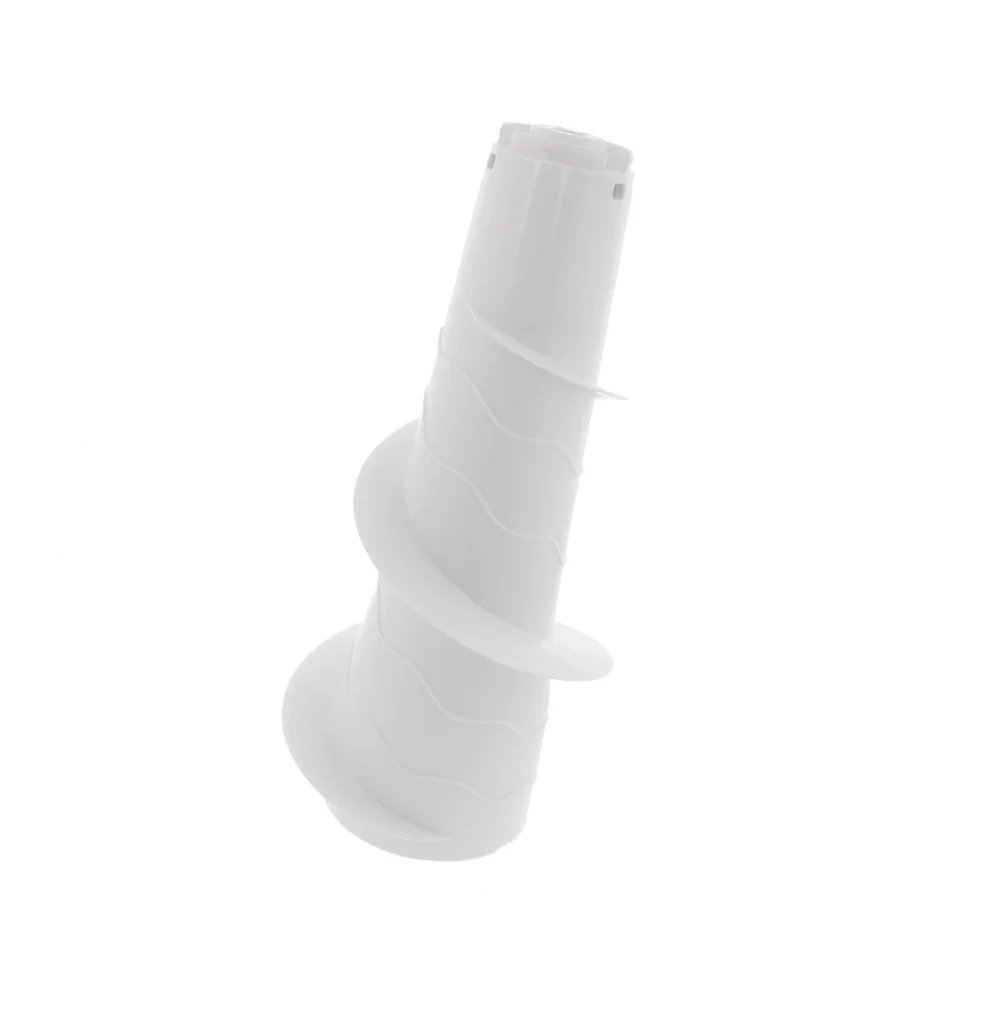
Most Whirlpool upper agitators like the W10836692 should last 8-12 years, but the average replacement happens around year 5. The difference? How you load your washer and what you wash.
This maintenance guide covers the W10836692 upper agitator — the component that moves clothes through the wash cycle in your Whirlpool, Maytag, Kenmore, or Amana top-load washer. Compatible with models including WTW4855HW0, WTW4955HW2, MVWC416FW1, and dozens of others in the WTW and MVWC series.
How Long Should Your Upper Agitator Last?
The W10836692 upper agitator is designed for 10+ years of use under normal conditions. That's roughly 3,000-4,000 wash cycles. But here's what actually affects lifespan:
- Overloading: Packing clothes above the agitator fins puts constant stress on the mounting splines and dogs
- Heavy items: Washing thick comforters or rugs regularly accelerates wear on the agitator dogs (the ratcheting mechanism inside)
- Off-balance loads: When the washer shakes excessively, the agitator takes lateral stress it wasn't designed for
- Detergent buildup: Excess soap residue creates friction and prevents smooth rotation
With proper loading habits and occasional cleaning, you can push this part past its expected lifespan. Without it, you'll see failure around year 4-5.
Signs Your Agitator Is Wearing Out
The upper agitator doesn't just stop working overnight. You'll notice these warning signs first:
Agitator Spins Freely in One Direction
If you can manually turn the agitator easily in one direction but not the other, the internal agitator dogs are worn. These ratcheting components should lock in both directions during the wash cycle. When they wear down, clothes don't get moved properly through the water.
Loose Movement or Clicking Sounds
A properly mounted agitator shouldn't wobble or make clicking noises during the wash cycle. If you hear a repetitive click-click-click or can lift and wiggle the upper section, the splines connecting it to the lower agitator are worn. This gets worse over time and eventually causes the agitator to stop engaging completely.
Clothes Coming Out Tangled or Still Dirty
When the agitator isn't rotating with enough force, clothes don't circulate through the wash water effectively. You'll notice items twisted around the agitator post or concentrated detergent residue on specific pieces. This often happens gradually — loads just seem less clean over several months.
Visible Cracks or Broken Fins
Check the plastic fins along the agitator body. Stress cracks near the base or broken-off fin sections mean the plastic has become brittle from age or chemical exposure. Even small cracks will expand during the spin cycle.
When to Replace vs. Maintain
Here's the honest truth: upper agitators aren't really repairable. Unlike drive belts or pumps with moving parts you can service, the W10836692 is a single molded assembly with internal components that can't be accessed.
Replace when:
- The agitator spins freely in either direction (worn dogs)
- You see any cracks in the plastic body
- The mounting splines are visibly rounded or stripped
- Clothes consistently come out poorly washed
Keep maintaining when:
- The agitator still locks firmly in both directions
- No visible damage to fins or body
- Wash performance is still good
- No unusual noises during operation
At $121.99, the W10836692 isn't a cheap part, but trying to squeeze extra life from a failing agitator means every load comes out subpar. If you're seeing multiple warning signs, replacement makes more sense than hoping it'll last another year.
Frequently Asked Questions
Can I Clean Detergent Buildup Off the Agitator?
Yes, and you should do this every 3-4 months. Remove the fabric softener dispenser cap (if your model has one) and the upper agitator by pulling straight up firmly. Soak it in a 50/50 mix of white vinegar and hot water for 30 minutes, then scrub with an old toothbrush to remove residue from the fins and internal surfaces. This prevents the gummy buildup that causes sticking and premature wear.
How Do I Know If My Agitator Dogs Are Worn?
With the washer empty and off, grab the upper agitator and try rotating it clockwise, then counterclockwise. It should lock firmly in both directions — you shouldn't be able to spin it more than a quarter turn. If it rotates freely in one direction, the dogs are worn and the agitator needs replacement. There's no way to replace just the dogs on this model.
Will Using Liquid Fabric Softener Damage the Agitator?
Liquid fabric softener won't directly damage the plastic, but it leaves residue that accumulates in the dispenser mechanism and on the agitator fins. Over time, this buildup creates friction and makes the agitator work harder. If you use fabric softener regularly, clean the agitator monthly. Better option: switch to dryer sheets or wool dryer balls to avoid the buildup entirely.
Element showing wear?
W10836692 · Replace before it fully fails