
How to Extend Your Washer Control Timer Life — W10199989 Maintenance Guide
Always unplug washer before touching any control panel components. Live voltage is present at timer terminals even when dial is in OFF position. Use insulated tools only.
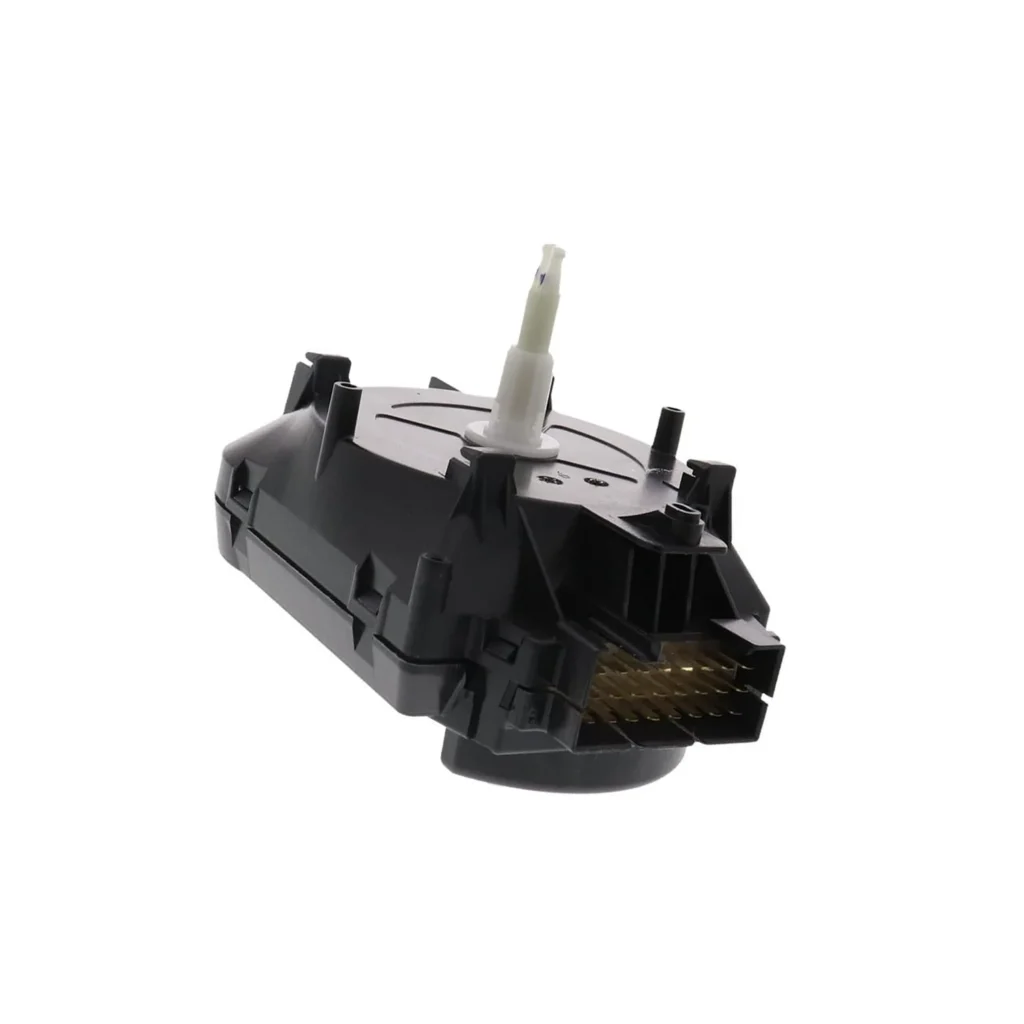
Most washer control timers like the W10199989 should last 8-12 years, but I've seen them fail in as little as 3 years when subjected to power surges and moisture infiltration. This timer controls the entire wash cycle sequence in Estate, Amana, Admiral, and Roper washers — when it goes, your machine becomes a very expensive paperweight.
The good news? You can significantly extend its life with some basic preventive care that takes less than 10 minutes every few months.
How Long Should It Last?
A quality control timer like the W10199989 typically lasts 8-12 years under normal conditions. However, several factors dramatically affect lifespan:
- Power quality: Voltage spikes and brownouts can damage the internal relay contacts
- Humidity exposure: Laundry room moisture can corrode connections over time
- Load frequency: Running 15+ loads per week accelerates mechanical wear on the timer cam
- Detergent residue: Overfilling can cause suds to migrate into the control panel
Models like the ETW4400XQ0, NTW4500XQ0, and ATW4475XQ0 all use this same timer mechanism. The motor inside rotates a cam that physically triggers switches — it's electromechanical, which means both electrical and mechanical components can wear out.
Signs It's Wearing Out
Control timers don't usually fail overnight. They give you warnings first. Here's what to watch for:
Timer Won't Advance or Skips Cycles
If your washer stops mid-cycle or the timer knob won't turn smoothly, the internal motor or cam mechanism is likely wearing out. You'll turn the dial and feel it catch or stick at certain positions. Sometimes the timer advances, sometimes it doesn't — that inconsistency is the telltale sign.
Burnt Smell from Control Panel
A burning electrical odor coming from behind the control panel means relay contacts are arcing. This happens when contacts become pitted from thousands of switching cycles. The smell is distinct — like burning plastic mixed with ozone. Don't ignore this one.
Washer Stuck on One Cycle Setting
When your Estate or Amana washer fills but won't agitate, or agitates but won't spin, the timer motor has likely stopped turning. The drum might work perfectly on some settings but not others because different cycle positions trigger different internal switches.
Clicking Sounds During Operation
Rapid clicking from the control panel indicates relay chatter — the contacts are bouncing instead of making solid connection. This usually happens just before complete failure. The clicking matches the rhythm of whatever cycle should be running.
When to Replace vs Maintain
Here's my honest assessment: if your timer is already showing failure symptoms, maintenance won't save it. Control timers aren't repairable — you can't replace internal relays or the motor separately.
But if your W10199989 is still working properly, preventive maintenance can add 3-5 years to its life. That's the difference between replacing it now at $80.99 versus getting several more years of service first.
Replace immediately if:
- You smell burning plastic from the control panel
- The timer physically won't turn or feels jammed
- Cycles won't complete even after resetting
- You see visible burn marks or melting on the timer housing
Maintain and monitor if:
- Everything works but you want to prevent future problems
- You've had recent power surges in your area
- The washer is 5+ years old and you're being proactive
- You notice minor stiffness when turning the dial
Frequently Asked Questions
Can I clean the inside of the control timer?
No, and don't try. The timer housing is sealed for a reason — the cam mechanism and switches are precisely aligned. Opening it will likely cause more problems than it solves. Focus on keeping the external connections clean and dry instead.
Will a surge protector help extend timer life?
Absolutely. I recommend a whole-appliance surge protector rated for at least 1800 joules. Standard power strips aren't enough — washers draw too much current during motor startup. A proper surge protector can prevent 90% of voltage-related timer failures.
Does unplugging the washer when not in use help?
It does, but it's not practical for most people. What I actually recommend is unplugging during thunderstorms and when you're away for extended periods. The timer motor is always drawing a tiny amount of standby power — reducing that time adds up over years.
Element showing wear?
W10199989 · Replace before it fully fails