
How to Extend Your LG Evaporator Fan Motor Life — EAU61524007 Maintenance Guide
Always unplug the refrigerator before removing the back freezer panel. The evaporator fan connects directly to 120V power through the control board. Never attempt to test the motor with power connected — you risk electric shock in a confined, metal-lined space.
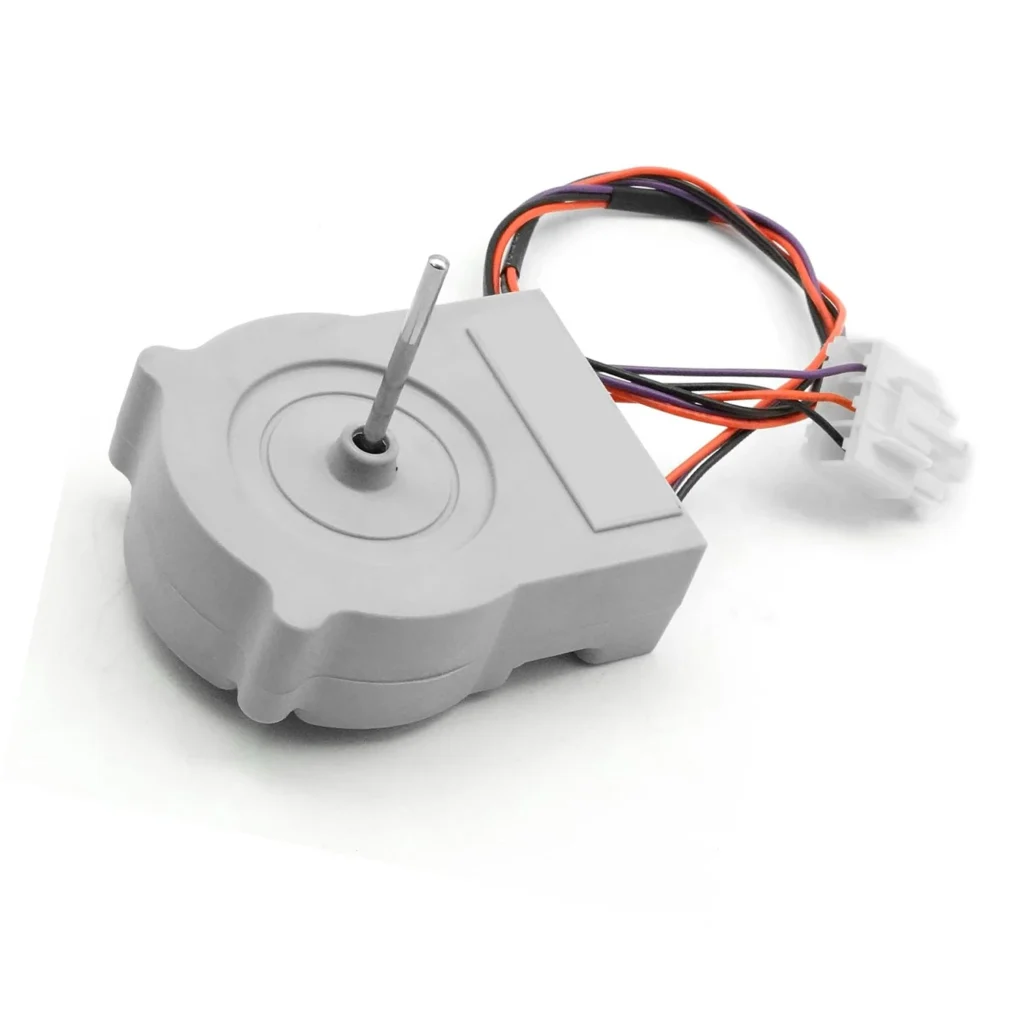
Most LG evaporator fan motors should last 8-12 years, but I've seen dozens fail at the 4-5 year mark. The difference? How well the refrigerator's overall cooling system is maintained. When frost builds up around the motor or the freezer runs too warm, that fan works overtime — and dies early.
This isn't just about one part. The evaporator fan motor (like the EAU61524007 in models LFX25991ST, LFXS30726S, and LMXS30746S) is your freezer's circulation workhorse. When it goes, you'll know — food thaws, ice cream gets soft, and you hear absolutely nothing where there should be a steady hum.
How Long Should It Last?
Under normal conditions, expect 8-12 years from an LG evaporator fan motor. I've seen units push 15 years in homes where the coils stay clean and the door seals tight. But here's what shortens that lifespan:
- Frost buildup: When the defrost system isn't working right, ice forms around the motor housing. The fan blades hit ice, the motor strains, bearings wear out fast.
- Dirty condenser coils: When the condenser can't release heat properly, the compressor runs longer. That means the evaporator fan runs longer. More hours equals faster wear.
- Poor door seals: Warm air entering the freezer means constant cycling. Your fan never gets a break.
- Overloading the freezer: Blocking airflow makes the motor work harder to circulate cold air.
The motor itself is simple — a brushless DC motor spinning a plastic fan blade. What kills it isn't the motor quality, it's the environment you make it work in.
Signs It's Wearing Out
Evaporator fan motors don't just quit without warning. You'll get clues weeks or even months before total failure. Here's what to watch for:
The Freezer Runs Warmer Than It Should
Your freezer should sit at 0°F. If it's creeping up to 10-15°F and the compressor is running, the fan isn't moving cold air like it should. Check this first: open the freezer door and listen near the back wall. You should hear a steady hum. Silence means the motor's dead or dying.
Intermittent Noise — Clicking, Grinding, or Squealing
A healthy evaporator fan is nearly silent. When you start hearing clicks (motor trying to start but failing), grinding (bad bearings), or high-pitched squealing (blade hitting ice or debris), the motor's on borrowed time. This noise usually comes and goes at first — you'll hear it for a few seconds when the compressor kicks on, then it stops. That's the motor struggling before it warms up enough to spin freely. Eventually, it won't spin at all.
Frost Buildup on the Back Freezer Wall
Ironic, right? A failing fan can actually cause frost. Here's why: when the fan doesn't circulate air properly, cold spots form. Moisture in the air freezes directly onto the evaporator coils instead of being distributed throughout the freezer. You'll see thick frost or ice behind the back panel. If you remove the panel and find the fan blade encased in ice, the motor probably seized from the weight.
Maintenance That Actually Extends Motor Life
You can't lubricate this motor or change its bearings — it's a sealed unit. But you can eliminate the conditions that kill it early.
Every 6 Months: Clean the Condenser Coils
Pull the refrigerator out from the wall. Use a coil brush or vacuum attachment to clean the condenser coils (usually on the back or underneath). Dirty coils make the compressor and evaporator fan run 30-40% longer than necessary. That's the single biggest thing you can do to extend motor life.
Monthly: Check the Door Seals
Close the door on a dollar bill. If you can pull it out easily, the seal isn't tight. Warm air infiltration makes the evaporator fan cycle constantly. Replace worn seals before they kill the motor.
Every 3 Months: Verify Proper Airflow Inside
Don't block the vents inside the freezer. The fan pulls air across the evaporator coils and pushes it through those vents. When you stack food against them, the motor strains. Leave 3 inches of clearance around all vents.
Annual: Inspect Behind the Freezer Panel
Once a year, remove the back panel inside the freezer (usually 3-4 screws). Look at the evaporator coils and fan blade. You should see clean coils with minimal frost. If there's heavy ice buildup, your defrost system needs attention — fix it before it takes out the fan motor.
When to Replace vs Maintain
If the motor is already making noise or the freezer's running warm, maintenance won't save it. Here's the decision framework:
Replace immediately if:
- The motor hums but the blade doesn't spin (seized bearings)
- No sound at all when the compressor's running (dead motor)
- Grinding noise that doesn't stop after defrosting
- The freezer's above 15°F and the compressor runs constantly
Maintain and monitor if:
- Occasional clicking when starting, but then runs normally
- Slight increase in freezer temperature (5-8°F) that responds to cleaning coils
- Intermittent noise that stops after manual defrost
Be honest: if you're pulling the back panel off anyway to inspect, and the motor's 7+ years old with any symptoms, just replace it. The EAU61524007 costs $80.99. A service call costs more, and you'll probably be replacing it within six months anyway. Labor's the same whether you do it now or later.
What Kills These Motors Besides Age
I've replaced hundreds of evaporator fan motors. The ones that fail early all share common patterns:
Ice damage: The number one killer. When the defrost heater or timer fails, ice gradually encases the fan blade. The motor tries to spin against increasing resistance until something gives. Sometimes the blade cracks, sometimes the motor burns out.
Power surges: The control board sends voltage to this motor dozens of times per day. A voltage spike from a lightning strike or grid fluctuation can fry the motor windings instantly. This is why I always check the board's relay when diagnosing a dead fan.
Bearing failure from humidity: These are sealed bearings, but they're not waterproof. If your home is extremely humid or you live in a coastal area, moisture gradually works its way into the bearing assembly. You'll hear it as a grinding noise that gets progressively worse.
Manufacturing defects: Some motor batches just fail early. If your EAU61524007 dies within 3 years on a well-maintained refrigerator, it was probably defective from the factory. The replacement will likely outlast the refrigerator.
Frequently Asked Questions
How Often Should I Hear the Evaporator Fan Running?
The evaporator fan runs whenever the compressor runs — typically 15-20 minutes per hour in normal conditions. If you hear it running constantly for hours, something's wrong with the temperature control or defrost system. If you never hear it, the motor's dead or the control board isn't sending power to it.
Can I Run the Refrigerator With a Dead Evaporator Fan Motor?
Not for long. The compressor will keep running, but cold air won't circulate. Your freezer will stay somewhat cold near the coils, but everything else will gradually thaw. You've got maybe 24-48 hours before you start losing food. The compressor will also work harder and potentially overheat since it can't cycle off when the freezer's actually cold — it just can't tell because the cold air isn't reaching the temperature sensor.
Why Does My New Motor Make a Different Sound Than the Old One?
Slight variations in motor noise are normal between manufacturing batches. As long as it's a steady hum without clicking, grinding, or squealing, it's fine. New motors often sound slightly louder for the first few weeks until the bearings seat properly. If the noise is actually louder than the old motor was when it was new, verify you got the correct replacement and that the fan blade is installed correctly and not hitting anything.
Element showing wear?
EAU61524007 · Replace before it fully fails