
How to Extend Your Samsung Dishwasher Heating Element Life — DD81-02148A Maintenance Guide
Always disconnect power at the breaker before inspecting or cleaning the heating element. Never touch the element during or immediately after a cycle — it reaches 170°F and stays hot for 30+ minutes.
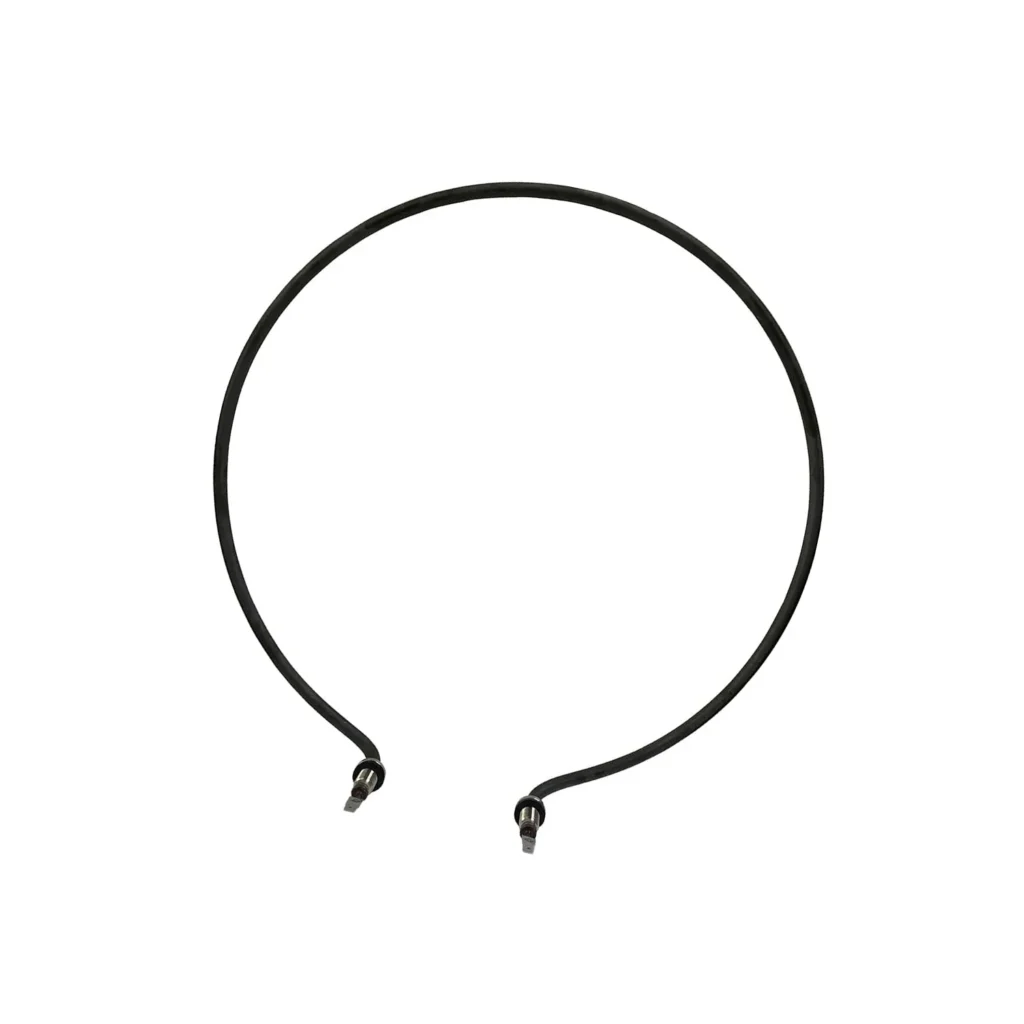
Most Samsung dishwasher heating elements fail between 4–6 years, but I've seen the DD81-02148A last 10+ years with proper care. The difference? Understanding what kills these elements and catching problems early.
How Long Should Your Heating Element Last?
The DD81-02148A heating element in models like the DW80M2020US/AA, DW80N3030UB/AA, and DW80R2031UG/AA typically lasts 5–7 years under normal use. That's roughly 2,500–3,500 wash cycles.
What affects lifespan:
- Water hardness — Hard water deposits insulate the element, forcing it to work harder and eventually burn out
- Detergent quality — Cheap or excessive detergent leaves residue that causes hot spots
- Filter maintenance — Debris that reaches the heating element creates localized overheating
- Cycle selection — Constant high-temp cycles stress the element more than mixed use
With proper maintenance, you can push that lifespan to 9–12 years. The element costs $122.99, so it's worth protecting.
Signs Your Heating Element Is Wearing Out
Heating elements don't just quit overnight. They give warnings.
Dishes Coming Out Wet
If your dishes are consistently wet after the dry cycle, especially plastic items, your heating element isn't reaching proper temperature. This doesn't mean it's dead — it might be covered in mineral deposits that insulate it from the water.
Check the element surface. If you see white or cloudy buildup, it's limescale. That coating prevents efficient heat transfer.
Longer Cycle Times
When the element struggles to heat water, the dishwasher extends cycle times trying to compensate. If your normal wash that used to take 90 minutes now takes 120+ minutes, the element is working inefficiently.
Your Samsung dishwasher monitors water temperature. When it doesn't hit target temps fast enough, it just keeps running.
Visible Corrosion or Blistering
Pull out the lower rack and look at the heating element at the bottom of the tub. A healthy DD81-02148A should be smooth and metallic. Watch for:
- White or greenish corrosion spots
- Blistered or bubbled metal surface
- Discoloration in specific areas (hot spots)
- Any breaks or cracks in the element coil
These are terminal signs. Once you see physical damage, maintenance won't help — you need replacement.
Tripped Breaker or Error Codes
If your dishwasher trips the circuit breaker during heating cycles, the element might be shorting. Samsung models showing HE or tE error codes are reporting heating element failures.
Don't keep resetting the breaker. A shorting element can damage your dishwasher's control board, turning a $123 repair into a $400+ problem.
When to Replace vs. Maintain
Here's the honest decision framework I use:
Maintain if:
- Element shows mineral buildup but no physical damage
- Heating is slow but consistent
- No visible corrosion or breaks
- Dishwasher is less than 5 years old
Replace if:
- You see any cracks, blisters, or breaks in the element
- Heavy corrosion that doesn't clean off
- Element tests show continuity failure (use multimeter)
- Tripping breakers or consistent error codes
Testing is simple: disconnect power, remove wires from the element, and test resistance. The DD81-02148A should read 15–30 ohms. Infinite resistance means it's dead. Zero ohms means it's shorted.
Frequently Asked Questions
Can I run my Samsung dishwasher if the heating element fails?
Yes, but your dishes won't dry properly and sanitization cycles won't work. The dishwasher will complete wash cycles using whatever your home's hot water heater provides, but it can't boost temps for proper drying or sanitizing. Plan to hand-dry everything or replace the element soon.
How do I prevent hard water damage to the heating element?
Run a descaling cycle monthly if you have hard water. Use citric acid or a commercial dishwasher cleaner like Affresh. Fill the detergent dispenser and run the hottest, longest cycle empty. This dissolves mineral deposits before they permanently coat the element. Some folks add a rinse aid, which also helps prevent mineral adhesion.
Will using cheaper detergent damage my heating element?
Cheap detergent won't directly damage the element, but poor-quality formulas leave more residue. That residue bakes onto the heating element during dry cycles, creating an insulating layer that makes it work harder. Stick with decent detergent and follow the recommended amounts — more isn't better. Over-sudsing actually makes the problem worse.
Element showing wear?
DD81-02148A · Replace before it fully fails