
How to Extend Your Samsung Washer Clutch Assembly Life — DC97-16984A Maintenance Guide
Always disconnect power before inspecting the clutch area. Never run the washer with access panels removed.
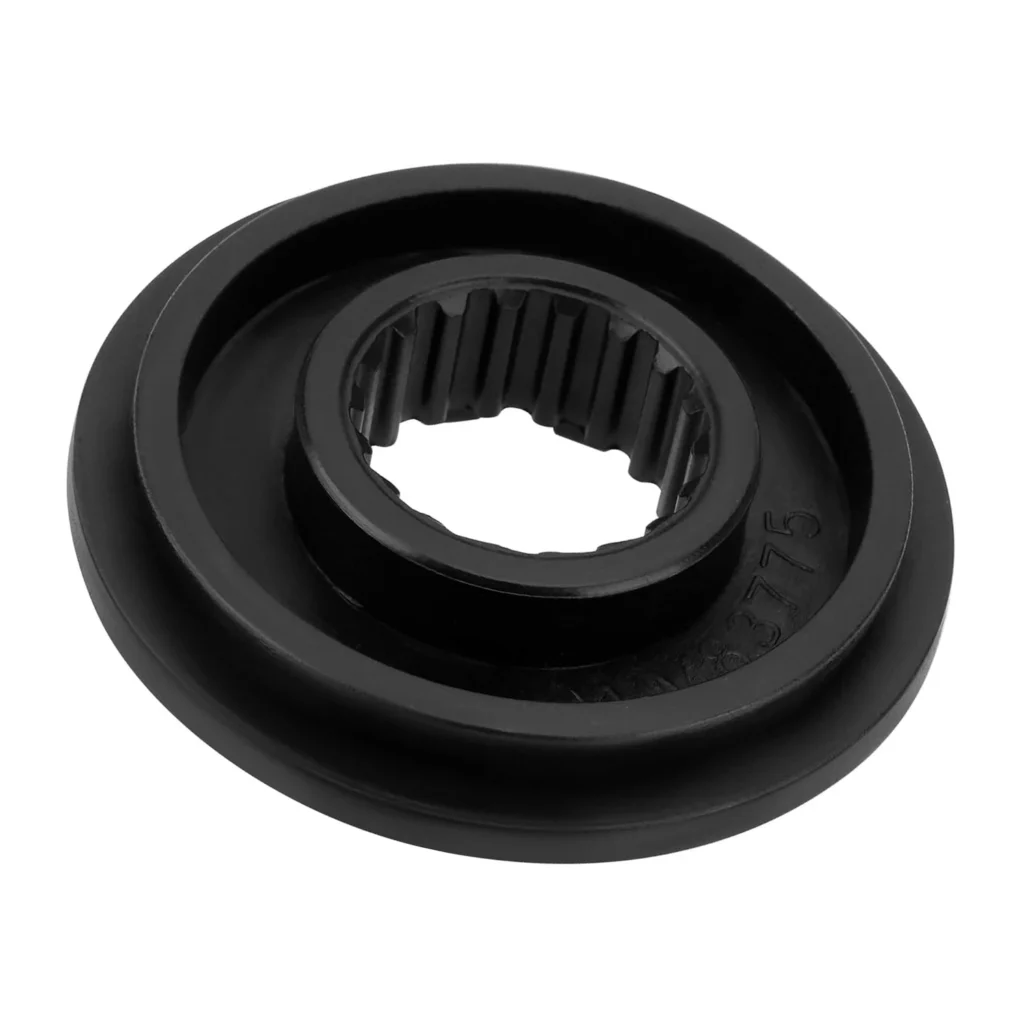
Here's what most people don't realize: the clutch assembly in your Samsung top-loader should last 8-10 years, but most fail between 5-7. The difference? How you load the machine and what you ignore early on.
The DC97-16984A clutch assembly is the mechanical heart of Samsung models like the WA45H7000AW, WA456DRHDWR, and WA45K7100AW. It's what translates your motor's power into the spinning action that actually cleans your clothes. When it starts wearing out, you'll know — the symptoms aren't subtle.
How Long Should Your Clutch Assembly Last?
Under normal conditions, Samsung's clutch gear coupling assembly is designed for 8-10 years of service. That's roughly 2,500-3,000 wash cycles if you're doing laundry 5-6 times weekly.
But here's the reality: most clutch assemblies wear out prematurely because of three things nobody talks about — chronic overloading, ignoring early warning sounds, and running unbalanced loads repeatedly. Each of these accelerates the wear on the gear coupling, which is the exact failure point described in the common failure data.
With proper care? You can push that lifespan to 10-12 years. I've seen it happen when people actually follow a maintenance routine.
Signs Your Clutch Assembly Is Wearing Out
The clutch doesn't fail silently. It gives you weeks or even months of warning if you're paying attention.
Loud Rattling Noises During Spin Cycle
This is the first symptom most people notice. If your Samsung washer sounds like it's shaking apart during the spin cycle — especially when it's ramping up to full speed — that's the clutch gear coupling starting to slip. The internal components are wearing down, creating excessive play between parts that should fit snugly.
Don't confuse this with the normal hum of operation. This rattling is distinct, metallic, and gets progressively louder over time. It's most noticeable with heavier loads.
Weak or No Spinning Action
You pull clothes out and they're soaking wet. The washer went through its cycle, but the drum either didn't spin at all or spun so weakly that it barely removed any water. This happens when the clutch can no longer transfer adequate power from the motor to the drum.
Early on, this might only happen with heavy loads like towels or jeans. As the clutch deteriorates further, even light loads won't spin properly.
Poor Agitation During Wash Cycle
Before the spin cycle problems become obvious, you might notice the agitation getting weaker. Clothes don't move around as vigorously as they used to. They're coming out less clean, with detergent residue still visible.
This is the clutch assembly failing to engage properly during the wash cycle. The gear coupling is slipping instead of gripping, which means your clothes aren't getting the mechanical action they need.
What Actually Wears Out the Clutch
The clutch gear coupling assembly wears out over time — that's just physics. But certain habits accelerate this process dramatically:
Overloading the drum. When you stuff the washer past the recommended capacity, you're forcing the clutch to transfer way more torque than it's designed for. The gear teeth wear down faster, and the coupling material degrades.
Unbalanced loads. That banging sound when the washer goes into spin? That's creating shock loads on the clutch assembly. One towel and three t-shirts isn't a balanced load — separate items by weight.
Ignoring early symptoms. Those initial rattling noises? That's your window to reduce load sizes and extend clutch life. Keep running it hard, and you'll be replacing the assembly months earlier than necessary.
When to Replace vs Maintain
Here's the honest truth: once you're hearing loud rattling noises or experiencing weak spinning, the clutch assembly is already compromised. There's no way to rebuild or repair the DC97-16984A — it's a sealed assembly.
Maintenance at this point means making the decision to replace it before you're dealing with a washer that won't spin at all. If you're in the early symptom stage (occasional rattling, slightly weak spinning on heavy loads), you've got maybe 1-3 months before it fails completely.
But if you're proactive — before symptoms appear — you can extend the life of your current clutch significantly through proper loading habits.
Frequently Asked Questions
Can I keep using my washer if the clutch is making noise but still spinning?
You can, but you're on borrowed time. The noise means internal components are already worn and creating excessive play. Keep using it with heavy loads and you'll accelerate the final failure. Reduce load sizes immediately and plan for replacement within 2-3 months.
How do I know if it's the clutch or the motor causing weak spinning?
The motor rarely fails on Samsung washers — it's almost always the clutch assembly. If the drum spins at all, even weakly, your motor is working. The clutch is what's failing to transfer that power efficiently. A dead motor means no spinning whatsoever, plus usually trips the breaker or shows an error code.
Will using smaller loads actually extend clutch life?
Absolutely. The clutch assembly is rated for a specific maximum torque load. Every time you stay under 75% capacity instead of stuffing the drum full, you're reducing wear on the gear coupling. Over thousands of cycles, that's the difference between 7 years and 11 years of service life.
Element showing wear?
DC97-16984A · Replace before it fully fails