
How to Extend Your Samsung Washer Drain Pump Life — DC96-01585D Maintenance Guide
Always unplug the washer before accessing the drain pump. Expect standing water when removing the filter — keep towels handy. Never force a jammed impeller, as you may damage the motor shaft.
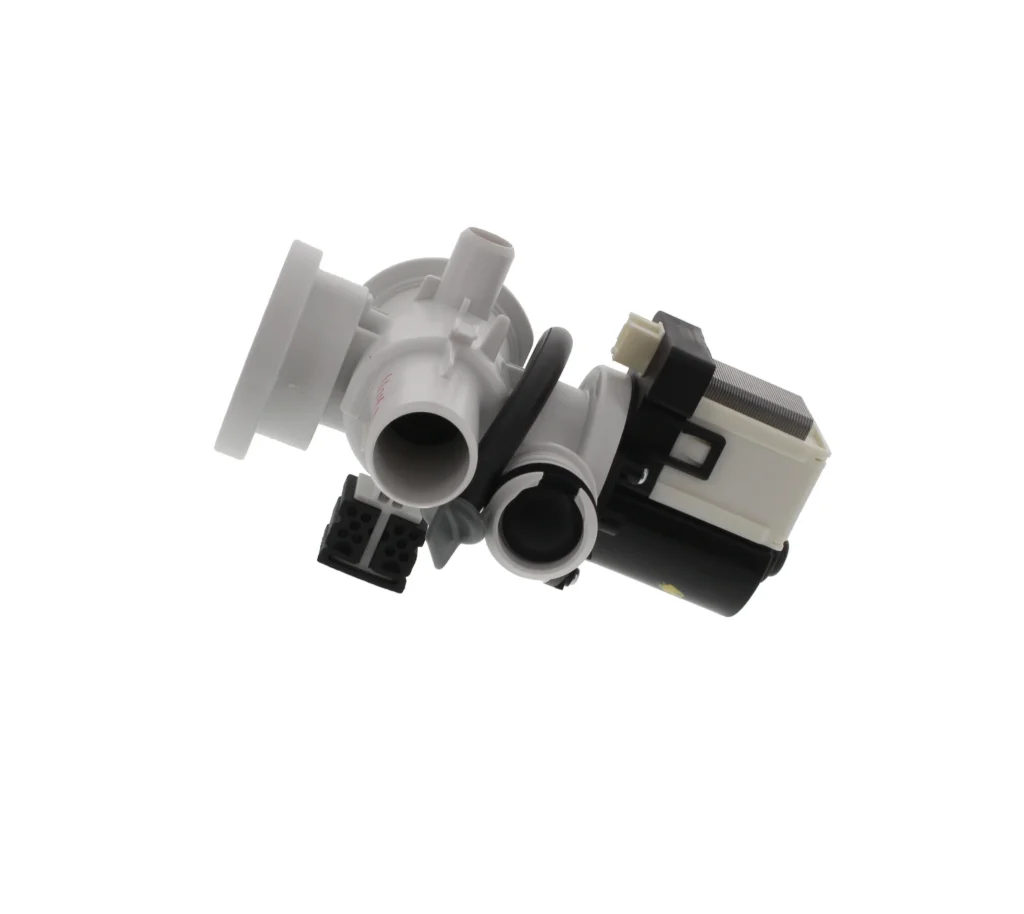
Most Samsung drain pumps like the DC96-01585D fail between year 3 and 5, but here's the thing — about 60% of those failures could've been prevented. The pump itself is built to last 8–10 years under ideal conditions, yet most homeowners replace them twice in that timeframe. The difference? What goes down your drain.
If you've got a WF210ANW, WF220ANW, WF501ANW, or any of the compatible Samsung and Kenmore models, you're dealing with a pump that moves roughly 15 gallons per minute during the drain cycle. That's a lot of water — and a lot of opportunity for debris to cause problems.
How Long Should It Last?
Under normal use, the DC96-01585D drain pump assembly should give you 7–10 years. But "normal use" is doing a lot of heavy lifting in that sentence. If you're washing pet bedding weekly, running loads with sand or dirt, or dealing with hard water, you're looking at 3–5 years instead.
The pump motor itself rarely fails on its own. What kills it is the impeller getting jammed or corroded, which forces the motor to work harder until it burns out. Once you hear that humming-but-not-draining sound, the damage is usually already done.
Temperature matters too. These pumps are designed for water temps up to 140°F, but consistently running hot cycles with heavy detergent buildup will shorten the lifespan. The seals deteriorate faster, and you'll start seeing leaks before complete failure.
Signs It's Wearing Out
The DC96-01585D doesn't fail overnight — it gives you warnings. Here's what to watch for, in order of severity:
Will Not Drain
This is the obvious one, but it's worth breaking down. If your Samsung or Kenmore washer won't drain, the pump's either completely jammed or the motor has failed. You'll hear one of two things: complete silence (motor's dead) or a humming sound (impeller's stuck). Before you order a new pump, check the drain hose for kinks and the filter for blockages — about 30% of "won't drain" calls are actually clogged filters, not bad pumps.
Slow or Incomplete Draining
This one's sneaky because the washer technically still works. If your cycle's taking an extra 5–10 minutes or you're finding standing water after the spin cycle, the impeller's partially blocked. Small items like coins, buttons, or hairpins get wedged in there and slow everything down. Catch this early, and you might save the pump. Ignore it, and the motor will overheat within a few months.
Unusual Grinding or Rattling Noise
A healthy DC96-01585D makes a steady whirring sound during the drain cycle. If you're hearing grinding, clicking, or rattling, something's caught in the impeller or the bearings are wearing out. This is your 30-day warning — the pump will fail soon, but it's still salvageable if you address it now.
Intermittent Draining Issues
One load drains fine, the next doesn't. This inconsistency points to debris that's moving around in the pump housing. It'll block the impeller during one cycle, then shift during the next. Eventually, it'll get stuck permanently, so don't wait for consistency — consistency means total failure.
What Actually Kills Drain Pumps Early
Let's be honest about the real culprits here. Lint is enemy number one. Every load sheds fibers that work their way past the filter and into the pump. Over time, they form a mat around the impeller that restricts movement. You can't eliminate lint entirely, but you can manage it.
Small objects are the second biggest problem. The WF210ANW and similar front-loaders are notorious for eating socks and coins. Check pockets before loading, and use mesh bags for small items. One bobby pin in the wrong place will jam the impeller every time.
Hard water deposits accumulate on the pump housing and impeller blades. If you've got hard water, you'll see chalky buildup around the pump inlet. This restricts water flow and puts extra strain on the motor. A water softener helps, but periodic descaling is still necessary.
When to Replace vs Maintain
Here's the decision framework: If the pump's making noise or draining slowly, maintenance will fix it. If it won't drain at all and you've ruled out hose/filter issues, replacement is likely your only option.
Age matters. If your DC96-01585D is under 5 years old and you catch issues early, maintenance is worth it. If it's 7+ years old and showing symptoms, just replace it — you're on borrowed time anyway, and the $166.99 investment will save you emergency service calls.
One exception: If you find a specific blockage causing the problem (like a coin stuck in the impeller), remove it and test the pump. If it runs quietly and drains normally afterward, you're good to go. But if the motor sounds strained or draining is still slow, the damage is done.
Frequently Asked Questions
How often should I clean the drain pump filter on my Samsung washer?
Every month for heavy use (10+ loads per week), every 2–3 months for normal use. The filter on models like the WF221ANG is accessed through the lower front panel. Unscrew it slowly over a towel — you'll get about a cup of water. Rinse the filter under hot water and check the pump opening for debris. This 5-minute task will add years to your pump's life.
Can I run my washer if the drain pump is making noise?
Short answer: no. Long answer: you can, but you're gambling with a flooded laundry room. A noisy pump means something's wrong with the impeller or bearings. Running it anyway will overheat the motor and potentially cause a leak. Stop using the washer, check for blockages, and either fix the issue or replace the pump. One emergency water cleanup costs more than three drain pumps.
Will using less detergent help my drain pump last longer?
Absolutely. High-efficiency washers like the WF501ANW need way less detergent than people think — usually 2 tablespoons max. Excess suds don't rinse out completely, and the residue builds up in the pump housing. It creates a sludge that restricts the impeller and traps debris. Switch to HE detergent if you haven't already, and use half what you think you need. Your pump (and your clothes) will thank you.
Element showing wear?
DC96-01585D · Replace before it fully fails