
How to Extend Your Samsung Water Inlet Valve Life — DC62-30314N Maintenance Guide
Always disconnect power and shut off water supply before any maintenance. Water and electricity don't mix — even "simple" maintenance can be dangerous if the washer is plugged in.
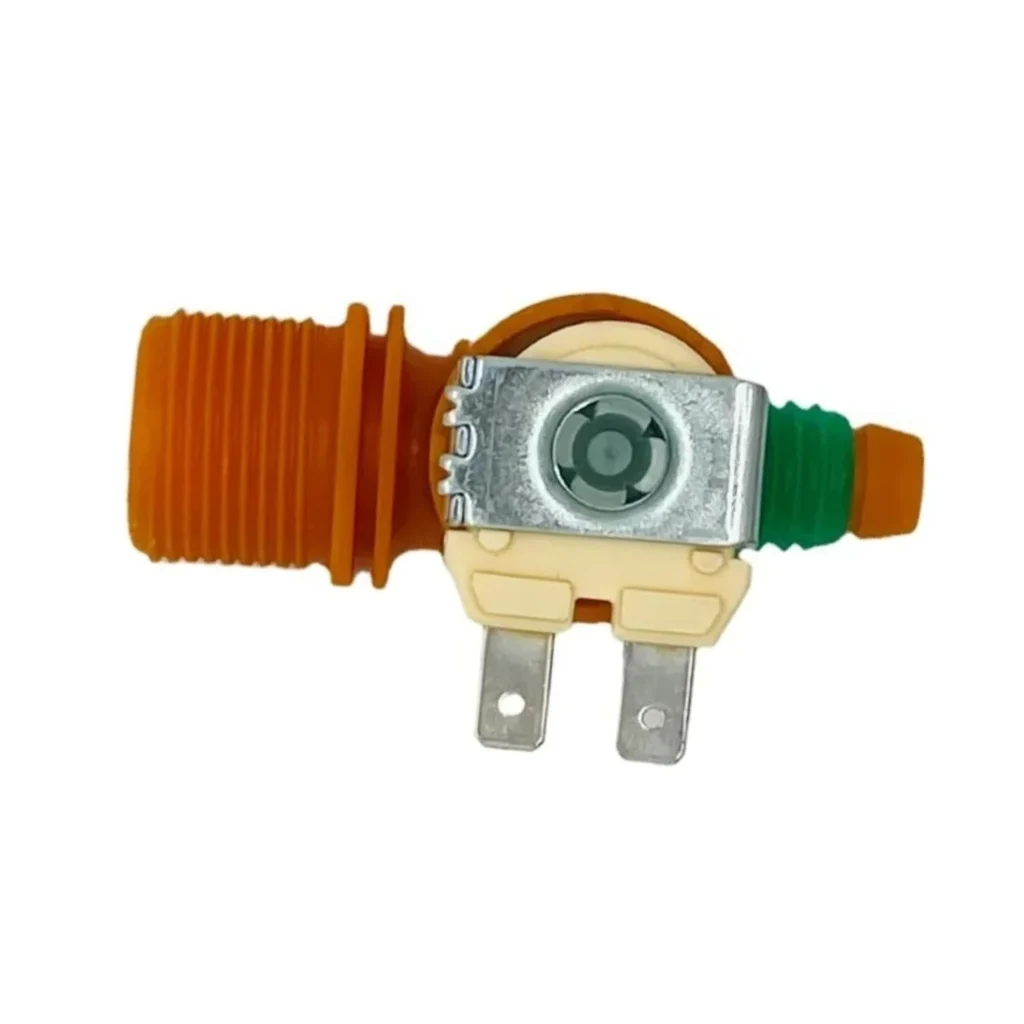
Most Samsung water inlet valves fail between 5-8 years, but I've seen the DC62-30314N last 12+ years with proper care. The difference? Simple maintenance habits that take maybe 10 minutes twice a year.
This valve controls water flow into your washer on models like the WA40J3000AW, WA45N3050AW, and WA44A3205AW. When it fails prematurely, it's usually because of something you could've prevented — mineral buildup, debris in the screens, or pressure damage from your home's water system.
How Long Should the DC62-30314N Last?
Under normal conditions, you're looking at 7-10 years. But "normal" assumes a few things: reasonably clean water, steady water pressure (40-80 PSI), and no repeated power surges hitting the solenoid coils.
What kills these valves early? Three things:
- Hard water deposits — Calcium and magnesium build up on the screens and valve seats, restricting flow and making the solenoid work harder
- Sediment damage — Sand, rust particles, or pipe scale wear down the rubber seals and score the valve seat
- Pressure spikes — If your home pressure exceeds 80 PSI, you're putting stress on the diaphragm every cycle
With maintenance, I've seen these valves push 12-15 years. It's about catching problems before they become failures.
Signs Your Valve Is Wearing Out
The DC62-30314N doesn't just quit — it gives you warnings. You've got to know what to look for.
Slow Fill Times
If your washer used to fill in 3-4 minutes and now it's taking 6-8, that's your first red flag. The screens are probably clogged, or mineral deposits are restricting flow through the valve body. Don't ignore this — restricted flow makes the solenoid run longer, which shortens its life.
Water Continues Trickling After Cycle
You close the lid, walk away, come back an hour later and there's water slowly seeping in. That's a failing valve seat or worn diaphragm. The rubber isn't sealing completely anymore. This one won't get better on its own — it'll only get worse until you've got a flooded laundry room.
Buzzing or Humming When Filling
Inlet valves should operate almost silently. If you're hearing a buzz or hum when water should be flowing, the solenoid coil is struggling — either from voltage issues, debris blocking the plunger, or internal corrosion. This is late-stage wear.
Uneven Water Temperature
Selected warm but getting cold? Or vice versa? The DC62-30314N has separate hot and cold solenoids. When one side starts failing, it won't open fully or won't open at all. You'll get temperature mixing problems before the valve quits completely.
Maintenance Schedule That Actually Works
Here's what I do on my own washer, and what I tell customers who want their parts to last:
Every 6 Months: Screen Cleaning
Turn off the water supply. Disconnect the inlet hoses from the back of your washer. You'll see small mesh screens in the valve inlets — pull them out carefully with needle-nose pliers. Rinse under running water, use an old toothbrush to scrub off any mineral buildup. If they're really caked, soak in white vinegar for 20 minutes first.
This single step prevents 80% of premature valve failures. I'm not exaggerating.
Annually: Check Your Water Pressure
Get a $15 pressure gauge from any hardware store. Screw it onto an outdoor faucet and turn on the water. You want 50-60 PSI. Anything over 80 PSI and you should install a pressure regulator — it'll save not just your inlet valve, but every water-using appliance in your house.
Annually: Inspect the Hose Connection Points
Look at where your hoses connect to the valve. Any white crusty buildup? That's minerals, and it means the same stuff is inside the valve. Any water stains? Could be a slow leak from worn rubber gaskets. Catching these early means you can maintain instead of replace.
When to Replace vs. Maintain
Be honest with yourself. If your valve is leaking, buzzing constantly, or won't open, maintenance won't save it. The DC62-30314N costs $85.99 — expensive enough that you want to maintain it, but not so expensive that you should waste hours trying to resurrect a dead valve.
Replace if:
- Water leaks from the valve body itself (not just the connections)
- Solenoid buzzes but water won't flow even with clean screens
- Valve is more than 10 years old and showing multiple symptoms
- You've already cleaned everything and problems persist
Maintain if:
- Slow fill is your only symptom
- Screens are visibly dirty
- Valve is under 7 years old
- No leaking, just performance issues
The Hard Water Problem
If you've got hard water — and you know if you do because your shower head clogs and your dishes have spots — you need to be more aggressive with maintenance. Consider installing an inline filter before the washer's inlet valve. A basic sediment filter runs $25-40 and will double your valve's lifespan.
Or go the whole-house water softener route if you're serious. Your inlet valves, dishwasher, shower heads, and water heater will all thank you.
What About Power Surges?
Solenoid coils hate voltage spikes. If you live in an area with frequent power fluctuations or lightning storms, the electrical side of your inlet valve is at risk. A whole-house surge protector helps, but honestly, that's probably overkill just for your washer. What matters more is the mechanical maintenance — keep the valve clean and free-flowing so the solenoid doesn't have to strain.
Frequently Asked Questions
How do I know if my inlet valve screens need cleaning?
If your fill time has increased by more than a minute or two, your screens need attention. You don't need to wait for a complete failure. Most Samsung washers on the WA40J, WA45N, and WA44A series should fill in 3-5 minutes on normal cycle. Anything longer means restricted flow, and 90% of the time that's dirty screens.
Can I clean the inside of the valve itself?
Not really, and you shouldn't try. The DC62-30314N isn't designed to be disassembled. Once mineral buildup gets inside the valve body around the seats and solenoid plungers, it's replacement time. This is why screen maintenance is so critical — it prevents debris from ever getting inside where you can't reach it.
Will a water softener really help my inlet valve last longer?
Absolutely. I've got customers in Phoenix and Las Vegas — brutal hard water areas — who were replacing inlet valves every 4-5 years. After installing softeners, they're getting 10+ years. The difference is dramatic. Even a basic inline filter will help if a whole-house system isn't in the budget.
Element showing wear?
DC62-30314N · Replace before it fully fails