
How to Extend Your Samsung Water Inlet Valve Life — DC62-00311C Maintenance Guide
Always disconnect power to the washer and turn off both hot and cold water supplies before performing any maintenance on the inlet valve. Water will drain from disconnected hoses.
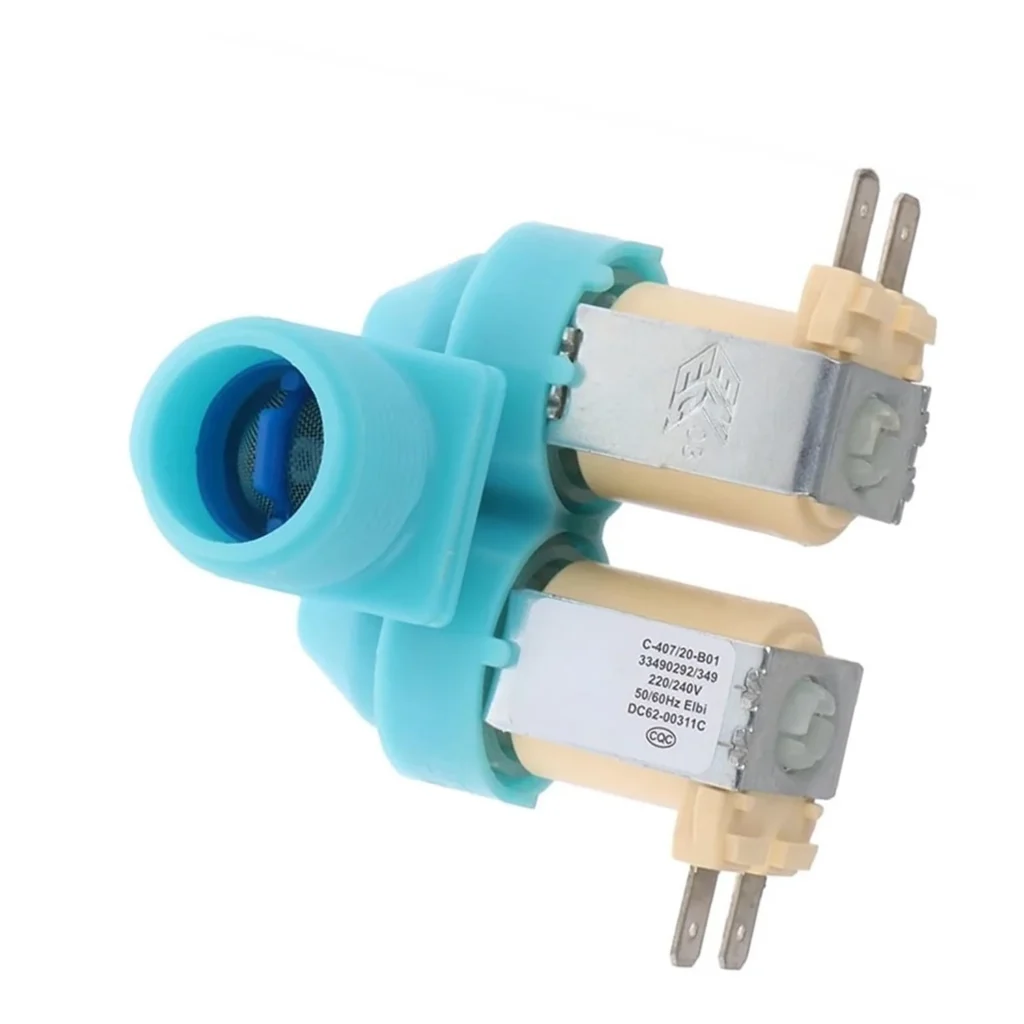
Most Samsung washer inlet valves should last 8-10 years, but mineral buildup and sediment can cut that lifespan in half. If you've got hard water running through your WA40J3000AW or WA45M3100AW, that DC62-00311C valve is fighting a losing battle every single wash cycle.
Here's what most people don't realize: the valve itself rarely fails on its own. It's the screens that clog, the solenoids that corrode, and the sediment that builds up behind the rubber seals. You can't see any of this happening until suddenly your washer won't fill, or it fills too slowly, or it just keeps filling and flooding your laundry room.
How Long Should a Samsung Inlet Valve Last?
In normal conditions with average water quality, the DC62-00311C should give you 8-10 years. That's what Samsung engineers designed it for. But "normal conditions" don't exist in most homes.
Hard water cuts that lifespan to 4-6 years. High sediment content? Maybe 3-4 years. If you're on well water with iron content, you're looking at even less. The calcium and magnesium in hard water form scale deposits on the valve seats, preventing them from sealing properly. Iron stains the screens and clogs the small passages inside the solenoid housing.
With proper maintenance, though, you can push that DC62-00311C to 12-15 years. I've seen valves last that long when owners actually clean the inlet screens and flush the valve periodically.
Signs Your Inlet Valve Is Wearing Out
Most inlet valve problems announce themselves before the valve completely fails. You just need to know what you're listening and looking for.
Slow Fill Time
If your WA45N3050AW used to fill in 3-4 minutes and now it's taking 8-10 minutes, that's your first warning. The screens behind the hose connections are clogging with sediment. Don't wait until it stops filling completely — that's when you're doing emergency laundry runs to the laundromat.
Buzzing or Humming During Fill
A healthy solenoid makes a quick click when it opens. If you're hearing a constant buzzing or humming sound while the washer's trying to fill, the solenoid coil is struggling. Either there's voltage problems (unlikely) or there's scale buildup preventing the plunger from moving freely (very likely).
Water Trickling After Cycle Ends
Stand next to your washer after it finishes. Hear water still trickling? That valve isn't closing all the way. Could be a worn rubber seal, could be debris stuck in the valve seat. Either way, you're wasting water and risking a flood if it gets worse.
Visible Corrosion or Mineral Buildup
Pull the washer out and look at the inlet valve where the hoses connect. See white crusty buildup? That's calcium carbonate. Green crusty buildup? Copper corrosion from your pipes. Brown staining? Iron. All of these are working their way inside the valve.
Maintenance Schedule That Actually Works
You don't need to be a fanatic about this, but you do need to be consistent.
Every Six Months: Clean the Inlet Screens
Turn off both water supplies to your washer. Disconnect both hoses from the back of the machine. You'll see a small mesh screen in each inlet port — that's what you're after. Use needle-nose pliers to carefully pull them out. Rinse under running water while scrubbing with an old toothbrush. If they're really caked up, soak them in white vinegar for 30 minutes first.
While you've got the hoses off, look inside the valve ports with a flashlight. See sediment or scale? Use a damp cloth wrapped around a screwdriver to wipe it out. Don't jam anything metal directly against the valve internals.
Annually: Descale the Valve
This one's easier than it sounds. Mix equal parts white vinegar and water in a bucket. Disconnect the inlet hoses. Using a small funnel, pour the vinegar solution into each inlet port — maybe half a cup per side. Let it sit for an hour. The acid breaks down mineral deposits you can't reach with a brush.
After an hour, reconnect your hoses and run a rinse cycle. The first fill will flush out the loosened scale. Your fill time should noticeably improve if buildup was the issue.
Check Hose Connections
While you're back there anyway, inspect where the supply hoses connect to the valve. Feel the rubber washers inside the hose fittings. If they're hard or cracked, replace them. A bad washer lets sediment bypass the screens entirely.
When to Replace vs Maintain
Sometimes maintenance isn't enough. Here's how to know when your DC62-00311C is actually done:
If you've cleaned the screens, descaled the valve, and your washer still takes forever to fill — or won't fill at all — the solenoid coil has probably failed. There's no fixing that. The coil is sealed inside the valve assembly.
If water leaks from anywhere on the valve body itself (not the hose connections, but the plastic housing), that's a crack or failed internal seal. Again, not repairable. The DC62-00311C is designed as a complete replacement unit.
If you're getting error codes on your WA44A3205AW or WA45T3200AW related to water fill — usually 4E or 4C on Samsung machines — and the screens are clean, the valve's internal flow sensor might be shot. That's another replace situation.
But if the valve's physically intact, it clicks when energized, and it just fills slowly, you can almost always save it with proper cleaning.
The Hard Water Problem
If you're in an area with genuinely hard water — we're talking 10+ grains per gallon — consider installing an inline sediment filter on your washer's cold water line. They're $15-20 at any hardware store and they catch particles before they reach your inlet valve screens.
Replace that filter cartridge every six months. It's cheaper than replacing the DC62-00311C every four years.
Some people install water softeners for their whole house. That works too, but it's overkill if your only concern is appliance longevity. A point-of-use filter just for the washer does the job.
Frequently Asked Questions
Can I Clean the Inlet Valve Without Disconnecting the Hoses?
Not effectively. You need to access the screens, and they're behind the hose connections. There's no way around disconnecting them. It takes five minutes — turn off the water, unscrew the hoses, clean the screens, reconnect. Don't try shortcuts that don't work.
How Do I Know If My Water Is Hard Enough to Worry About?
Look at your faucet aerators. If they've got white crusty buildup, you've got hard water. Check inside your kettle or coffee maker. Same thing. If you see scale deposits anywhere water sits, your inlet valve's seeing the same thing. Most municipal water departments publish hardness numbers on their websites, but the faucet test tells you everything you need to know.
Will Running Vinegar Through the Valve Damage the Rubber Seals?
No. Vinegar's acidic enough to dissolve mineral scale but not strong enough to attack rubber. I've been recommending this procedure for 20 years and I've never seen it cause seal damage. What does damage the seals is the scale buildup itself — it scores the rubber surface as the valve opens and closes, eventually causing leaks.
Element showing wear?
DC62-00311C · Replace before it fully fails