
How to Extend Your Samsung Water Inlet Valve Life — Maintenance Guide
Always turn off both hot and cold water supply valves before disconnecting hoses. Have towels ready for residual water. Never force screens back into inlet ports — they should slide in easily.
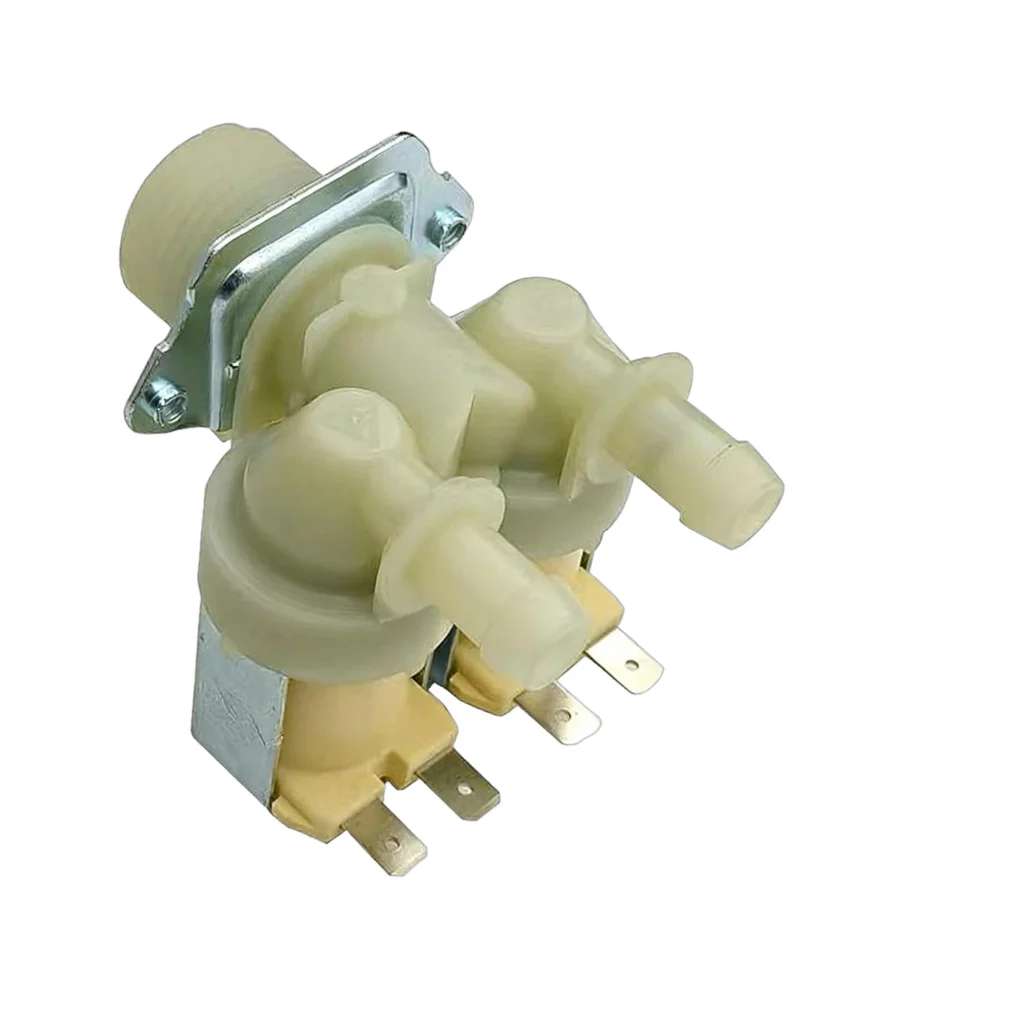
Most Samsung water inlet valves fail between 5-7 years, but I've seen plenty last less than three. The DC62-00024F (replaces AP4211912, PS4208591, 3992185) controls every drop of water entering your washer — and it's working harder than you think. Every load cycle means the valve opens and closes multiple times, and the sediment in your water supply is slowly destroying it from the inside.
Here's what most people don't realize: you can double the lifespan of this valve with about 10 minutes of maintenance twice a year. I'll show you exactly what to check and when to stop maintaining and just replace it.
How Long Should It Last?
Under normal conditions, the DC62-00024F valve should give you 7-10 years of reliable service. But "normal" is doing a lot of work in that sentence. If you've got hard water, mineral buildup starts clogging the screens within the first year. If your home's water pressure runs above 80 PSI, you're putting constant stress on the solenoid coils.
The valve contains two separate solenoids — one for hot water, one for cold. Each solenoid has a rubber diaphragm that flexes every time the valve opens. That's 3-6 flexes per wash cycle, multiplied by 300+ loads per year. You're looking at thousands of open-close cycles annually.
Temperature extremes matter too. If your washer sits in an unheated garage or basement where temps drop below freezing, any residual water in the valve can freeze and crack the housing. Once that happens, you're done — no amount of maintenance will fix a cracked valve body.
Signs It's Wearing Out
The valve doesn't just fail overnight. It gives you warnings, if you know what to listen for. Pay attention to these specific indicators:
Water Keeps Running After Fill Cycle Ends
You'll hear it before you see it — a faint hissing sound that shouldn't be there. The valve's diaphragm is degrading and can't seal completely anymore. Water trickles into the drum constantly, which means your washer never thinks the tub is full. Your load times get longer, and your water bill climbs. This is the most common failure mode I see with the DC62-00024F.
Washer Won't Fill At All
You start a cycle, hear the initial click, then... nothing. The solenoid coil has burned out or the internal screens are completely blocked with sediment. Sometimes only the hot OR cold side fails — you'll notice the washer tries to fill but takes forever because it's only getting water from one inlet.
Visible Water Leaking From Inlet Connections
Check behind the washer where the fill hoses connect to the valve. If you see water dripping or mineral deposits (white crusty buildup), the valve's inlet threads or internal seals are deteriorating. This usually happens on the hot water side first because heat accelerates rubber seal breakdown.
Humming or Buzzing When Valve Should Open
That's the solenoid trying and failing to pull the plunger open. Could be voltage issues, but more often it's mineral buildup preventing the plunger from moving freely. The coil draws current, heats up, and eventually burns out if you ignore this symptom.
Essential Maintenance Schedule
The key to valve longevity is keeping those inlet screens clean and monitoring water pressure. Here's what actually works:
Every 6 Months: Screen Cleaning
Turn off both hot and cold water supply valves. Disconnect the fill hoses from the back of the washer (have a towel ready — water will drip out). You'll see small mesh screens inside each inlet port on the valve. Use needle-nose pliers to carefully pull them out. Rinse under running water and use an old toothbrush to scrub away sediment. If the screens are damaged or have holes, replace them — they're cheap insurance.
While the hoses are off, inspect the rubber washers inside the hose couplings. If they're compressed flat or cracked, replace them. A 50-cent washer can prevent a flood.
Annually: Pressure Check
High water pressure kills inlet valves faster than anything else. Get a pressure gauge (under $10 at any hardware store) and check your home's water pressure at an outdoor spigot. It should read between 40-60 PSI. Anything over 80 PSI and you need a pressure regulator installed on your main water line. This protects not just your washer valve, but every appliance in your home.
After Every Load: Listen
I know this sounds excessive, but just pause for 5 seconds when a load starts. You should hear a solid click when the valve opens, then consistent water flow. No humming, no buzzing, no hissing after the fill stops. If you hear anything unusual, investigate immediately. Early detection prevents water damage.
When to Replace vs Maintain
Here's the honest truth: some failures can't be maintained away. If you've got a valve that's humming constantly or leaking from the body itself (not the hose connections), stop wasting time on maintenance. The DC62-00024F costs less than a service call, and replacement takes about 20 minutes.
Replace immediately if you see:
- Cracks in the plastic valve housing
- Burn marks or melted plastic around the electrical connector
- Water leaking from anywhere except the hose connection points
- One side working intermittently despite clean screens
- The valve has been in service for more than 8 years
Keep maintaining if:
- The valve works consistently with clean screens
- No physical damage is visible
- You're willing to do the 6-month maintenance routine
- Your water pressure is under 70 PSI
One trick I use: keep a spare valve on hand. The DC62-00024F fits dozens of Samsung models (WF1752WPC, WF1804WPC, WF7700N6W, WF8750LSW, and many more). When your current valve starts showing symptoms, you can swap it quickly instead of waiting days for shipping while water pools on your laundry room floor.
Frequently Asked Questions
Can I clean a valve that's already failing?
If it's just sediment blocking the screens, yes — that's completely reversible. But if the solenoid coil is burned out or the rubber diaphragm is torn, no amount of cleaning will help. The valve's internal components aren't serviceable. Clean the screens first as a diagnostic step. If that doesn't fix the problem, you're looking at replacement.
Will a water softener help my inlet valve last longer?
Absolutely. Hard water is the number one valve killer. The minerals in hard water build up on the screens, inside the valve body, and on the diaphragm surfaces. A whole-house water softener removes those minerals before they reach your washer. I've seen valves in homes with softeners last 12-15 years. If you can't do a whole-house system, at least install an inline filter on your washer's water supply lines.
My valve works fine but looks dirty — should I replace it anyway?
External dirt doesn't matter. What matters is what's happening inside the valve and at those inlet screens. If the valve opens and closes cleanly, fills at normal speed, and doesn't leak, there's no reason to replace it just because it looks old. Clean the screens, check for leaks, and keep using it. Don't fix what isn't broken — but do stay alert for the symptoms I described above.
Element showing wear?
DC62-00024F · Replace before it fully fails