
How to Extend Your Samsung Water Inlet Valve Life — DA62-00914A Maintenance Guide
Always disconnect power and shut off water supply before maintenance. Pressure test connections after reassembly — even a slow drip can cause significant water damage over time.
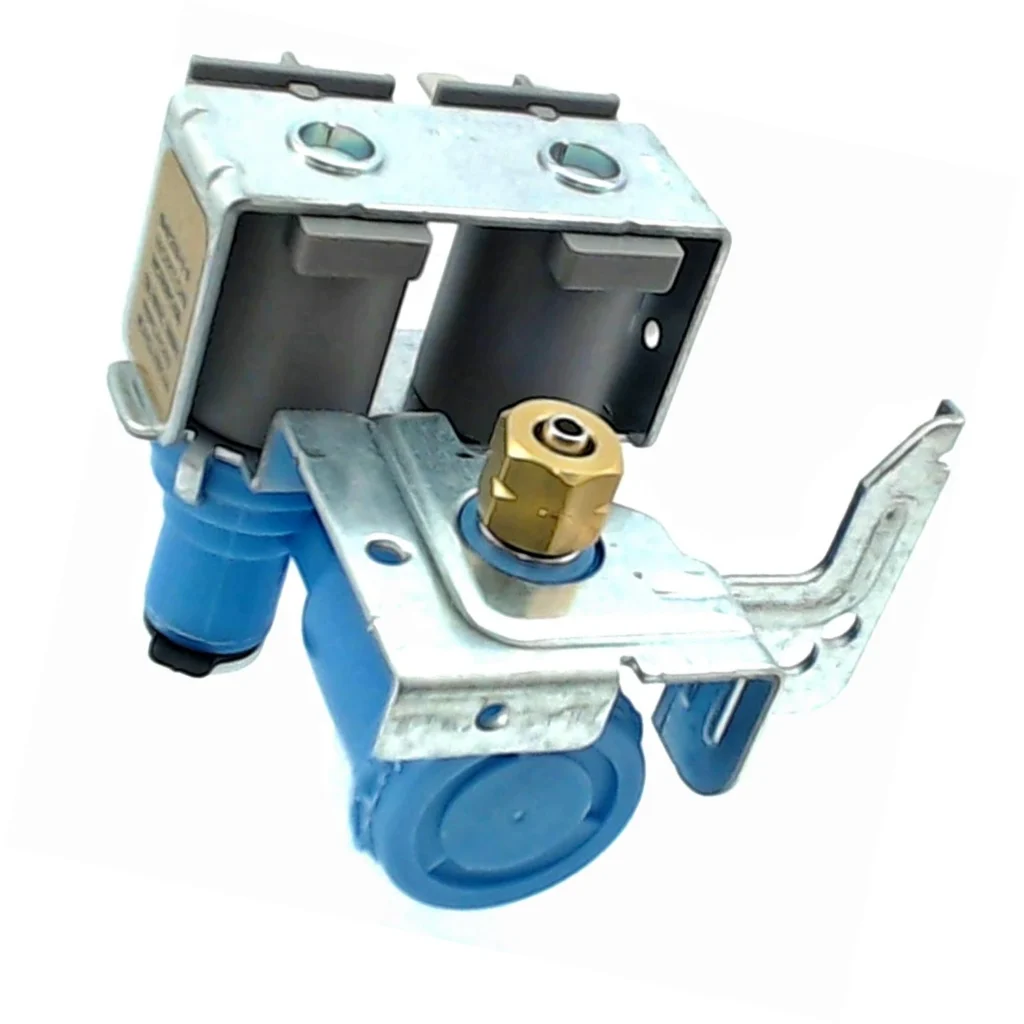
Most Samsung dual water inlet valves fail around the 5-year mark, but I've seen them last 8+ years when properly maintained. The DA62-00914A typically dies from mineral buildup or internal solenoid wear — both of which you can dramatically slow down with quarterly attention.
This valve controls both your ice maker and water dispenser on models like the RF26DBUS1, RS21DANS1, and RM25KGRS1. When it starts failing, you'll notice slow ice production first, then eventually no water flow at all. But here's what most people don't realize: the valve itself rarely fails catastrophically. It degrades gradually, giving you months of warning signs if you know what to watch for.
How Long Should It Last?
Samsung rates the DA62-00914A for about 50,000 cycles. In a typical household, that's:
- Ice maker cycles: 6-8 times daily
- Water dispenser use: 3-5 times daily
- Expected lifespan: 4-6 years under normal use
But water quality matters more than cycle count. Hard water can cut that lifespan in half. I've replaced valves after just 2 years in homes with untreated well water, while valves in homes with whole-house filtration regularly hit 8+ years.
The dual-solenoid design in this valve means you've got two potential failure points. Usually one side fails first — you'll lose either ice production or dispenser water, but not both simultaneously.
Signs It's Wearing Out
The valve doesn't just quit overnight. It gives you plenty of warning if you're paying attention:
Slow Fill Times
Ice maker takes noticeably longer to complete a cycle, or filling a glass takes 50% longer than it used to. This indicates mineral deposits restricting flow through the valve screens. If you used to fill a 16oz glass in 15 seconds and now it takes 25, the valve's working harder than it should.
Intermittent Water Flow
Water dispenses in spurts rather than a steady stream, or the ice maker produces inconsistent cube sizes. This usually means the solenoid coil is weakening and can't hold full open position consistently. You'll hear a buzzing sound when this happens — the coil vibrating as it struggles.
Continuous Humming from Behind the Fridge
A faint electrical hum that wasn't there before means the solenoid's drawing more current to do the same job. The coil windings are developing resistance from heat cycling over the years. This is your 3-6 month warning that replacement's coming.
Small Water Puddles Inside the Fridge
Check below the valve mounting location inside the refrigerator compartment. A slow drip means the internal seal's degrading. This isn't catastrophic yet, but it'll get worse. I've seen these leaks increase from 2-3 drops per day to constant dripping within a month once they start.
Maintenance Schedule That Actually Works
Every 3 months: Shut off the water supply and disconnect the inlet line. Hold the valve under running water and backflush it for 30 seconds. You'd be amazed what comes out — orange sediment, white calcium flakes, even small particles of rubber from deteriorating supply hoses. Reconnect and run 2 gallons through the dispenser to flush the system.
Every 6 months: Inspect the inlet screens inside the threaded connection. These fine mesh screens catch debris before it reaches the solenoids. Use needle-nose pliers to carefully remove them, soak in white vinegar for 20 minutes, then rinse thoroughly. If they're crushed or torn, replace them — they're cheap insurance.
Annually: Check the valve mounting screws. Vibration from the compressor can loosen them over time, and a loose valve stresses the water connections. Also inspect the wire harness connector for corrosion. The valve compartment gets condensation, and corroded terminals increase resistance, forcing the solenoid to work harder.
Water Quality Makes or Breaks Longevity
If your water has more than 7 grains of hardness, you're fighting a losing battle without treatment. Install an inline filter on the refrigerator supply line — not the cheap screw-on type, but a proper filter housing with replaceable cartridges. Change it every 6 months or 300 gallons, whichever comes first.
Well water users should test for iron and manganese. Even 0.3 ppm iron will build up orange scale inside the valve within 2 years. A sediment pre-filter before the main cartridge helps tremendously in these situations.
When to Replace vs Maintain
Here's the honest decision framework: if the valve's under 4 years old and showing slow fill symptoms, maintenance usually buys you another 1-2 years. Clean the screens, flush the system, maybe replace the supply line if it's old.
But if you're past 6 years and hearing electrical humming, you're in borrowed time territory. The solenoid coils don't regenerate. You can maintain the mechanical parts all day long, but electrical components have a lifespan. At $55.99, the DA62-00914A is cheap enough that replacing it before it fails catastrophically makes sense. A failed valve can leak for hours before you notice, and water damage costs way more than preventive replacement.
The other consideration: if you've already got the valve out for maintenance and it's over 5 years old, just replace it. You're 80% of the way through the labor already. I've had customers do heroic maintenance at year 6, then call me 8 months later for a replacement anyway.
The Mineral Buildup Problem Nobody Talks About
Calcium doesn't just restrict flow — it electrically insulates the solenoid plunger. The plunger needs to make solid magnetic contact with the coil housing to operate efficiently. When minerals coat the plunger, the magnetic field has to work through that insulating layer, generating extra heat and drawing more current. This accelerates the coil's demise.
That's why descaling is more important than people realize. A quarterly vinegar flush isn't just about flow rate — it's about electrical efficiency. Mix 50/50 white vinegar and water, disconnect the outlet side of the valve, and let it soak for 30 minutes. The electrical components are sealed, so you won't damage anything.
Frequently Asked Questions
Can I just replace the screens instead of the whole valve?
Yes, but only if that's definitively your problem. If you've got good water pressure, the screens look terrible, and the valve's under 4 years old, new screens might work. But if the symptoms persist after cleaning, you're looking at internal wear. Don't throw good money after bad — the valve's only $55.99, while troubleshooting time costs you way more in frustration.
Will a water softener eliminate all maintenance?
Not entirely, but it helps dramatically. Softened water eliminates calcium and magnesium buildup, which is 90% of the problem. You'll still get sediment and need to change filters, but the valve itself will last significantly longer. I've got customers with softeners getting 10+ years from these valves. The trade-off is you need to maintain the softener itself, but that's generally easier than dealing with hard water damage throughout your whole house.
What if only the ice maker stops working but the dispenser still works fine?
That's the first solenoid failing while the second still functions. You can limp along like this for months, but the working solenoid's now handling increased pressure differential, which accelerates its wear. I'd give it 3-6 months before the second side goes. Order the valve now while you have time to install it properly, rather than emergency-ordering it when you've got no water at all.
Element showing wear?
DA62-00914A · Replace before it fully fails