
How to Extend Your Whirlpool Dishwasher Upper Rack Wheel Life — Maintenance Guide
Never force a stuck dishwasher rack. If wheels aren't rolling freely, pull the rack out completely and identify the obstruction before continuing.
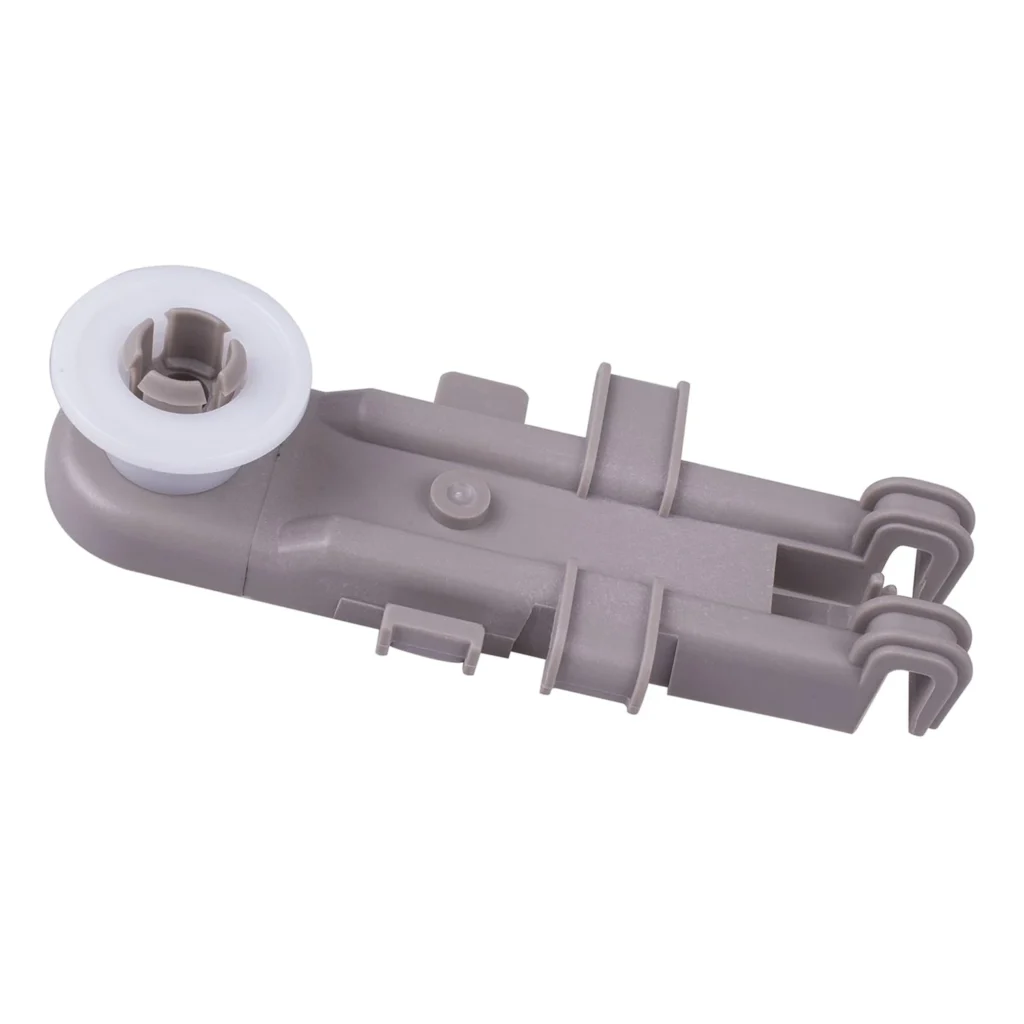
Here's something most people don't realize: those little plastic wheels on your dishwasher's upper rack should last 8–10 years, but in reality, most fail around the 4–5 year mark. The difference? A few simple maintenance habits that take maybe 30 seconds per month.
I've replaced hundreds of these wheel assemblies (part 8268743) on Whirlpool, KitchenAid, and Kenmore dishwashers — models like the GU2200XTSB series, GU3200XTSS series, and countless others. Most of the time, the failure wasn't from a manufacturing defect. It was from dish tines jamming into the wheels, hard water buildup locking them in place, or people forcing stuck racks instead of figuring out why they were stuck.
How Long Should These Wheels Last?
Under normal conditions, your upper rack wheel mounts should handle 2,500–3,000 load cycles. That's roughly 8–10 years for most households running one load per day. But here's what actually affects that lifespan:
- Water hardness: Hard water deposits build up around the wheel axle, creating friction that wears down the plastic
- Loading habits: Tall items that hit the wheels during the wash cycle cause stress cracks
- Detergent residue: Some detergents leave a sticky film that gums up the wheel mechanism
- Forcing stuck racks: When a rack catches on something, yanking it damages the wheel mount
The wheels themselves are small — just heavy-duty plastic rollers on a metal axle mount. They seem indestructible until they're not. Once the plastic develops a crack or the axle gets bent, the whole assembly needs replacement.
Signs Your Wheels Are Wearing Out
Don't wait for complete failure. Catching these early saves you from a stuck rack mid-cycle with a dishwasher full of dirty dishes.
Rack Not Sliding Smoothly In and Out
This is the first sign. Your upper rack used to glide effortlessly, now it catches or requires extra force to push back in. Run your finger along the track rails — if you feel resistance or hear clicking sounds, the wheels aren't rolling freely anymore. Sometimes it's just buildup, but often one wheel has developed a flat spot or crack that's causing it to drag instead of roll.
Visible Cracks or Chips in the Wheel Plastic
Pull out your upper rack completely and flip it over. Look at each wheel mount closely. You're checking for hairline cracks radiating from the center axle hole, chips along the wheel edge, or any separation between the wheel and the mount bracket. These cracks start small but propagate quickly once the structural integrity is compromised.
Rack Sits Crooked or Tilts to One Side
When one wheel mount fails or comes loose, the rack loses level support. You'll notice dishes leaning more than usual, or water pooling on one side of plates. If a wheel has completely broken off its mount, the rack will drag metal-on-metal against the rails — you'll definitely hear that.
Unusual Burning Smell During Wash Cycle
This one surprises people, but it's real. When a wheel seizes up completely and the rack motor tries to move it anyway, the friction between plastic and metal can generate enough heat to create a burning smell. It won't catch fire, but it's your dishwasher telling you something's seriously wrong. This happens when buildup has completely locked a wheel in place.
Monthly Maintenance Checklist (Takes 2 Minutes)
Here's what actually works to extend wheel life. I don't give customers theoretical advice — this is what I do on my own dishwasher.
Every month: Pull the upper rack completely out. Wipe down each wheel with a damp cloth to remove any detergent film or mineral deposits. Spin each wheel with your finger — they should rotate freely without resistance. If one feels sticky, that's your early warning.
Every three months: Remove any visible hard water buildup around the wheel axles using a toothbrush dipped in white vinegar. Let it sit for a minute, then scrub gently. Rinse thoroughly. Check that the wheel mount brackets are still firmly attached to the rack frame — they shouldn't wiggle.
After loading oversized items: Before starting the cycle, manually slide the rack in and out once to make sure nothing's hitting the wheels. Tall baking sheets and cutting boards are common culprits. If the rack catches, adjust your load.
When to Replace vs. Maintain
Be honest with yourself here. If a wheel has visible cracks, is chipped, or doesn't spin freely even after cleaning, you're past the maintenance phase. The part costs $26.99 — trying to nurse along damaged wheels for another few months isn't worth the risk of them failing mid-cycle and potentially jamming your dishwasher.
On the other hand, if your wheels just have some buildup but are structurally sound, maintenance will buy you years of additional life. The key is catching problems early when cleaning still helps.
One more thing: if you're already replacing wheels on models like the GU2200XTSQ or GU3200XTSB series, consider doing all four wheel mounts at once if they're the original parts. They've all experienced the same conditions and wear patterns. Replacing one now and another in six months means twice the hassle.
Frequently Asked Questions
Can I Lubricate the Wheel Axles?
No. Don't use WD-40, cooking oil, or any lubricant on dishwasher rack wheels. These products attract detergent residue and create a gummy mess that actually makes things worse. The wheels are designed to run dry. If they're not spinning freely when clean and dry, they need replacement, not lubrication.
Why Does My Rack Keep Getting Harder to Slide Even After I Clean the Wheels?
Check the metal rails that the wheels ride on. Hard water deposits can build up in the tracks themselves, creating resistance. Also inspect the rack's side rails for any warping or damage. Sometimes the problem isn't the wheels at all — it's the track they're rolling on. A bent track will bind even perfect wheels.
How Do I Know If My Dishwasher Has Hard Water Issues?
Look inside your dishwasher at the walls and the heating element. White, chalky deposits are mineral buildup from hard water. If you see this, you're dealing with conditions that will accelerate wheel wear. Running a dishwasher cleaner monthly and wiping down wheels more frequently will help, but you might also want to consider a water softener if the problem is severe.
Element showing wear?
8268743 · Replace before it fully fails