
How to Extend Your Dishwasher Water Inlet Valve Life — Maintenance Guide
Always shut off water supply before disconnecting or servicing the inlet valve to prevent flooding
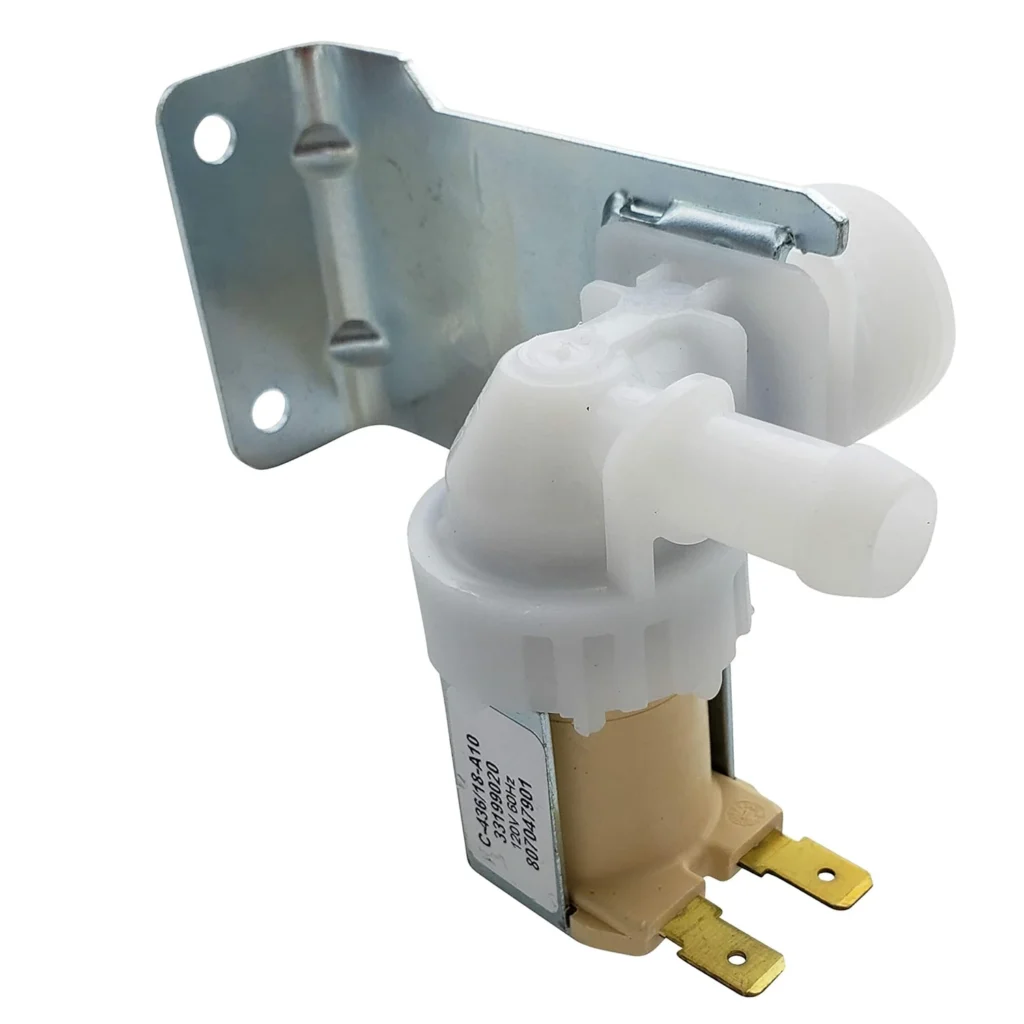
Most dishwasher water inlet valves should last 8-10 years, but if you're dealing with hard water, that number drops to 4-6 years. The white sediment buildup one user mentioned in their review? That's calcium carbonate from hard water, and it's the #1 killer of inlet valves. Here's how to keep your 807047901 valve running longer and avoid that frustrating "dishwasher won't fill" moment.
How Long Should It Last?
A quality water inlet valve like the 807047901 (which fits models like FGID2466QF5A, FGID2466QF4A, and dozens of other Frigidaire, Electrolux, and Kenmore dishwashers) typically lasts 8-10 years under normal conditions. But "normal" is doing a lot of work in that sentence.
What affects lifespan:
- Water hardness — Hard water cuts valve life in half. Those mineral deposits clog the solenoid screen and valve ports.
- Water pressure — Pressure above 120 PSI stresses the valve diaphragm. Below 20 PSI and it won't seal properly.
- Usage frequency — Running your dishwasher daily means 365 open-close cycles per year. That's normal wear.
- Installation quality — Cross-threaded connections or over-tightened fittings create stress points that fail early.
With proper maintenance, you can push that 8-10 years closer to 12.
Signs It's Wearing Out
The valve doesn't fail all at once. It gives you warnings.
Dishwasher Not Filling Properly
If your dishwasher takes forever to fill or doesn't fill at all, the valve screen is probably clogged. You'll hear the valve buzzing or humming, but no water flows. That's sediment blocking the inlet. One repair tech pulled a valve that had a solid chunk of white calcium buildup completely blocking the screen — it looked like a tiny stalactite.
Leaks at the Valve Connection
Small drips around the valve connections aren't normal. The rubber washers inside degrade over time, especially if you've got chlorinated water. A slow leak today becomes a kitchen flood tomorrow. Check the floor under your dishwasher monthly — if it's damp, trace it back to the valve.
Intermittent Filling Issues
Sometimes it fills, sometimes it doesn't. That's the solenoid starting to fail. The electrical coil inside weakens, and it can't consistently open the valve. This is often heat-related — if the dishwasher's been running hot cycles, the valve gets hot too.
Preventive Maintenance Schedule
Most people never think about their inlet valve until it fails. Don't be most people.
Every 6 months: Shut off the water supply, disconnect the inlet hose, and inspect the valve screen. Use an old toothbrush and white vinegar to clean off any visible sediment. Takes five minutes.
Annually: Check the electrical connections. Corrosion on the solenoid terminals causes intermittent operation. Spray with contact cleaner if needed.
If you have hard water: Install a water softener or at minimum a sediment filter on your dishwasher's supply line. This one change can double your valve's life. A $15 inline filter beats a $50 valve replacement.
When to Replace vs Maintain
Here's the honest truth: if your valve is leaking from the body (not just the connections), replace it. Valve bodies don't seal once they crack. And if you've already cleaned the screen twice and it's still clogging every few months, the internal passages are probably scaled up. At that point, you're fighting a losing battle.
But if it's just slow filling and you catch it early, a good cleaning often buys you another year or two. As one user noted, their replacement "only took about 10 minutes" — so even replacement isn't a huge project.
The math: spending 10 minutes every six months on prevention beats spending 20 minutes on an emergency replacement when you've got a kitchen full of dirty dishes.
Frequently Asked Questions
Can I clean the valve without removing it?
Not really. You need to disconnect the inlet hose to access the screen properly. But the good news is that only requires shutting off the water valve under your sink and loosening one hose clamp with pliers. The whole job takes less time than loading the dishwasher.
Will a water softener eliminate all maintenance?
It'll dramatically reduce sediment buildup, but you should still inspect the valve annually. Softeners remove calcium and magnesium, but they don't catch rust particles from old pipes or debris from municipal water line work. A quick visual check once a year catches those issues early.
My valve hums but doesn't open — is it clogged or broken?
Could be either. If the solenoid hums, it's getting power. First, clean the screen — that fixes 70% of no-fill issues. If it still hums and doesn't open after cleaning, the solenoid coil or diaphragm has failed. Time for that 807047901 replacement.
Element showing wear?
807047901 · Replace before it fully fails