
How to Extend Your LG Washer Hall Sensor Life — 6501KW2002B Maintenance Guide
Always unplug the washer before accessing internal components. Do not operate the washer with the back panel removed unless troubleshooting — exposed electrical connections and moving parts pose serious injury risk.
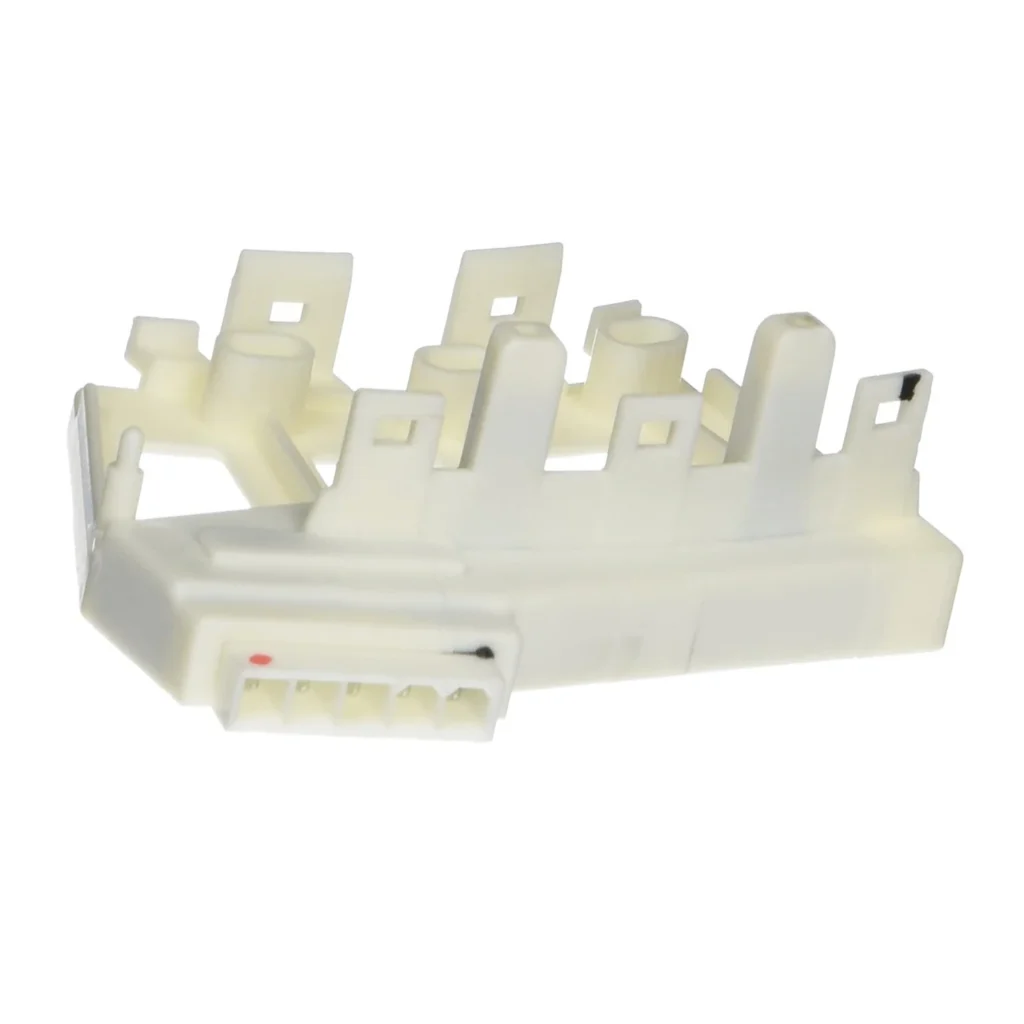
Most LG washer hall sensors should last 8–10 years, but I see them fail around year 5 or 6 all the time. Why? Because nobody thinks about them until that LE error code shows up and the washer refuses to spin. The good news: a little preventive care can double this sensor's lifespan, and it takes maybe 15 minutes twice a year.
How Long Should It Last?
The rotor position sensor (hall sensor) on LG washers like the WM2016CW, WM3170CW, and WM3370HWA is designed to track motor rotation for 10+ years. But here's what actually affects its lifespan:
- Vibration damage: If your washer rocks during spin cycles, the constant movement wears the sensor's mounting points and internal components faster.
- Moisture exposure: This sensor sits right behind the drum where condensation can accumulate. Water + electronics = problems.
- Dust and lint buildup: Lint that works its way to the motor area creates an insulating layer that traps heat, degrading the sensor's electronics over time.
- Electrical surges: Power fluctuations can damage the sensor's circuitry without showing immediate symptoms.
With regular checks and cleaning, you can push this sensor well past the 10-year mark. Without maintenance? Expect replacement around year 5–6.
Signs It's Wearing Out
The hall sensor doesn't just die overnight. It gives you warning signs weeks or even months before complete failure. Here's what to watch for:
LE Error Code Appearing Intermittently
This is your first clue. If you're getting an LE error code that clears when you restart the cycle, the sensor is struggling to maintain consistent communication with the control board. It's not dead yet, but it's declining. One user told me: "I got the LE code three times over two weeks, then it worked fine for a month, then failed completely."
Washer Won't Spin (But Everything Else Works)
The drum fills, agitates during wash, drains properly — then just sits there during spin cycle. This happens because the sensor can't tell the control board where the rotor is positioned, so the board won't risk starting a high-speed spin. As one DIYer reported: "After installing the Hall position sensor the drum still did not turn. I turned on the washer, selected high speed spin and with the back open I carefully moved the drum several inches until the hall switch sensor made an electrical 'click' and the drum then began to function properly."
Loud Noises During Spin Cycle
When the hall sensor provides inconsistent readings, the motor can try to compensate by forcing the rotor into position. This creates grinding or clicking sounds you don't normally hear. It's the motor fighting against uncertain position data.
When to Replace vs Maintain
Here's the honest framework: If you're already seeing symptoms, maintenance won't fix it — you need replacement. The hall sensor is an electronic component, not a mechanical one you can clean back to health.
But if your washer is 3+ years old and still running fine, preventive maintenance makes total sense. You're looking to:
- Keep the sensor dry and cool
- Prevent vibration damage to mounting points
- Catch early signs before they become failures
One guy told me he replaced the sensor himself for $21 after watching a video: "I am not a mechanical person by any stretch of the imagination, but I pulled out the washing machine, took off the back, and replaced the switch in 25 minutes — and the washing machine is working perfectly." That's about what you'd spend on preventive supplies over three years anyway.
If your washer is under 3 years old and working perfectly, focus on the basics: keep it level, don't overload it, and check behind it once a year.
Frequently Asked Questions
Can I clean the hall sensor to make it work again?
No. Once it's failing and throwing LE codes, the electronic components inside are damaged. You can't restore conductivity or repair the hall effect circuitry with cleaning. Replace it — the part costs $20–25 and takes about an hour to install. You'll need a 17 mm socket for the main bolt (not 15 mm like some videos say), and apply blue medium-strength Loctite when you reassemble. Have someone hold the drum from inside so it doesn't spin while you're working.
Will an unbalanced load damage the hall sensor?
Indirectly, yes. Chronic imbalance causes excessive vibration, which loosens the sensor's mounting over time and can crack solder joints on the circuit board inside. If your washer walks across the floor during spin cycles, you're shortening the sensor's life. Level the machine and distribute loads evenly — it's the cheapest insurance you've got.
How do I know if it's the hall sensor or something else causing LE errors?
The LE code specifically means the motor can't reach proper speed — that's either the hall sensor, the stator, or the rotor itself. If the drum spins freely by hand when empty (no grinding or resistance), the rotor and bearings are probably fine. If you're getting consistent LE codes and nothing else is obviously wrong, the hall sensor is the most common culprit on LG washers like the WM2077CW, WM2455HW, and WM2688HNM. It fails way more often than the stator does.
Element showing wear?
6501KW2002A · Replace before it fully fails