
How to Extend Your Frigidaire Ice Maker Life — Maintenance Guide
Always disconnect power before cleaning or servicing ice maker components. Water and electricity don't mix.
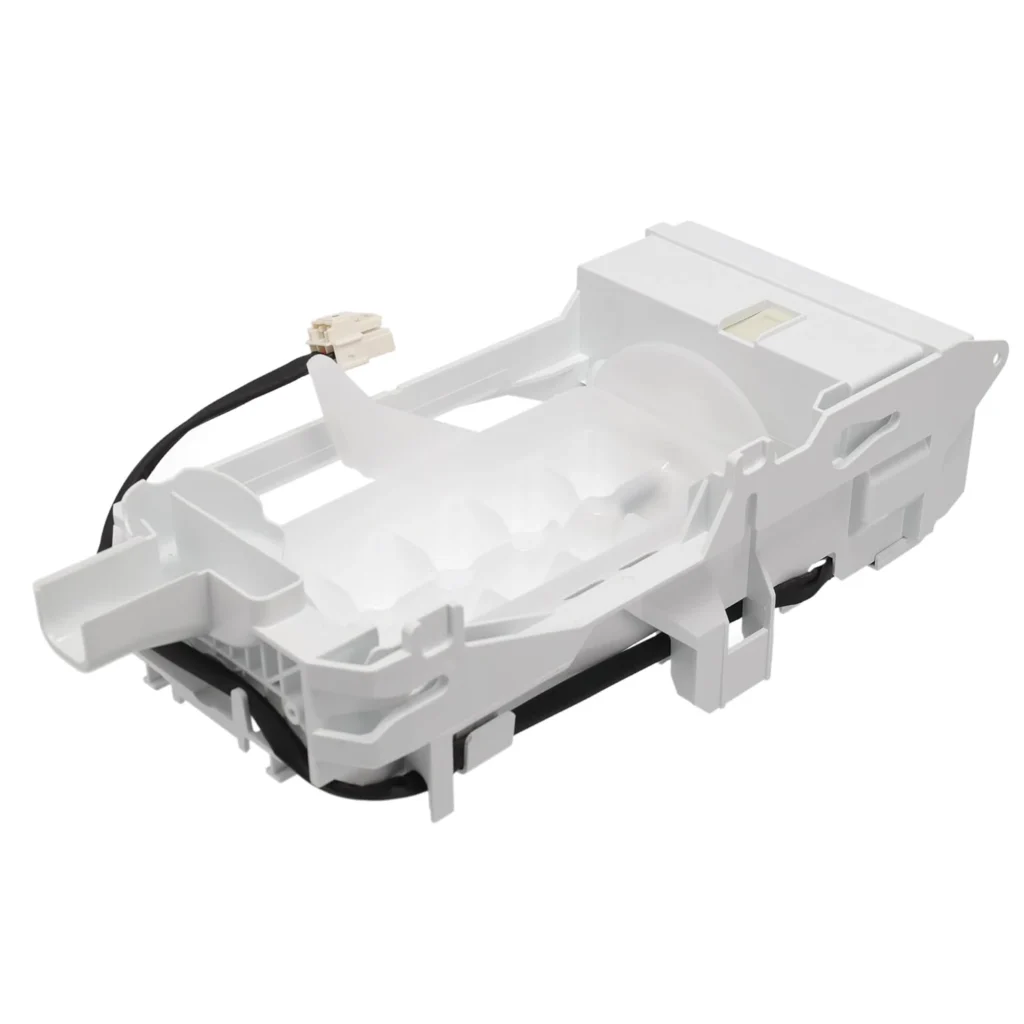
Your Frigidaire ice maker (part 5304532555) should produce consistent ice for 3–5 years, but most fail around the 2-year mark. Why? Because nobody thinks about maintaining something that's supposed to just work. A few simple habits can double its working life and save you $79 every couple years.
How Long Should It Last?
The 5304532555 ice maker assembly typically lasts 3–5 years under normal conditions. But here's the thing — "normal" assumes clean water, stable freezer temps, and regular use. Hard water knocks a year off that lifespan. Inconsistent temperatures? Another year gone. Let your freezer run at 5°F instead of 0°F, and you're asking for trouble.
Compatible models like the FFHI1835VS series and FRSS2323AB series all use this same assembly, which means they all share the same vulnerabilities. The good news? They also respond to the same preventive care.
Signs It's Wearing Out
Ice makers don't just die overnight. They give you warnings.
Ice Production Slows Down
If you're getting half the ice you used to, that's your first red flag. The motor's struggling, the water valve's clogging, or the fill tube's developing ice buildup. This usually happens gradually over 2–3 months, so you might not notice until someone complains there's no ice for drinks.
Cubes Are Smaller or Misshapen
Perfect cubes become hollow shells or weird half-moons. This means the fill cycle isn't getting enough water, usually from mineral buildup restricting flow. In hard water areas, this can start happening after just 18 months.
Strange Grinding or Clicking Noises
A healthy ice maker hums quietly. Grinding means the gears are wearing. Repeated clicking without ice dropping means the ejector arm's stuck or the motor's struggling. These sounds don't fix themselves — they get worse until the unit stops completely.
Ice Clumps Together in the Bin
When cubes freeze into one solid mass, your freezer's temperature is fluctuating. The ice maker's fine, but the environment isn't. Check your door seal and defrost cycle.
When to Replace vs Maintain
Here's the honest truth: if your ice maker is older than 4 years and showing multiple symptoms, just replace it. The 5304532555 assembly is a complete unit at $78.99 — cheaper than diagnosing and fixing individual components.
Replace immediately if you see water leaking behind the unit, if no ice comes out after 24 hours of being on, or if you smell burning plastic. These aren't maintenance issues.
Maintain if the unit's under 3 years old and you're catching early warning signs. A $5 water filter and 20 minutes of cleaning can buy you another year or two.
Monthly Maintenance That Actually Matters
First: clean the ice bin every month. Empty it completely, wash with warm soapy water, dry thoroughly. Mineral deposits and bacteria build up faster than you think.
Second: check the fill tube for ice buildup. That small tube where water enters can freeze partially closed. If you see frost, turn off the ice maker for 2 hours to let it melt.
Third: verify your freezer's at 0°F, not 5°F or -5°F. Buy a cheap thermometer if your built-in one seems off. Ice makers hate temperature swings.
The Water Quality Factor
If you have hard water, you're fighting an uphill battle. Calcium and magnesium destroy ice makers from the inside out. Replace your refrigerator's water filter every 6 months, not annually. Yes, the filter light lies — it's based on time or volume, not actual water quality.
Consider a whole-house water softener if you're replacing ice makers every 2 years. It'll pay for itself in appliance longevity alone.
What Not to Do
Don't use ice picks or screwdrivers to break up jammed ice. You'll crack the housing or bend the ejector arm. Turn off the unit and let it thaw.
Don't ignore weird noises hoping they'll go away. They won't. That clicking sound is the motor trying to push through resistance — every failed attempt wears the gears more.
Don't overfill the freezer. Air needs to circulate around the ice maker for proper operation. If frozen pizzas are blocking airflow, your ice production will suffer.
Frequently Asked Questions
How often should I clean my Frigidaire ice maker?
Clean the ice bin monthly and the entire ice maker assembly every 6 months. For deep cleaning, turn off the ice maker, remove the bin, and wipe down all accessible surfaces with a 50/50 vinegar-water solution. This removes mineral deposits before they become problematic.
Can I use vinegar to clean ice maker parts?
Yes, diluted white vinegar (50% water, 50% vinegar) is perfect for dissolving mineral buildup without damaging plastic components. Don't use bleach or harsh chemicals — they can leave residues that contaminate your ice. After cleaning with vinegar, rinse thoroughly and run 2–3 ice batches to waste.
Why does my ice smell bad even though the maker is new?
Bad-smelling ice usually means your water filter needs replacement or your freezer has odor contamination. Ice absorbs smells from other foods. Replace the water filter first (even if it's "new" — sometimes they're old stock). Then clean the freezer and ice bin. Store strong-smelling foods in airtight containers. If the smell persists, check the drain pan under your fridge — that's often the culprit.
Element showing wear?
5304532555 · Replace before it fully fails