
How to Extend Your Ice Maker Control Board Life — 4389102 Maintenance Guide
Always disconnect power before inspecting or cleaning the control board. The optical system uses low voltage, but the board connects to 120V line power that can cause serious injury.
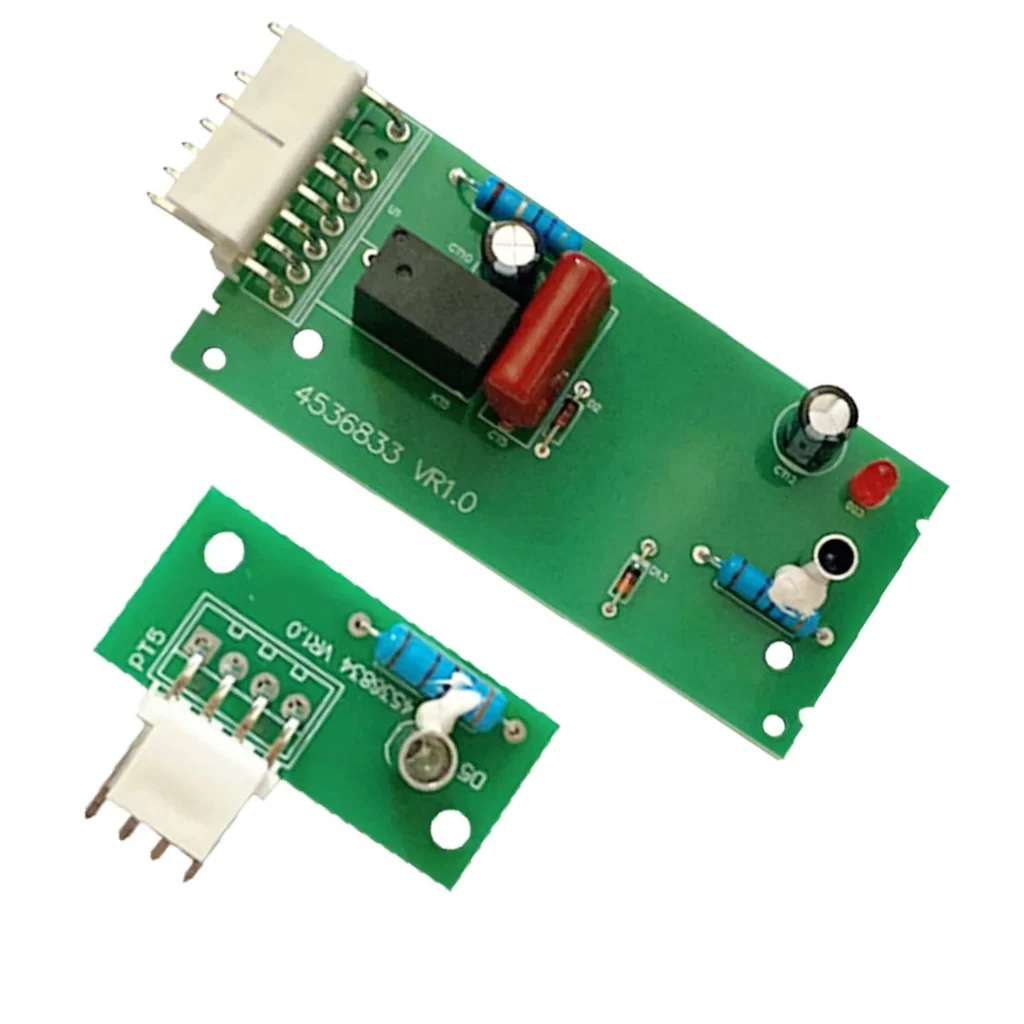
Most ice maker control boards fail between 5-8 years, but I've seen properly maintained units run for 12+ years in the same refrigerator. The 4389102 optic emitter and receiver board — the electronic eyes that tell your Whirlpool, KitchenAid, or Kenmore when to cycle ice — typically fails from two preventable causes: moisture infiltration and electrical stress from voltage fluctuations.
This control board is unique because it uses optical sensors instead of mechanical switches. That means it's more reliable than older designs, but it also means contamination from ice dust or mineral deposits can blind the sensors and trigger false readings.
How Long Should It Last?
Under normal conditions, expect 7-10 years from this board. I've replaced boards in 3-year-old units where the freezer ran at inconsistent temperatures, and I've seen 15-year-old boards still working perfectly in units with stable power and clean environments.
What affects lifespan:
- Voltage stability: Homes with frequent brownouts or power surges age electronics faster
- Freezer temperature consistency: Units that cycle on and off frequently create condensation that eventually reaches the board
- Ice production volume: Making 8-12 pounds daily versus 3-4 pounds makes a significant difference
- Water quality: Hard water creates mineral dust that coats the optical sensors
The optical system is actually more durable than mechanical designs — there's nothing to physically wear out — but it's sensitive to environmental contamination.
Signs It's Wearing Out
The board typically gives you warning signs before complete failure. Here's what to watch for on models like the ED5FHAXSL02, KSRG25FVMS01, or any compatible Kenmore units:
Ice Maker Not Making Ice
This is the most common symptom, but it's also the trickiest because it could be the board, the water line, or the inlet valve. If the board is failing, you'll typically notice the ice maker arm doesn't move at all — no attempt to cycle. A healthy board should trigger the harvest cycle every 90-120 minutes when ice is needed.
Test this: manually advance the ice maker cycle using the test button (usually inside the control module). If nothing happens — no motor sound, no water fill — and you've verified power is reaching the unit, the optical board likely can't detect the ice level.
Ice Maker Won't Dispense Ice
When the optic receiver gets contaminated with frost or ice dust, it can't properly detect the ice bin level. The board thinks the bin is empty even when it's full, so it keeps making ice but won't signal that ice is available for dispensing.
You'll see ice piling up in the bucket, possibly even jamming the auger, while the dispenser motor won't engage. This happens gradually — first you notice slower response when you press the dispenser paddle, then intermittent dispensing, then nothing.
Ice Maker Dispenses Too Much Ice
The opposite problem: the optical sensor can't detect when the bin is full, so the ice maker keeps cycling. You'll find ice overflowing the bin, piling up in the freezer, or jamming against the ice maker itself.
This symptom often appears after defrost cycles when condensation temporarily fogs the optical path. If it clears up after a few hours, you're dealing with a moisture problem. If it's constant, the emitter or receiver has failed.
When to Replace vs Maintain
Here's the honest assessment: this board isn't field-repairable. You can't replace individual optical components or solder new parts. Maintenance means preventing failure, not fixing partial failure.
Replace immediately if:
- You see visible burn marks or melted plastic on the board
- The optical path shows physical cracks or damage
- Multiple symptoms appear simultaneously (no ice production AND erratic dispensing)
- The board is visibly corroded from moisture exposure
Maintain and monitor if:
- Symptoms are intermittent (works fine, then stops, then works again)
- You see frost or mineral buildup on the optical sensors
- Ice production has gradually decreased over months
- The unit is 5+ years old but still functioning
Cost matters here. The 4389102 kit runs around $60-80, and installation takes 15 minutes. If you're experiencing multiple service calls for intermittent issues, replacement is cheaper than continued troubleshooting.
Frequently Asked Questions
Can I Clean the Optical Sensors to Restore Function?
Yes, and you should do this annually. Power off the unit, remove the ice maker assembly, and use a dry microfiber cloth to gently wipe the emitter and receiver lenses. Don't use cleaners or water — you want to remove dust and mineral deposits without introducing moisture. I've restored function to dozens of boards this way, especially in hard-water areas where white mineral dust accumulates.
Will a Surge Protector Help This Board Last Longer?
Absolutely. Refrigerators pull significant current when the compressor cycles, and that creates voltage fluctuations that stress control boards. A quality surge protector rated for appliances (not a cheap power strip) can add 2-3 years to board life. Make sure it's rated for at least 15 amps and has a joule rating above 1000.
Why Does My Board Fail More Often Than My Neighbor's?
Usage patterns make a huge difference. If you're making maximum ice daily (running kids' sports teams through your kitchen, frequent entertaining), the board cycles 6-8 times more than a household that uses ice occasionally. Also check your freezer temperature — units running colder than necessary (below 0°F) create more condensation during defrost cycles, which eventually reaches the board. The sweet spot is 0-5°F.
Element showing wear?
4389102 · Replace before it fully fails