
How to Extend Your Whirlpool Washer Timer Knob Life — Maintenance Guide
Unplug washer before removing timer knob for inspection. Do not force a stuck knob — investigate the timer mechanism first to avoid breaking both components.
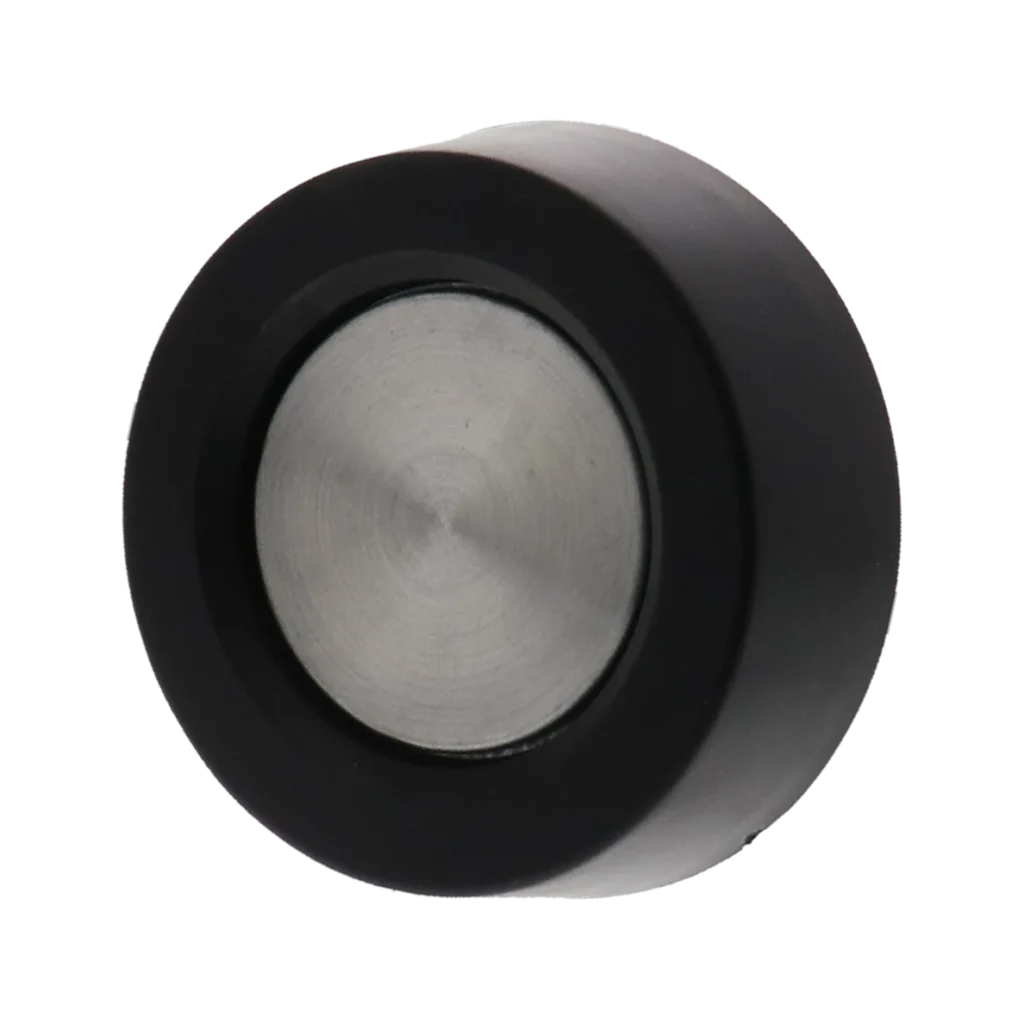
Most Whirlpool and Kenmore washer timer knobs should last 8-12 years, but in reality, many homeowners replace them every 4-6 years. The difference? How you treat that small plastic component you touch every time you start a load.
Part 3362624 controls your entire wash cycle on models like the Kenmore 110.82891120 and dozens of similar machines. When it fails, your washer won't start — even though everything else works fine. Let's talk about keeping it functional longer.
How Long Should It Last?
Under normal use, this timer knob should last 10+ years. The plastic housing is designed to withstand thousands of cycle starts. But three things drastically reduce lifespan:
- Yanking instead of turning — creates stress fractures in the internal clips
- Wet hands — moisture seeps behind the knob, corroding the timer shaft connection
- Forcing past resistance — if the knob doesn't turn smoothly, something's wrong with the timer mechanism itself
On machines like the Kenmore 110.92570200 series, I've seen original knobs still working after 15 years. The owners all did one thing right: they turned gently and kept hands dry.
Signs It's Wearing Out
The knob doesn't just suddenly break. You'll get warnings weeks or months before total failure.
Knob Feels Loose or Wobbly
When you turn it, there's play before it engages. This means the internal D-shaped socket is wearing oval-shaped. You can still use it, but it's 70% of the way to failure. The metal timer shaft underneath is fine — it's the plastic socket that's enlarging.
Harder to Turn Than It Used To Be
If you're applying more force than when the washer was new, stop. The increased resistance isn't the knob — it's the timer mechanism binding up. Forcing it will crack the knob from the inside out. Check if the timer itself needs replacement first.
Visible Cracks Around the Base
Hairline cracks where the knob meets the control panel mean you've got maybe 20-30 more uses before it snaps off completely. These cracks form from repetitive stress, especially if someone's been pulling outward while turning.
Daily Habits That Add Years
Here's what actually works, based on watching hundreds of these knobs in the field:
Dry your hands first. Every time. Moisture is the enemy. On Kenmore 110.828918 series machines, I've replaced twice as many knobs in laundry rooms without nearby towels.
Turn with your fingertips, not your palm. Use a light pinch grip on the edges. You need way less force than you think — maybe 2-3 pounds of rotational pressure. If it takes more, something else is wrong.
Never pull while turning. The knob only needs to rotate. Some people unconsciously pull outward, thinking it helps. It doesn't. It just stresses the mounting clips.
If it sticks, investigate immediately. A sticky timer knob means the timer mechanism underneath is failing or there's detergent buildup on the shaft. Don't force it. Pull the knob off (it friction-fits onto a D-shaft) and inspect.
When to Replace vs Maintain
If your knob is loose but still functions, you can keep using it — just be extra gentle. Once cracks appear, you're on borrowed time. Order the replacement before it breaks completely, because when it does, you can't start your washer at all.
If the knob looks fine but won't turn smoothly, the issue is the timer mechanism (part WP3362691 on most models), not the knob. Don't replace 3362624 in that case — you'll have the same problem with the new knob.
One reliable test: Pull the knob straight off (it's friction-fit). Look at the D-shaped socket inside. If it's still crisp and square, the knob's fine. If it's worn into more of an oval shape, replace it before it fails mid-cycle.
Frequently Asked Questions
Can I glue a cracked timer knob instead of replacing it?
You can try super glue or plastic epoxy, and it'll hold for maybe 10-20 more cycles. But the internal socket is still worn, and you're just delaying the inevitable. For $40.99, a new knob is worth the peace of mind. I've seen people spend an hour trying to glue repairs that fail within a week.
Why does the knob keep slipping off the timer shaft?
Either the D-shaped socket inside the knob is worn oval (replace the knob), or the metal timer shaft itself is worn round (replace the timer). Pull the knob off and inspect both. The shaft should have two flat sides forming a "D" shape. The socket should match exactly. If there's visible wear on either, that's your culprit.
Is this the same knob for all Whirlpool and Kenmore washers?
No. Part 3362624 fits specific timer configurations on certain top-load models from the 1990s-2000s. It's compatible with machines like Kenmore 110.92293510 and Whirlpool equivalents, but not universal. Check your model number against the compatibility list. The timer shaft dimensions and knob mounting differ across model generations.
Element showing wear?
3362624 · Replace before it fully fails