
How to Extend Your Whirlpool Washer Lid Switch Life — Maintenance Guide
Always disconnect the machine from mains electricity before accessing the lid switch assembly. The switch carries line voltage when the washer is plugged in.
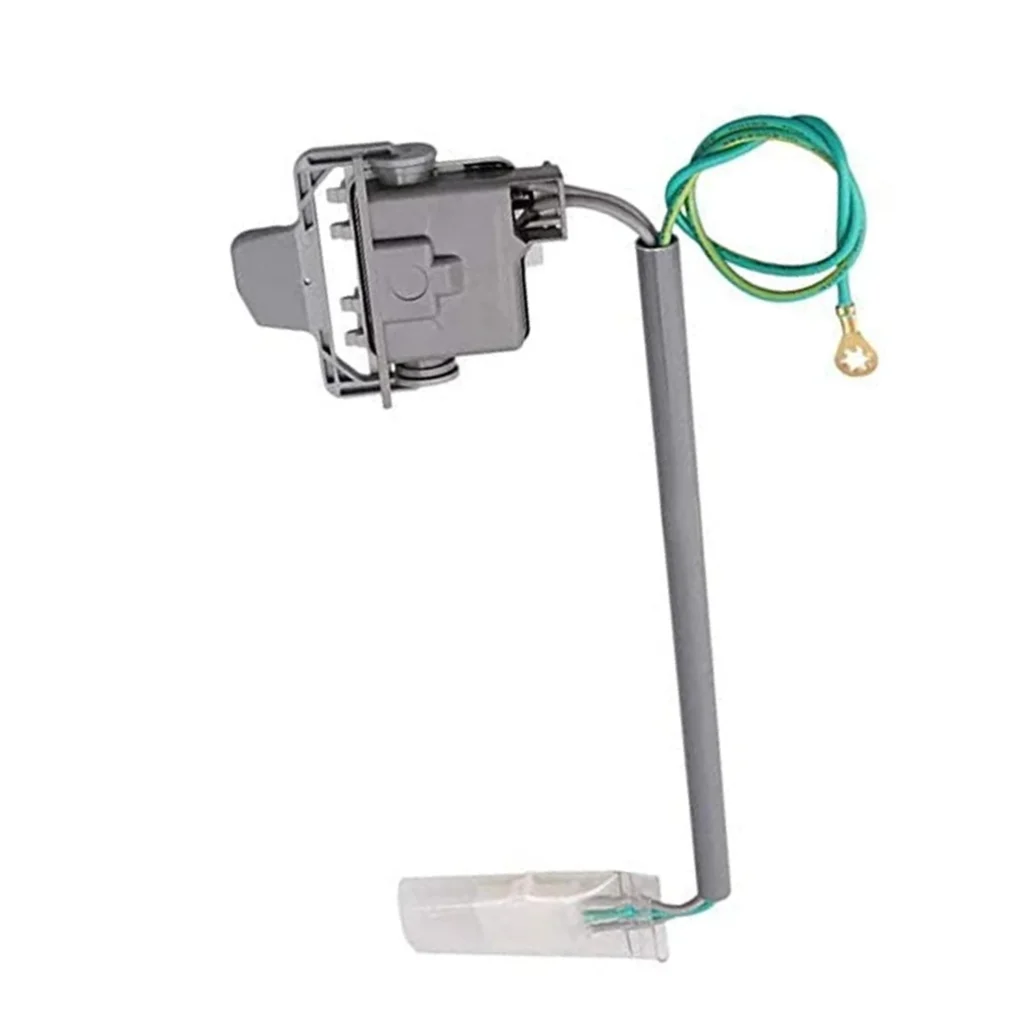
Most Whirlpool washer lid switches last 8–10 years, but here's the reality: about 40% fail before year seven. The switch itself doesn't wear out from use — it fails because of what's happening around it. Detergent spray, humidity, and the constant vibration from spin cycles create the perfect conditions for corrosion and contact failure.
I've replaced hundreds of these switches, and the ones that last longest? They're in machines where someone took five minutes twice a year to do basic maintenance. Not complicated stuff — just awareness of what kills these switches early.
How Long Should It Last?
The 3355806 lid switch assembly is rated for approximately 50,000 open-close cycles. In a household doing 8–10 loads per week, that translates to roughly 8–12 years of normal use. But that's the mechanical rating — the electrical contacts often fail first.
Three things determine actual lifespan:
- Moisture exposure: Detergent residue and humidity create a conductive path that corrodes the electrical contacts
- Vibration damage: Loose mounting screws allow the switch to move during spin cycles, eventually breaking internal connections
- Physical stress: Slamming the lid or forcing it closed when something's blocking it can crack the plastic actuator arm
With proper care, you can push a lid switch to 12–15 years. Without it, you're looking at replacement around year five or six.
Signs It's Wearing Out
Lid switches don't usually die suddenly. They give you warnings — you just need to know what to watch for. Here's what failing switches do:
Washer Won't Start the Spin Cycle
The machine fills, agitates normally, then just sits there with water in the tub. You can hear the timer advancing, but nothing happens when it should start spinning. This is the classic symptom of a failing lid switch — the electrical contacts are corroded enough that they don't make reliable connection anymore.
Sometimes jiggling the lid gets it to start. That's your 30-day warning that the switch is on its way out.
Won't Agitate or Drain
The washer thinks the lid is open even when it's closed. The switch mechanism isn't engaging properly — either the plastic actuator arm is worn or the internal spring has weakened. You might notice you have to press down on the lid slightly to get the machine to continue its cycle.
One customer described it perfectly: "First I thought it may be the timer since it wasn't advancing to the next cycle, but after trying that it didn't seem to have any affect. Then I took the front cover of the wash machine off" and found the lid switch wasn't clicking anymore.
Intermittent Operation
The washer works fine one load, then refuses to start the next. You open and close the lid a few times and suddenly it works again. This is contact corrosion — the switch makes connection sometimes but not consistently. It'll get progressively worse until it fails completely.
Monthly Maintenance Checklist
Here's what actually extends lid switch life — and it takes about three minutes:
Clean the lid area: Wipe down the top of the washer tub where the lid closes. Detergent residue builds up here and eventually finds its way into the switch housing. Use a damp cloth, nothing fancy.
Check for loose mounting: The switch mounts to the cabinet with two screws. Vibration loosens them over time. If the switch assembly moves at all when you press on it, tighten those screws. Loose switches break internal connections.
Test the click: Close the lid slowly and listen for the distinct click when the switch engages. If you don't hear it, or if it sounds weak, the mechanism is wearing out. A healthy switch makes a firm, audible click.
Inspect the actuator arm: The little plastic piece that the lid pushes down on — look at it closely. Any cracks, chips, or white stress marks mean it's about to break. Catches a lot of people by surprise because everything seems fine until that arm snaps.
When to Replace vs Maintain
Be honest about what maintenance can and can't fix. If your switch is already showing symptoms — won't start, intermittent operation, won't spin or drain — maintenance won't save it. The internal contacts are already damaged. At $22.99, the 3355806 replacement is cheaper than the loads you'll waste trying to nurse a failing switch along.
Replace immediately if:
- You have to jiggle or press the lid to get the washer to start
- The switch doesn't click anymore
- The actuator arm is cracked or broken
- You see any corrosion on the electrical terminals
Maintenance helps when the switch is still working normally — it prevents future failure. It doesn't fix existing electrical problems.
One installer shared: "Fixing the problem was quite simple. First, I removed the lid assembly (thanks to the diagrams!). Getting the back two screws out was very difficult because I couldn't see them from the front and I could not move the unit out of the enclosed space." Plan for 30–60 minutes if you're doing the replacement yourself.
Frequently Asked Questions
Can I test if my lid switch is failing before it dies completely?
Yes. Unplug the washer, access the switch (usually under the main top panel), and disconnect the wires. Use a multimeter set to continuity mode. With the actuator pressed down (lid closed position), you should get continuity. Release it (lid open), and continuity should break. If you get intermittent readings or no change between positions, the switch is failing. Most people notice the symptoms first though — the washer just won't start the spin cycle.
Does detergent type affect lid switch lifespan?
Indirectly, yes. Powder detergent creates more dust and residue that settles on top of the washer and eventually works into the switch housing. Liquid detergent is less of an issue, but any overflow or spills near the lid area will find their way to the electrical contacts. HE detergents produce fewer suds, which means less spray reaching the switch area during agitation. Keep the top of your washer wiped down regardless of detergent type.
My washer is 12 years old and the original switch still works — should I replace it preemptively?
If it's working without symptoms, leave it alone. Preemptive replacement doesn't make sense for a $23 part that takes 30 minutes to install. You're not going to damage anything if it fails — the washer just won't start. Keep a replacement switch on hand if you want peace of mind, but don't fix what isn't broken. Focus your maintenance on keeping moisture and detergent residue away from the switch, and it might give you another few years.
Element showing wear?
3355806 · Replace before it fully fails