
How to Extend Your Whirlpool Surface Burner Receptacle Life — Maintenance Guide
Always disconnect power at the breaker before inspecting or cleaning receptacles. Wait 10 minutes for residual heat to dissipate. Never spray liquids directly into the receptacle — spray on cloth first.
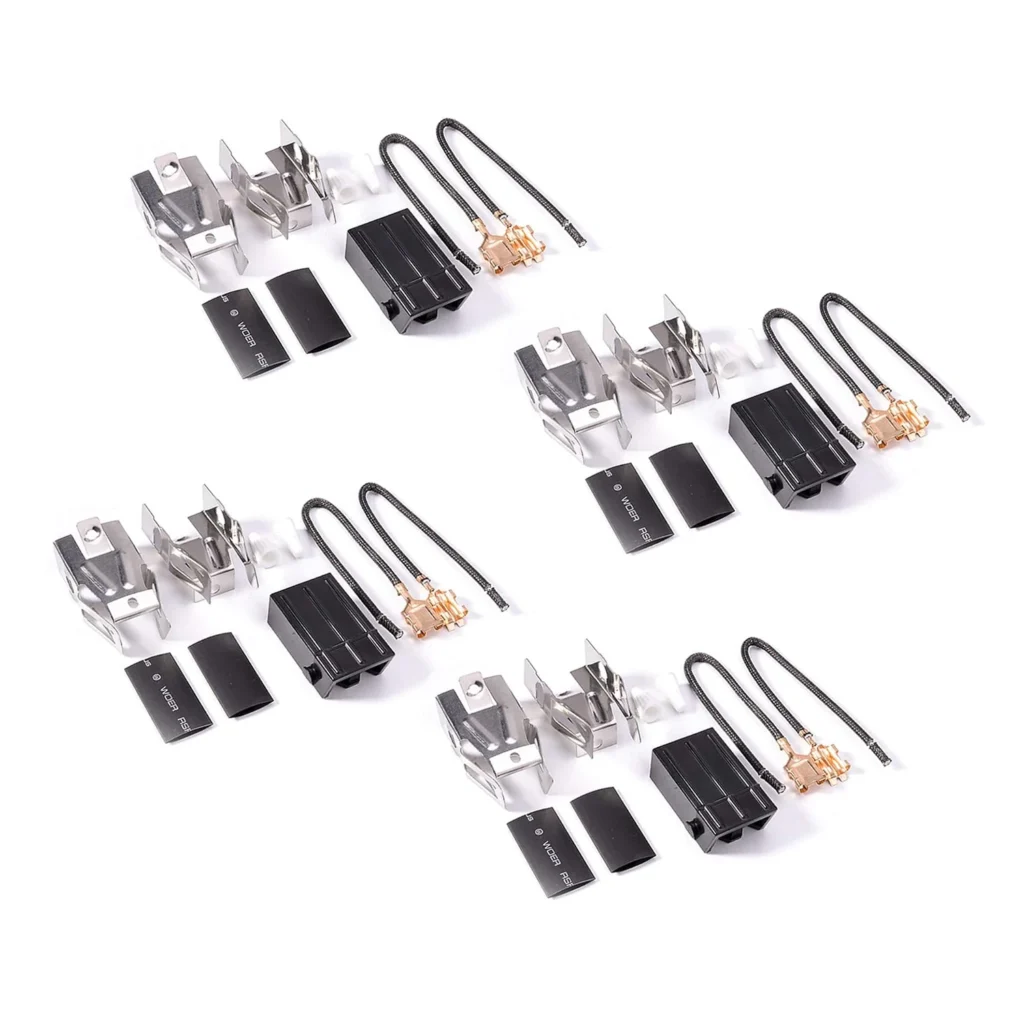
The average surface burner receptacle should last 10-12 years, but most fail around year 7. The difference? How you treat it daily. Every time you drag a heavy pot across the burner, every spill you let harden around the terminals, every time you crank the heat to maximum when you didn't need to — you're shaving months off its lifespan.
The 330031 receptacle kit handles serious electrical load. It's the bridge between your home's wiring and the heating element, managing up to 3,000 watts on high settings. That's why maintenance isn't optional — it's the difference between a $15 part lasting a decade versus replacing it every five years.
How Long Should It Last?
Under normal conditions, you're looking at 10-15 years from a quality receptacle. I've seen original equipment on Whirlpool RF365BXWN1 and KitchenAid KECS100SAL6 models running strong after 18 years. But that's with proper care.
What kills receptacles early:
- Heat cycling abuse — Cranking from off to high repeatedly creates expansion/contraction stress on the terminals
- Moisture intrusion — Boil-overs that aren't cleaned immediately corrode the brass contacts
- Poor element contact — Bent or loose element prongs create arcing, which burns the receptacle
- Overloading — Using oversized cookware that doesn't match the element size concentrates heat
With preventive maintenance, you can push that lifespan to 12-18 years. The trick is catching wear before it becomes failure.
Signs It's Wearing Out
Your stove will tell you when the receptacle is struggling. Most people ignore these warnings until they're stuck with a burner that won't start.
Element Will Not Heat
This is the endgame symptom — complete failure. But it doesn't happen overnight. The receptacle's brass terminals gradually lose their grip on the element prongs. As contact weakens, resistance increases, heat generation drops. You'll notice the burner taking longer to reach temperature weeks before it stops working entirely.
Test it: Turn the burner to high. If it glows faintly or only heats on one side, your receptacle terminals are shot. The element itself is probably fine — it's the connection that failed.
Will Not Start
When you turn the dial and nothing happens, three things are possible: bad element, bad receptacle, or bad wiring. Nine times out of ten with units like the Whirlpool RS6700XKW3 or Maytag FES310BQ1, it's the receptacle.
Here's why: The spring tension in those brass terminals weakens over time. Eventually they can't maintain the pressure needed for electrical contact. You might get it working by wiggling the element — that's your warning sign. If jiggling fixes it temporarily, replace the receptacle before you're cooking Thanksgiving dinner.
Visible Terminal Damage
Pull out your elements once a year and inspect the receptacles. You're looking for:
- Blackened or pitted brass terminals (indicates arcing)
- White crusty deposits (dried boil-over residue creating resistance)
- Terminals that look spread apart or deformed
- Burn marks on the surrounding porcelain
- Loose mounting — the receptacle rocks when you push it
Any of these means you're on borrowed time.
When to Replace vs Maintain
Let's be honest about what's worth fixing. If you catch wear early, cleaning and tightening can add years. But some damage can't be undone.
Maintain if:
- Terminals show minor discoloration but are still tight
- There's buildup but no pitting or burning
- Element makes solid contact without wiggling
- The receptacle is firmly mounted to the range top
Replace if:
- Terminals are pitted, burned, or severely corroded
- The element won't heat even when you verify it's good
- You smell burning plastic near the burner
- Terminals have lost spring tension and feel loose
- There's visible cracking in the receptacle housing
The 330031 kit runs about $15-20. If you're spending 20 minutes cleaning a receptacle that's already showing heat damage, you're wasting your time. Just replace it. But if it's cosmetic buildup on otherwise healthy terminals? Clean it and you'll get another five years.
Frequently Asked Questions
How often should I clean the burner receptacles?
Wipe down after any spill immediately — that's non-negotiable. Do a deep clean every 3-6 months depending on cooking frequency. If you cook daily, lean toward quarterly. Weekend cooks can stretch to twice a year. Pull the elements, spray with degreaser, scrub the terminals gently with a brass brush, rinse, and dry completely before reinstalling.
Can I use steel wool on the receptacle terminals?
No. Steel wool is too aggressive and will scratch the brass plating, making corrosion worse. Use a brass wire brush or crumpled aluminum foil for scrubbing. For stubborn carbon buildup, use a paste of baking soda and water, let it sit for 10 minutes, then scrub with the brass brush. The goal is clean terminals without damaging the surface finish.
Why does my receptacle keep failing on the same burner?
Usually it's one of three things: you're using that burner most (natural wear), the element doesn't fit correctly (check for bent prongs), or there's a wiring issue behind the receptacle creating excess heat. If you've replaced the 330031 twice in three years on the same position, pull the range out and check the wire connections. Loose wires create resistance, resistance creates heat, heat destroys receptacles.
Element showing wear?
330031 · Replace before it fully fails