
How to Extend Your Frigidaire Drawer Glide Life — Maintenance Guide
Always remove all items from drawer before servicing. A falling drawer can cause serious injury.
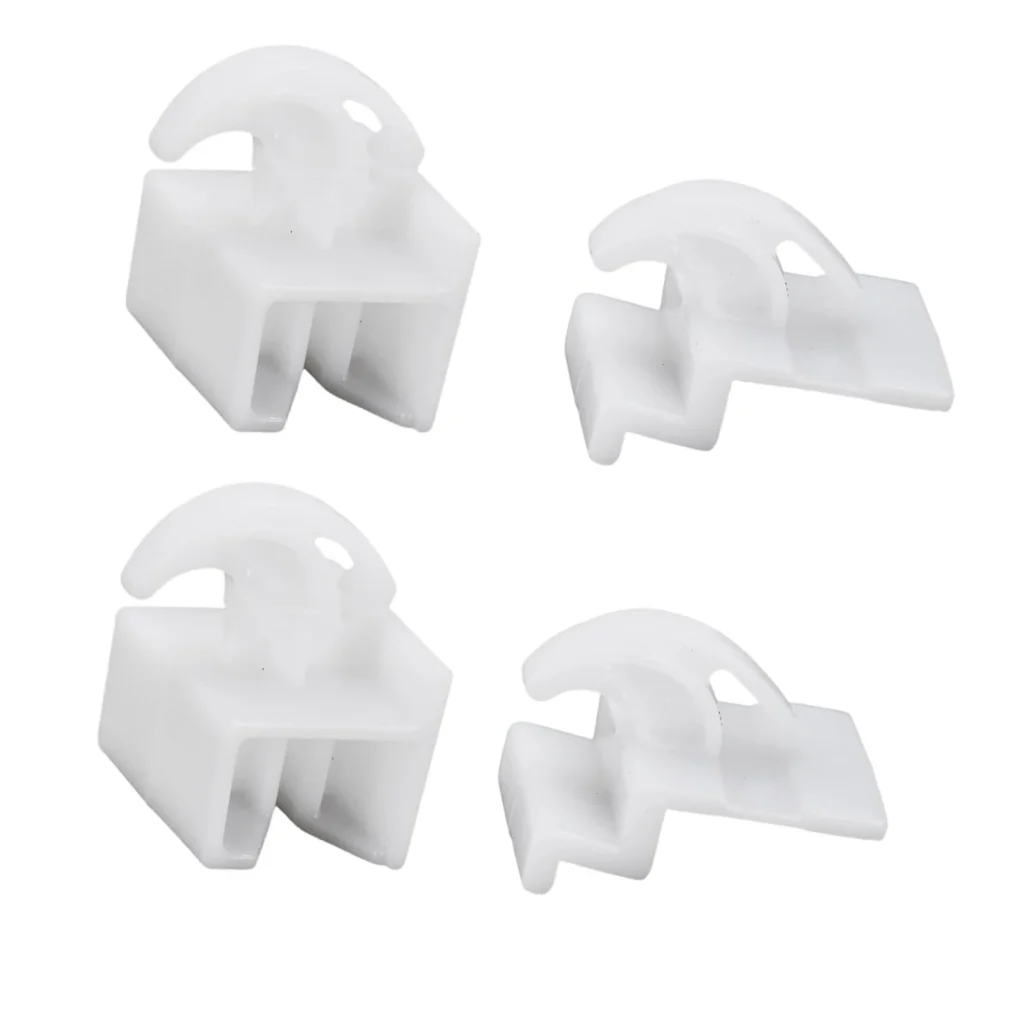
Most oven drawer glides fail within 5-7 years, but they're actually designed to last 10-15. The difference? How you treat that storage drawer every single day. If you're yanking it open to grab a baking sheet or slamming it shut with your hip, you're shaving years off those plastic glides.
The 3051162 front drawer glide is one of those parts that fails gradually. First the drawer gets a little sticky. Then it starts sitting crooked. Eventually, you'll notice the door won't close all the way because the drawer's pushed the whole assembly out of alignment.
How Long Should It Last?
Under normal conditions, these drawer glides should give you 10-12 years. But here's what "normal" actually means: you're opening and closing the drawer maybe once or twice a day, not overloading it, and keeping it reasonably clean.
Most people use their storage drawers harder than that. You're pulling out heavy roasting pans, stacking sheet trays, storing cast iron skillets. That's fine — the glides can handle it — but only if you're opening and closing the drawer properly.
What kills these glides faster than anything? Jerking the drawer open when something's jammed inside, or forcing it closed when pans are sticking out at an angle. That side-loading pressure cracks the plastic mounting points and warps the glide rails.
Signs It's Wearing Out
You'll notice problems with drawer glides long before they completely fail. Pay attention to these warning signs — catching them early means you can prevent damage to the drawer box itself.
Door Won't Close Flush
This is the classic first symptom. The oven door closes, but there's a visible gap at the bottom, or it sits slightly crooked. What's happening: the storage drawer is pushed too far forward because the front glide has cracked or come loose. The drawer physically prevents the door from seating properly against the frame.
Don't ignore this. When the door doesn't seal right, you're losing heat during cooking, which means longer preheat times and higher energy bills.
Drawer Binds or Catches
The drawer slides out smoothly for the first few inches, then suddenly catches and requires extra force to pull all the way out. This happens when the glide track gets worn unevenly — usually from overloading one side of the drawer more than the other.
If you store all your heavy pans on the left side, the left glide wears faster. Eventually it develops a rough spot that the roller catches on every time.
Visible Cracks in the Plastic Housing
Pull the drawer all the way out and look at where the glide attaches to the drawer box. See any hairline cracks radiating from the screw holes? That's stress damage. The plastic is fatiguing, and it's only a matter of time before those cracks widen and the whole mounting point breaks off.
When to Replace vs Maintain
Here's the honest truth: drawer glides aren't really repairable. They're injection-molded plastic assemblies. Once they crack or wear out, you replace them. At $9.99, it doesn't make sense to try rigging a repair.
But you can absolutely extend their life with proper maintenance. If your glides are still in good shape — no cracks, drawer slides smoothly — you can probably double their lifespan with minimal effort.
Replace immediately if you see structural cracks, if the drawer falls out of the tracks, or if the door won't close properly. These are safety issues. A drawer that falls out unexpectedly can dump hot pans on your feet.
Frequently Asked Questions
Can I lubricate the drawer glides to make them slide easier?
You can, but use the right product. Don't use WD-40 or cooking spray — both attract dust and grime. Use a dry silicone spray or a small amount of white lithium grease on the metal rails only. Avoid getting lubricant on the plastic parts; it can actually accelerate wear by attracting abrasive particles.
How much weight can the storage drawer actually hold?
Most manufacturers rate these drawers for 20-25 pounds total capacity. That's maybe four or five cast iron skillets, or a full set of sheet pans. If you're storing more than that, you're overloading the glides. The drawer might feel fine now, but you're compressing the plastic and it'll fail prematurely.
Will the wrong replacement part damage my oven?
Using an incompatible glide can definitely cause problems. If the dimensions are even slightly off, the drawer won't track straight, which puts stress on both glides. Eventually, you'll crack the drawer box itself or damage the door hinge. The 3051162 is the correct part for models like the FEF312BSE, FFEF3011LWA, and CFEF312GSA — stick with the right part number.
Element showing wear?
3051162 · Replace before it fully fails