
How to Extend Your Whirlpool Washer Water Inlet Valve Life — Maintenance Guide
Always disconnect power and turn off water supply before servicing. Water and electricity don't mix — even low-voltage solenoid connections can short and damage control boards if you're careless.
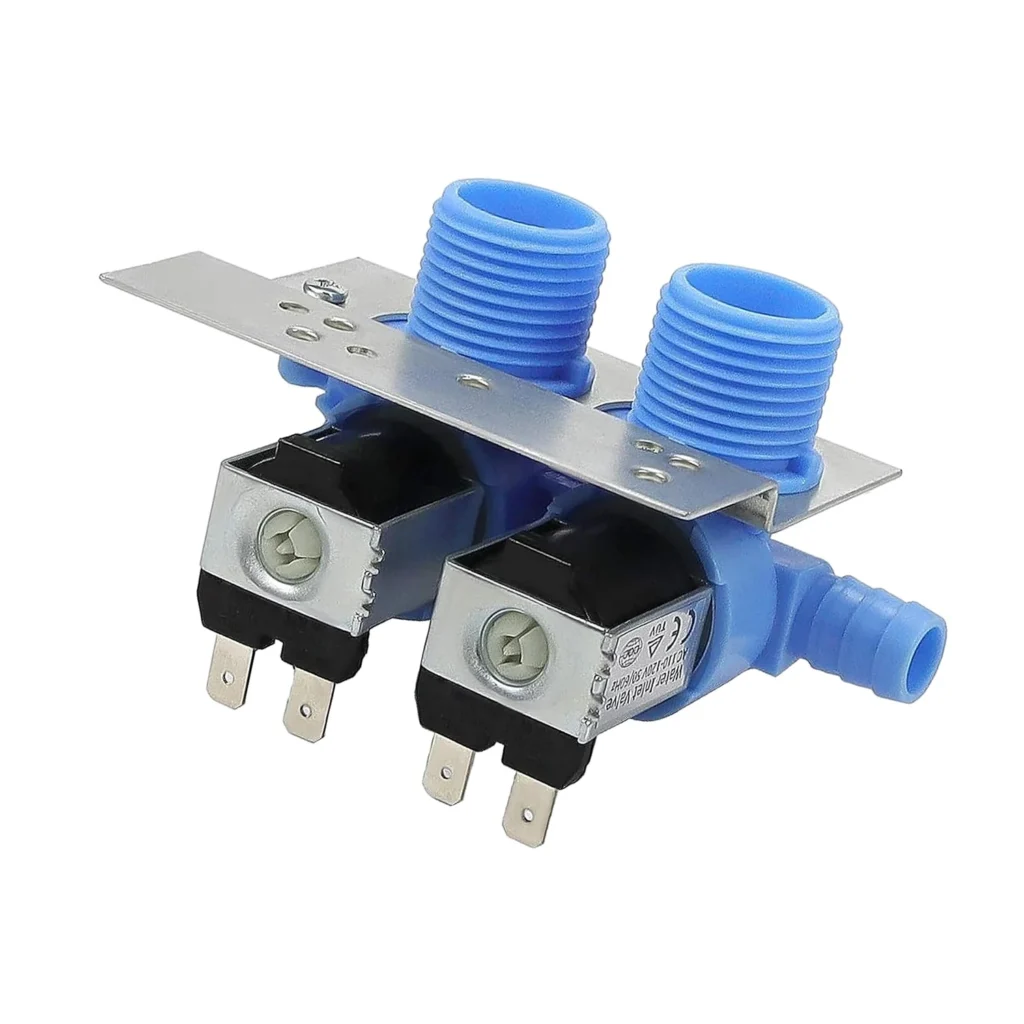
Most water inlet valves fail between 5-8 years, but I've seen them give out in 18 months when hard water's involved. The 285805 valve on your Whirlpool, Kenmore, or KitchenAid washer controls every drop of water entering the machine — and when it starts failing, you'll know it. One customer told me their "washer is not leaking into tub anymore" after replacing theirs, which tells you exactly how common this problem is.
Here's what most people don't realize: you can't really "fix" a water inlet valve once it starts failing internally, but you can prevent the two biggest killers — sediment buildup and pressure spikes — from shortening its life. Let's talk about what actually works.
How Long Should It Last?
Under ideal conditions, the 285805 valve should give you 8-10 years. That's with clean water, stable water pressure (40-120 PSI), and no mineral deposits. Reality? Most people get 5-7 years because nobody thinks about water quality until something breaks.
The solenoid coils inside this valve are the weak point. They're energized every single fill cycle — sometimes 10-12 times per load if you're running extra rinses. Over thousands of cycles, the coils degrade, or sediment jams the valve seats so they won't seal properly. That's when you get the classic symptoms: slow filling, no hot or cold water, or water leaking into the tub when the machine's off.
Hard water accelerates everything. If you've got visible mineral deposits on your faucet aerators, your inlet valve screens are probably half-clogged already.
Signs It's Wearing Out
Don't wait for catastrophic failure. The 285805 gives you warning signs if you're paying attention:
No Hot or Cold Water
This is the number one symptom. You start a cycle and nothing happens — the timer advances but no water enters. Sometimes it's just the hot side that quits, sometimes both. The solenoid coils have failed or there's so much sediment the valve can't open. If you hear the valve trying to click but no water flows, it's done.
Leaking
Water dripping from the valve itself or pooling behind the washer means the internal seals are shot. Sometimes it's a slow drip you don't notice until you pull the machine out. Other times it's obvious — you'll see water in the tub when the washer's been off for hours. That's the valve not closing completely, and it'll run your water bill up while it's at it.
Water Filling Issues
The washer fills slower than it used to, or it overfills and floods. The valve's sticking partially open or the flow sensors can't get accurate readings because sediment's messing with the valve operation. You might also get error codes related to water level — different symptoms, same root cause.
Will Not Start
Some washers won't start the cycle at all if they detect the water valve isn't responding correctly. The control board sends the signal, gets nothing back, and throws an error. Frustrating, but it's actually a safety feature preventing a flood.
What You Can Actually Do
Let's be straight: you can't repair the valve itself. No amount of soaking in vinegar will fix burned-out solenoids. But you can dramatically extend its life by keeping sediment out and protecting it from pressure problems.
Clean the Inlet Screens Every 6 Months
This is the single most effective thing you can do. Turn off the water supply, disconnect the hoses, and pull out the little mesh screens inside the valve's inlet ports. They catch sediment, rust particles, and mineral deposits before they jam the valve internals. Rinse them under running water, use an old toothbrush if needed. If they're heavily scaled, soak in white vinegar for 30 minutes.
Don't skip this. I've seen screens so clogged the washer could barely fill. Clean screens mean full water pressure reaches the valve, less strain on the solenoids, longer life.
Install Inline Sediment Filters
If you've got older galvanized pipes or well water, spend $15 on inline filters for your washer hoses. They catch everything before it reaches the valve. Replace the filter cartridges yearly or when water flow slows down. This is especially critical if you've already replaced the 285805 once — don't let the new one die the same way.
Check Water Pressure
Get a pressure gauge from the hardware store and check your home's water pressure. It should be 50-80 PSI. Over 100 PSI? You're stressing every water valve in your house, not just the washer. Install a pressure regulator at your main line. Under 40 PSI and the valve struggles to open fully, wearing out the solenoids faster.
Don't Overtighten the Hoses
Hand-tight plus a quarter turn with pliers is enough. Over-torquing the hose connections can crack the valve's plastic housing or stress the threads. One customer spent "two hours" installing their replacement valve — probably fighting with mounting hardware or trying to make connections absolutely wrench-tight. You don't need that. Snug is sufficient.
When to Replace vs Maintain
If you're already seeing symptoms — no water flow, leaking, or filling problems — maintenance won't help. The valve's internal components have failed and there's no rebuilding them. Just order the 285805, budget 30-45 minutes for installation, and move on.
But if your washer's still working fine? Do the screen cleaning now. Check your water pressure. Install filters if your water's questionable. These simple steps can push a 5-year valve to 10 years. That's real money saved.
Also worth noting: if you're replacing the valve and your hoses are more than 5 years old, replace them too. Burst hoses cause way more damage than a bad valve ever will.
Frequently Asked Questions
How often should I clean the inlet screens on my 285805 valve?
Every 6 months if you have city water, every 3 months if you have well water or visible sediment in your supply. It takes five minutes and prevents 80% of premature valve failures. Mark it on your calendar with "change HVAC filter" and you'll never forget.
Can I use the old mounting bracket when replacing the valve?
Usually yes, but not always. Some models like certain Kenmore 110-series units don't use a bracket at all — the valve just threads directly to the cabinet. If your new valve comes with a bracket and your old one didn't use one, you can typically skip it. Just make sure the valve's secure and the hoses aren't pulling on it.
Will a water softener help my inlet valve last longer?
Absolutely. Soft water means no mineral deposits clogging the screens or building up inside the valve body. If you've replaced this valve twice already and have hard water, a softener's probably cheaper in the long run than replacing valves every four years. But even without a softener, regular screen cleaning makes a massive difference.
Element showing wear?
285805 · Replace before it fully fails