
How to Extend Your Frigidaire Condenser Fan Motor Life — Maintenance Guide
Always unplug your refrigerator before cleaning the condenser fan motor area. The motor operates on household voltage and can cause serious shock if touched while powered.
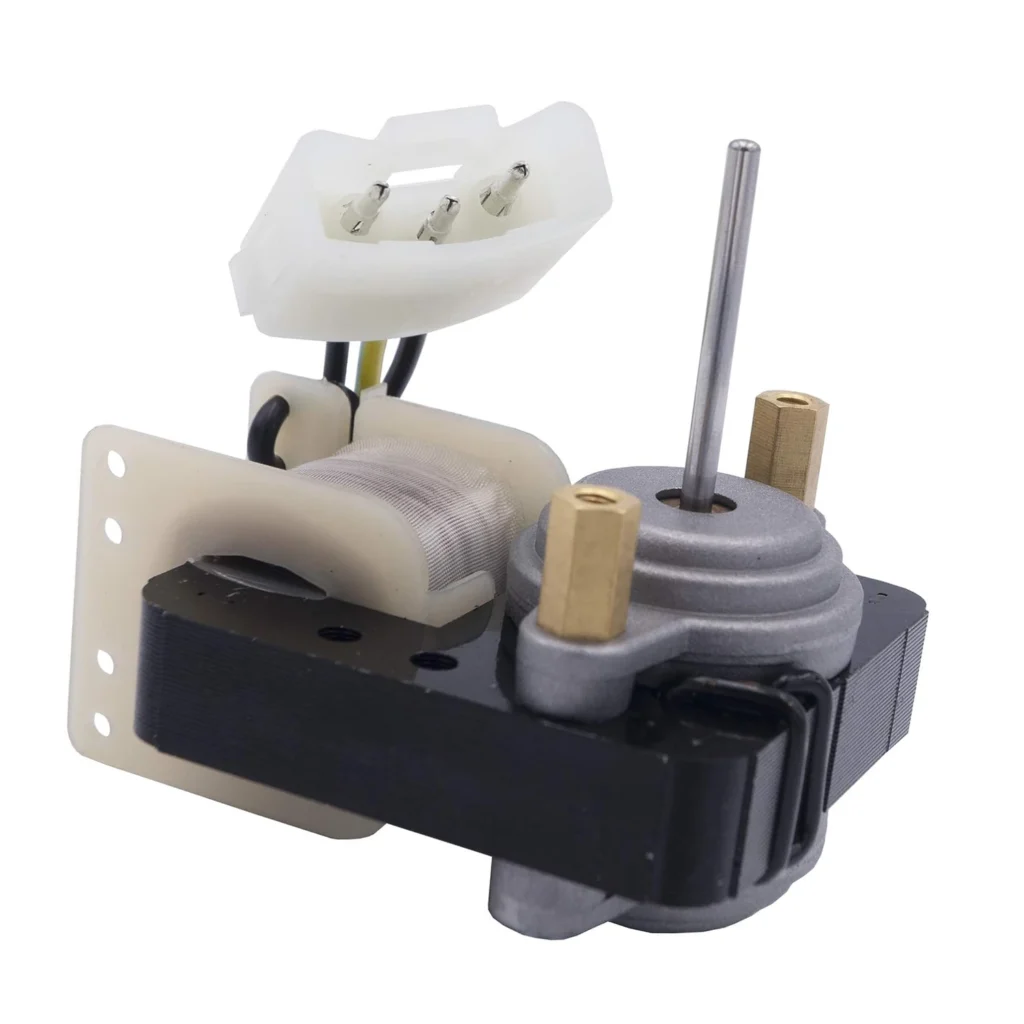
Most condenser fan motors fail between years 5 and 8, but I've seen them last 12+ years with proper maintenance. The difference? Keeping dust and debris away from the motor and ensuring it doesn't overheat. When a condenser fan motor stops working, airflow across your coils dies — and your Frigidaire starts running hot, making noise, and working overtime to stay cool.
I've replaced hundreds of these motors, and most failures I see are preventable. Your condenser fan motor (part 241696606) sits behind your refrigerator where dust bunnies breed and pet hair accumulates. That buildup chokes the motor, forcing it to work harder until it eventually burns out.
How Long Should It Last?
Under normal conditions, expect 6–8 years from your condenser fan motor. That's in a typical kitchen with average dust, no pets, and the fridge positioned with proper clearance. Real-world lifespan varies wildly based on your environment.
I've seen motors fail at year 4 in dusty basements or homes with multiple pets. Conversely, I've serviced refrigerators in clean environments with original motors still running at 12 years. The motor itself is simple — a small electric motor spinning a blade. What kills it isn't complexity; it's heat and friction from debris buildup.
Here's what shortens motor life:
- Dust accumulation on the motor housing — acts like insulation, trapping heat
- Blocked condenser coils — forces the motor to run longer cycles
- Poor ventilation around the refrigerator — no clearance means hot air recirculates
- Pet hair wrapped around the fan blade — creates drag and resistance
- Voltage fluctuations — uncommon but can damage motor windings
Models like the FRT18L4FW3, FFTR1513LW0, and FRT18IS6CWN all use this same motor design. If you maintain it properly, you'll easily exceed that 6-8 year average.
Signs It's Wearing Out
Your condenser fan motor will tell you when it's struggling — you just need to know what to listen and look for. Most homeowners ignore these early warnings until the motor dies completely.
Refrigerator Running Hot or Warm Spots
When the condenser fan motor starts failing, airflow across the coils drops. Your compressor runs longer trying to compensate, but it can't overcome poor heat dissipation. You'll notice the refrigerator compartment isn't as cold, or the freezer struggles to maintain temperature.
Touch the sides of your fridge near the back — if they're hot to the touch (not just warm), that's a red flag. The condenser coils should release heat, but excessive heat means the fan isn't moving enough air.
Unusual Noises From Behind the Refrigerator
A healthy condenser fan motor runs quietly with a gentle hum. When bearings wear or the blade gets unbalanced, you'll hear:
- Grinding or scraping — blade hitting something or bearings shot
- Loud humming — motor struggling to start or run
- Clicking followed by silence — motor trying to start but failing
- Intermittent squealing — dry bearings or debris in the blade
Don't ignore noise changes. A noisy motor is a failing motor.
Motor Runs Hot or Smells Like Burning
Pull your fridge out and touch the motor housing (carefully — it might be hot). It should be warm but not scalding. If you can't hold your hand on it for 3 seconds, it's running too hot. You might also smell that distinct electrical burning odor, like hot plastic or wire insulation.
This is your last warning before complete failure. The motor windings are breaking down, and you've got weeks at best before it stops entirely.
When to Replace vs Maintain
Here's the honest truth: condenser fan motors aren't really repairable. When they fail, you replace them. But maintenance can prevent that failure for years.
If your motor is still running but showing early symptoms (slight noise increase, running a bit warmer), aggressive cleaning and maintenance can buy you another 1–2 years. I've saved motors that sounded rough by thoroughly cleaning them and ensuring proper clearance.
Replace immediately if:
- Motor won't start or stops after a few seconds
- Burning smell accompanies operation
- Grinding noise is constant
- Refrigerator can't maintain temperature despite cleaning
The replacement is straightforward — 15–30 minutes with basic tools. You'll need nut drivers, screwdrivers, and possibly a socket set depending on your model. I've replaced these on everything from the FFTR1515LW2 to the FRT18HB5DWA, and the process is nearly identical across Frigidaire models.
Part 241696606 replaces older versions AP4824720, 241696602, and 241696605, so if you've got an older Frigidaire, Kenmore, or Electrolux refrigerator, this is likely your motor.
Frequently Asked Questions
How Often Should I Clean My Condenser Fan Motor?
Every three months at minimum. If you have pets, make it monthly. Pull the refrigerator out, unplug it, and vacuum the condenser coils and fan area. Use a brush attachment to loosen stubborn debris, then vacuum it up. Don't blow compressed air — you'll just push dust deeper into the motor.
Can I Lubricate the Condenser Fan Motor?
Most modern condenser fan motors are sealed bearing designs — there's no lubrication point. Older motors might have oil ports, but the 241696606 doesn't. If your motor is grinding or squealing, it's time for replacement, not lubrication.
Why Does My Motor Stop and Start Throughout the Day?
That's normal operation. The condenser fan motor runs when the compressor runs, cycling on and off based on temperature demand. What's not normal is if it clicks repeatedly trying to start but won't spin, or if it stops after running for just a few seconds. Those patterns indicate motor failure.
Element showing wear?
241696606 · Replace before it fully fails