
How to Extend Your Maytag Washer Drive Belt Life — Maintenance Guide
Always unplug your washer before inspecting or replacing the drive belt. The motor can start unexpectedly if the machine is plugged in, causing serious injury.
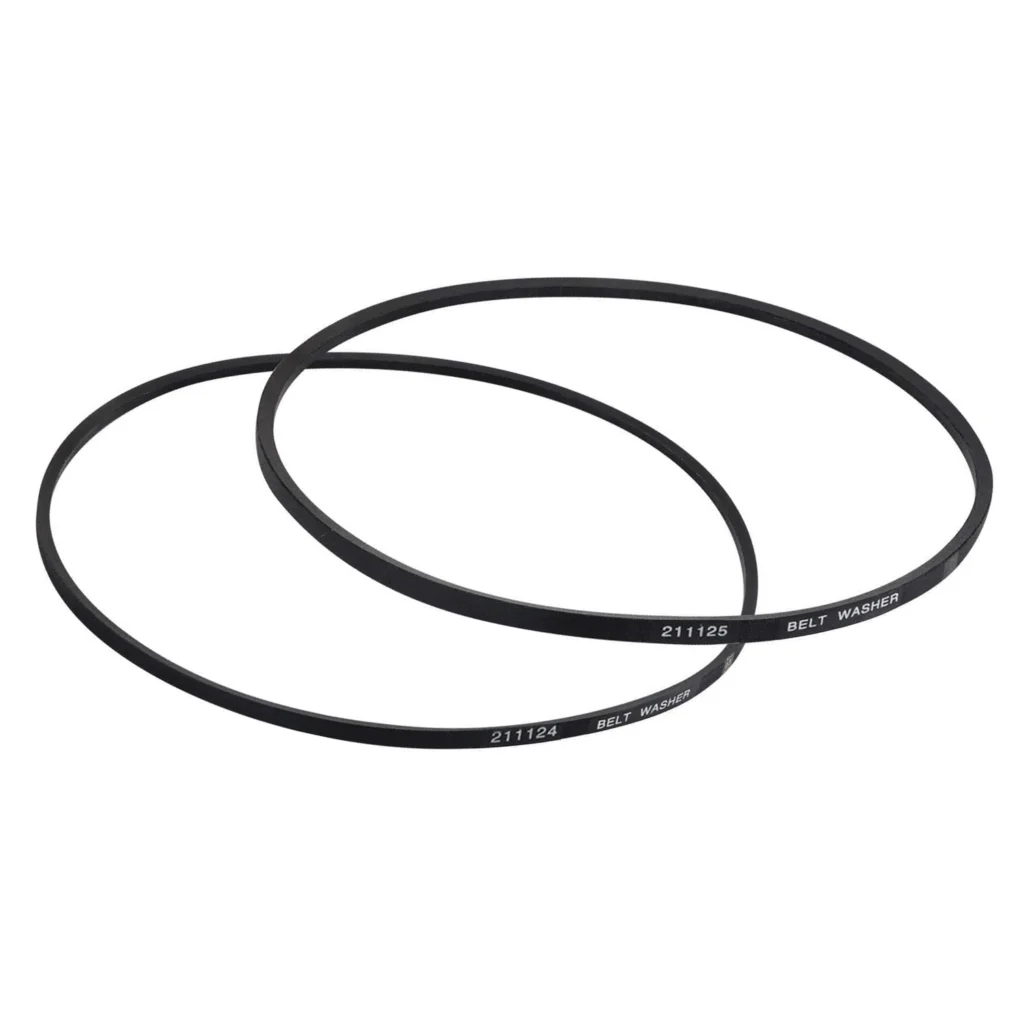
Here's something most people don't know: the drive belt in your Maytag washer (part 12112425) should last 7-10 years, but most fail around year 5. The difference? A few simple maintenance habits that take maybe 10 minutes every few months.
One user put it perfectly: "Easy preventive maintenance." They're right — catching belt wear early means you'll never deal with a washer that "would not drain water and left clothes soapy and wet" in the middle of laundry day.
How Long Should Your Drive Belt Last?
The 12112425 pump and drive belt kit (which replaces AP4011179, W10175481, and PS2005284) is engineered for 7-10 years of normal use. That's about 2,500-3,500 wash cycles. But here's what actually affects that lifespan:
- Load size: Consistently overloading your LAT2910, LAT5804, or LAT9400 creates excess tension. The belt stretches faster, loses grip, and eventually snaps.
- Moisture exposure: Water leaks or high humidity cause rubber degradation. If you've noticed your A8820 or LA9400 leaking, that moisture is eating away at your belt.
- Pulley alignment: Even slight misalignment creates uneven wear. One side of the belt gets ground down while the other looks fine.
- Drum balance: An unbalanced drum (clothes bunched on one side) makes the belt work harder every spin cycle.
With proper maintenance, you can push that lifespan to the full 10 years or beyond. Without it? You're looking at replacement every 4-5 years.
Signs Your Belt Is Wearing Out
The belt doesn't just snap without warning. Your washer tells you it's struggling — you just need to recognize the signals.
Burning Smell During Spin Cycle
That rubbery, hot smell? It's friction. The belt is slipping against the pulley instead of gripping properly. This happens when the belt loses tension or gets glazed with detergent residue. If your LAT2500 or LAT3910 smells like burnt rubber during spin, the belt's already compromised.
Will Not Agitate or Spins Slowly
When the agitator barely moves or the drum spins sluggishly, the belt isn't transferring power from the motor. It's either stretched out, cracked, or partially separated. One user reported their washer "would not drain water" — that's often because a failing belt can't power the pump properly.
Noisy Operation and Marks on Clothes
A worn belt makes squealing, thumping, or grinding noises. If you're also finding black marks on clothes, small pieces of deteriorating belt are flaking off during the wash. Your LA8820 or LAT4910 shouldn't sound like it's struggling — that's belt wear talking.
Leaking Water
Seems unrelated, right? But a slipping belt affects pump operation. If the pump isn't spinning at full speed, water doesn't drain completely. That excess water finds cracks and seals to leak through. Fix the belt, stop the leak.
Shaking and Moving Across the Floor
A loose or worn belt can't control drum speed properly. The drum accelerates unevenly, causing violent shaking. Your LAT7300 or LAT5910 walking across the laundry room? Check the belt before you blame the leveling feet.
When to Replace vs. Maintain
Here's the honest decision framework:
Maintain if: The belt looks intact with no cracks, has consistent thickness all around, and your washer is performing normally. You're just doing preventive care.
Replace if: You see cracks (even small ones), glazing or shiny spots, fraying edges, or the belt feels loose when you press it (more than 1/2 inch of deflection). Also replace if you're experiencing any of the symptoms above. At that point, maintenance won't help — the damage is done.
The 12112425 kit includes both the drive belt and pump belt, so you're replacing the complete system. That's actually better than trying to replace one at a time.
Preventive Maintenance Schedule
You don't need to be a technician. Just add these to your routine:
After every 50 loads (roughly every 2-3 months): Unplug the washer. Remove the front panel on your LAT2910 or A7800 (usually 4-6 screws). Inspect the belt visually — look for cracks, fraying, or glazing. Press the belt between pulleys. It should have about 1/4 to 1/2 inch of give, not more.
Every 6 months: While you've got the panel off, clean around the pulleys with a dry cloth. Detergent residue builds up and causes slipping. Don't use lubricants — they'll make the problem worse.
Annually: Check pulley alignment. Spin each pulley by hand. They should rotate freely without wobbling. Wobble means bearing wear, which will kill your new belt fast.
Extending Belt Life: The Real Tips
Don't overload: If you're stuffing your LAT3500 until clothes can't move freely, you're shortening belt life. Leave room for clothes to tumble.
Balance your loads: Distribute heavy items (towels, jeans) evenly. An unbalanced drum puts uneven stress on the belt.
Use the right amount of detergent: Excess suds can leak onto the belt, causing it to slip and glaze. Modern HE detergent needs less than you think.
Fix leaks immediately: Water exposure is the enemy. If your LAT5000 or LAT4000 is leaking, find the source and fix it. The belt can't survive constant moisture.
Let it cool between loads: Running 5 loads back-to-back heats everything up. Heat accelerates rubber degradation. Give your washer 15-20 minutes between marathon laundry sessions.
Frequently Asked Questions
Can I Replace Just One Belt in the 12112425 Kit?
Technically yes, but don't. If one belt has worn out, the other is close behind. They've both been under the same stress for the same amount of time. Replace them together or you'll be back inside the washer in six months replacing the second one. The kit includes both for a reason.
Why Does My Belt Keep Breaking Every Year?
Belts shouldn't fail annually. Something else is wrong. Most common causes: misaligned pulleys (the motor or drum pulley is tilted), worn pulley bearings (causing wobble), or you're consistently overloading the washer. Check pulley alignment first — if they're not parallel, even a new belt will fail fast. Also verify your LAT1910 or LAT2300 sits level. A tilted washer puts uneven stress on the belt.
Is the Burning Smell Dangerous?
Not immediately dangerous, but don't ignore it. The smell is rubber friction, not electrical fire. However, a slipping belt makes the motor work harder, which generates more heat. Over time, that can damage the motor or motor capacitor. More importantly, a belt that's slipping badly is about to break. When it does, you'll have a washer full of wet clothes and no way to spin them out. Address the burning smell this weekend, not next month.
Element showing wear?
12112425 · Replace before it fully fails