
How to Extend Your Dishwasher Water Inlet Valve Life — W10158389 Maintenance Guide
Always shut off water supply and disconnect power before inspecting the inlet valve. Residual pressure in the line can spray water when disconnected.
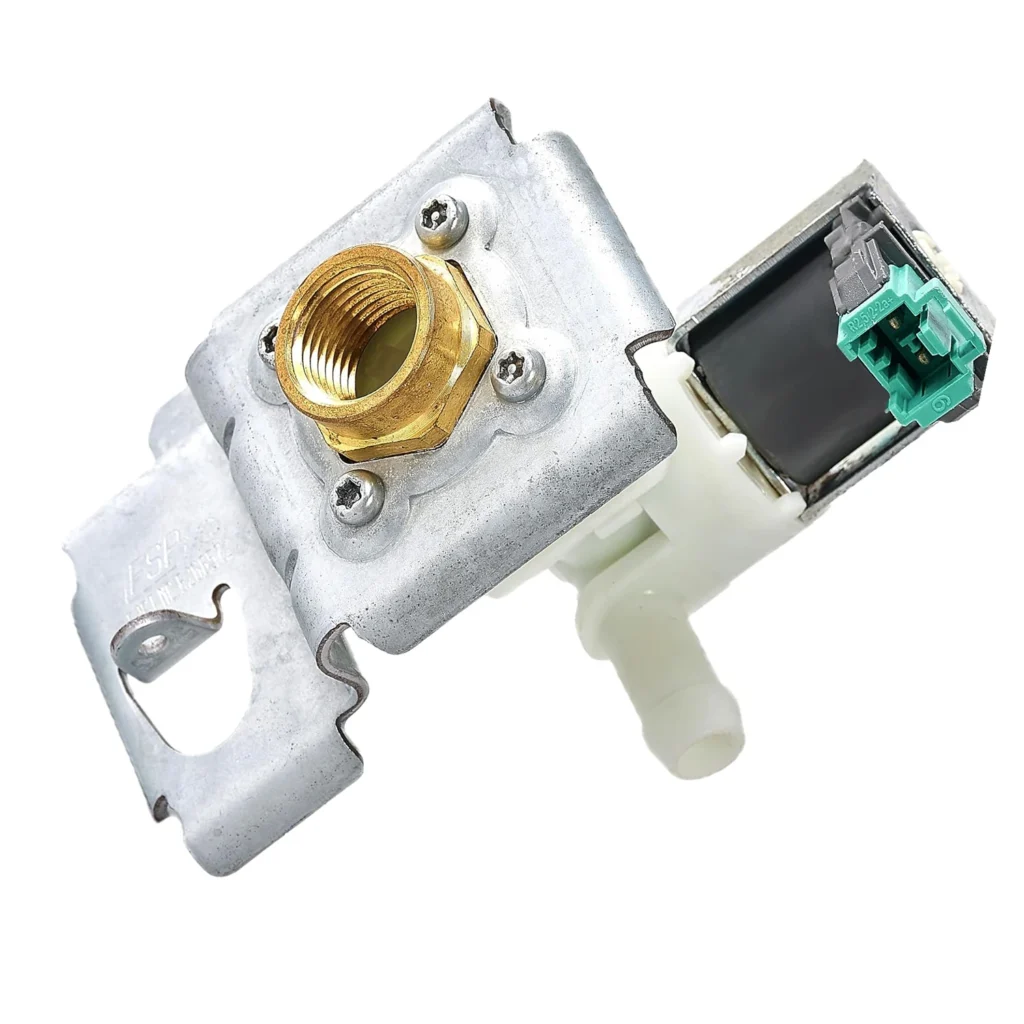
Most dishwasher water inlet valves fail between years 4-7, but you'll regularly see posts online from people dealing with a dead valve at year 3. The W10158389 valve in Whirlpool, KitchenAid, Kenmore, and Maytag dishwashers can last 8-10 years if you address the two things that kill it early: hard water mineral buildup and screen clogging.
How Long Should It Last?
Under normal conditions, the W10158389 valve should give you 7-9 years. The solenoid coils inside are rated for about 50,000 cycles — that's roughly 8 years if you run your dishwasher once daily.
But here's what actually affects lifespan:
- Water hardness: If you're above 10 grains per gallon, mineral deposits will coat the valve seat and screen, forcing the solenoid to work harder
- Supply pressure: Pressures above 120 PSI stress the diaphragm, causing premature cracking
- Sediment: Rust particles from old pipes embed in the screen, restricting flow even when the valve opens
- Temperature cycling: If your water heater sits right next to the dishwasher, heat cycling weakens the rubber components faster
Most people replace this part because they ignored early warning signs. The valve doesn't just suddenly fail — it telegraphs problems weeks or months ahead.
Signs It's Wearing Out
The W10158389 shows five distinct symptoms as it degrades. Catch any of these early and you can often clean rather than replace.
Leaking from the Valve Body
You'll see water pooling under the front left corner of your dishwasher. This happens when the internal diaphragm develops micro-tears. Initially it's just dampness after a cycle. Within 2-3 weeks, it becomes a steady drip during fill. The rubber loses flexibility from mineral exposure and temperature stress. Once it starts leaking, you're looking at replacement — diaphragms aren't sold separately.
Will Not Fill with Water
Your dishwasher hums like it's trying to start, but no water enters. Sometimes it'll partially fill then stop. The most common cause isn't a dead solenoid — it's a completely blocked inlet screen. Hard water deposits cement themselves onto the 60-mesh screen, reducing flow to a trickle. The dishwasher's control board sees insufficient fill and shuts down. Pull the valve and check the screen before assuming the solenoid failed.
Noisy Operation During Fill
A healthy valve opens silently. When you hear a buzzing, humming, or chattering sound during the first 30 seconds of a cycle, the solenoid plunger is sticking. Mineral deposits on the plunger shaft create friction. It's trying to open but dragging against crud. This is your 2-3 month warning before complete failure. Clean it now or plan to replace it soon.
Not Cleaning Dishes Properly
Dishes come out with food residue, especially on the upper rack. This seems unrelated to the inlet valve, but restricted water flow means the spray arms don't generate enough pressure. The valve might be opening, but only partially. Mineral buildup on the valve seat prevents full opening. You get maybe 60% of normal flow — enough to run a cycle, but not enough for proper cleaning.
Not Draining (Secondary Symptom)
If your valve is stuck slightly open, water continues seeping into the tub even when the dishwasher is off. The drain pump can't keep up with the continuous trickle. You open the door between cycles and find standing water. This usually happens after the valve has been marginal for months — the solenoid spring weakens and can't fully close the valve seat anymore.
When to Replace vs Maintain
Here's the honest breakdown: if you catch problems early, cleaning extends life significantly. If you wait until complete failure, replacement is your only option.
Clean and maintain if:
- The valve still fills the tub but cycles are 5-10 minutes longer than normal
- You hear slight humming during fill but it completes successfully
- Cleaning performance has gradually decreased over 2-3 months
- No visible leaks from the valve body
- The solenoid coil measures 500-1500 ohms (use a multimeter on the terminal connections)
Replace immediately if:
- Any visible leaking from the valve — the diaphragm is compromised
- Dishwasher won't fill at all after you've confirmed water supply and cleaned the screen
- Solenoid coil reads infinite resistance (open circuit) or near-zero (shorted)
- Valve body shows cracks or corrosion around the brass fittings
- Previous cleaning attempts didn't restore normal operation
One user noted: "Exactly like the original, easy install" — which tells you replacement isn't difficult when the time comes. But that same simplicity means you shouldn't hesitate to pull the valve for inspection and cleaning twice a year.
Frequently Asked Questions
How Often Should I Clean the Inlet Screen?
Every 6 months in normal water conditions, every 3 months if you have hard water above 10 grains per gallon. The screen sits behind the valve where your water line connects. Turn off water supply, disconnect the line, and you'll see a small plastic or metal screen. Soak it in white vinegar for 30 minutes to dissolve mineral deposits, then rinse under high pressure water. Takes 10 minutes total and prevents 80% of inlet valve failures.
Can I Use a Water Softener to Extend Valve Life?
Absolutely. A whole-house water softener nearly doubles inlet valve lifespan because it prevents the mineral deposits that cause most failures. If installing a whole-house system isn't practical, at least install an inline filter on the dishwasher's supply line. A $15 sediment filter catches rust particles and some minerals. Change it every 6 months. Not as effective as a softener, but still adds 2-3 years to valve life.
What Water Pressure Should My Dishwasher Have?
The W10158389 valve is designed for 20-120 PSI, with optimal performance at 40-60 PSI. If your house pressure exceeds 80 PSI, install a pressure regulator on the dishwasher supply line. High pressure forces the valve to work harder and stresses the internal diaphragm. Check pressure with a gauge at your outdoor spigot — if it reads above 80 PSI there, it's definitely too high at the dishwasher. A simple pressure regulator costs $25 and threads right onto your supply valve.
Element showing wear?
W10158389 · Replace before it fully fails