Free Shipping $49+
Factory Direct No Middleman
30-Day Returns
24/7 1-800-HEIMA-00
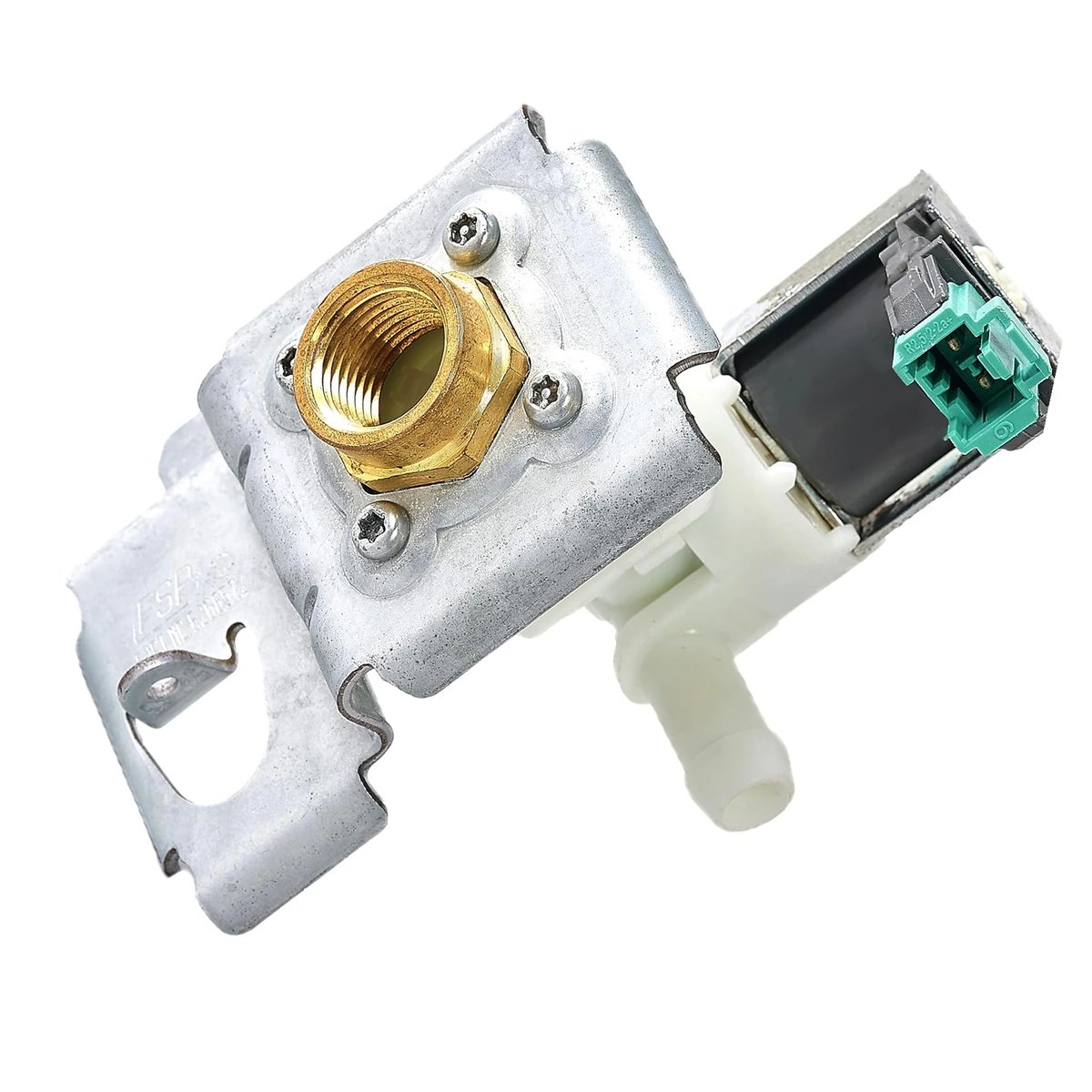
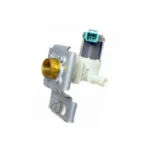
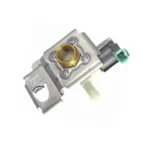
The water inlet valve solenoid has failed or its inlet screen is blocked by mineral deposits, preventing any water from entering the tub at the start of a cycle.
A partially clogged inlet screen or weak solenoid restricts flow, causing the dishwasher to underfill — dishes come out still dirty or the cycle aborts early.
A stuck-open or leaking solenoid valve allows water to flow continuously past the fill cycle, leading to overflow and water on the floor.
A degraded solenoid coil produces audible electrical noise when energized but fails to open the valve fully, resulting in noisy operation and poor fill performance.
Cracked valve body or deteriorated internal O-rings cause water to drip from behind the toe-kick access panel, especially visible after a fill or rinse cycle.
💡 Pro Tip: How to Tell If Your Water Inlet Valve Has Failed
Your part is likely the culprit if you notice any of the following:
⚠️ Dishwasher fills with no water or fills far too slowly
⚠️ Water runs continuously and the dishwasher overfills
⚠️ Loud humming or buzzing noise during the fill cycle
⚠️ Water leaking from beneath the toe-kick panel
Use a multimeter to check solenoid coil resistance across the valve terminals. An open circuit (OL) or very high resistance reading confirms a failed solenoid. Also inspect the inlet screen for hard-water mineral deposits — a clogged screen mimics valve failure.
📦 What's in the Box
✅ 1× Dishwasher Water Inlet Valve Assembly (120V / 60Hz, 3/8" inlet × 1/4" outlet)
We typically respond within 1 business day. Include your appliance model number for the fastest answer.
Disclaimer: Compatibility information, part numbers, and model fitment data on this page are sourced from manufacturer databases and third-party references. While we strive for accuracy, please verify your appliance model number before ordering. Heima is not responsible for errors or omissions in compatibility listings.

Reviews
There are no reviews yet.