
How to Extend Your Frigidaire Lid Lock Switch Assembly Life — Maintenance Guide
Always unplug washer before inspecting lid lock assembly. Never bypass or disable the lid lock — it prevents access to moving parts during operation.
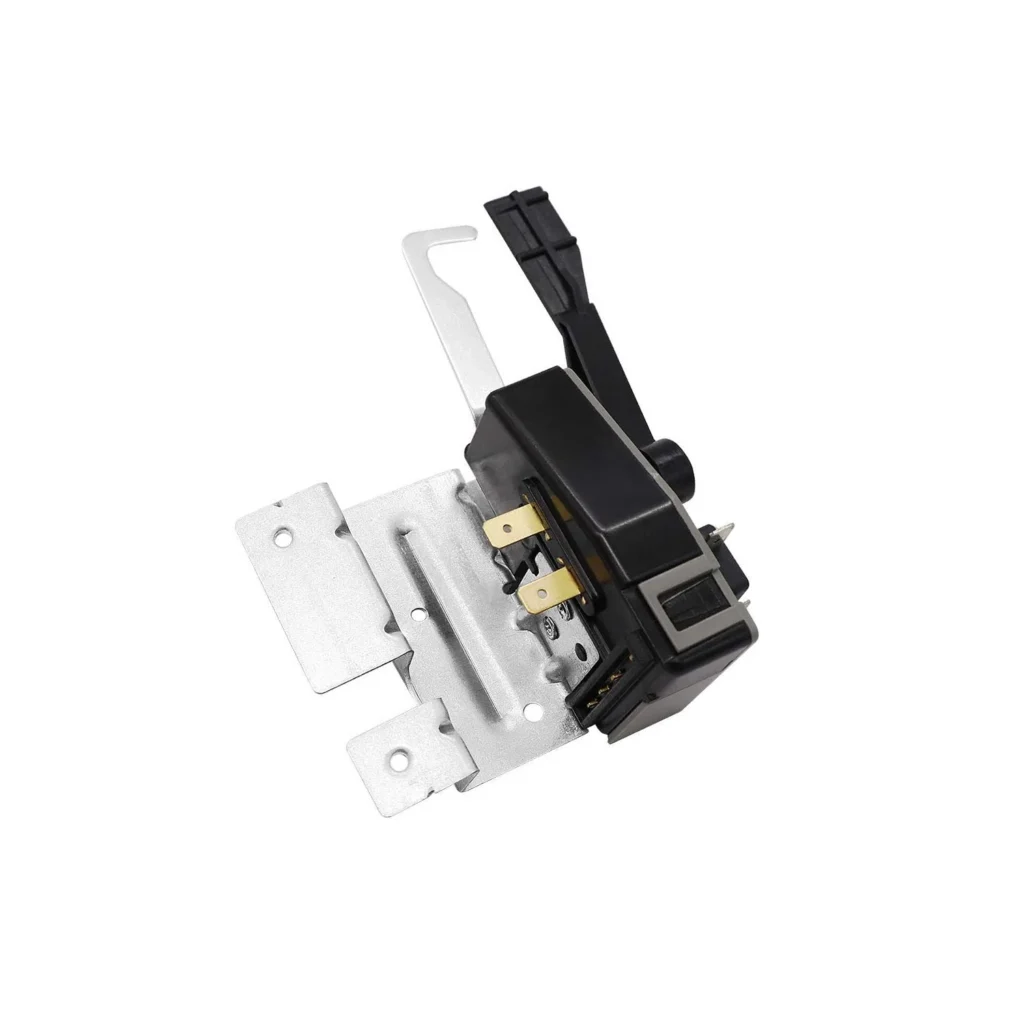
Here's a reality check: the lid lock switch assembly in your Frigidaire washer should last 7-10 years, but most homeowners replace them after just 3-4. The difference? A few simple habits that take less than five minutes a month.
The 134101800 lid lock assembly is one of those parts that fails quietly — until it doesn't. One day your FWS235RFS0 or FLSE72GCSA won't start because the control board thinks the lid's open when it's not. By then, you're ordering parts on a Saturday morning instead of doing laundry.
How Long Should It Last?
A typical lid lock switch assembly handles 3,000-5,000 cycles before wearing out. If you run 8-10 loads weekly, that's about 4-6 years. But here's what actually kills these switches early:
- Soap residue buildup — dried detergent creates resistance in the latch mechanism
- Moisture corrosion — steam from hot wash cycles seeps into electrical contacts
- Physical stress — slamming the lid or forcing it open during operation
- Load imbalance — excessive vibration loosens mounting screws over time
Models like the CRWS7900AS0 and SFWX703AS are particularly sensitive to moisture because their lid lock assemblies sit in a position that traps condensation.
Signs It's Wearing Out
The lid lock doesn't fail overnight. It gives you warnings — you just need to recognize them.
The Lock Clicks But Doesn't Engage
You hear the solenoid activate, but the latch doesn't fully extend. The washer door stays unlocked, and the cycle won't start. This happens when the mechanical latch inside gets sticky from detergent buildup or when the solenoid coil starts weakening. On models like the FWS235RBT3, you'll notice this starts intermittently — working fine on some cycles, failing on others.
Delayed Lock Response
You close the lid and wait... 5 seconds, 10 seconds, sometimes 20 before you hear the lock click. The switch contacts are corroding, creating electrical resistance. This delay gets progressively longer until one day it just doesn't lock at all. Check your Kenmore 417.90802990 or similar models every few months — if the delay exceeds 5 seconds, start planning a replacement.
The "Lid" Error Code Appears Randomly
Mid-cycle, your washer stops and flashes a lid error even though the lid hasn't moved. The switch contacts are making intermittent connection due to corrosion or loose wiring. This is especially common on the CRWS1879AS2 and CWS3600AS0 where the wiring harness connector can work loose from vibration.
Physical Damage to the Lid Strike
Look at the metal strike plate on your washer lid — if it's bent, cracked, or misaligned, it's putting extra stress on the lock assembly every cycle. You might not have symptoms yet, but you're wearing out the mechanism 2-3 times faster than normal.
When to Replace vs Maintain
Let's be honest: if you're getting error codes, it's usually too late for maintenance. But here's the decision framework:
Replace if:
- Lock physically won't engage even after cleaning
- Electrical continuity test shows open circuit
- Plastic housing is cracked or melted
- Washer is 6+ years old and showing symptoms
Maintain if:
- Lock responds but feels sticky or slow
- You hear clicking but see minor hesitation
- Washer is under 3 years old with occasional issues
- You caught the problem early during routine inspection
The 134101800 assembly costs around $25-35. If you're borderline, just replace it. Two hours of troubleshooting canceled laundry plans costs more than the part.
Frequently Asked Questions
Can I manually unlock the lid if the switch fails during a cycle?
Yes, but you need to unplug the washer first for safety. Most Frigidaire and Kenmore models have a manual release tab — a small orange or yellow pull tab near the lock assembly under the top panel. Pull it gently while lifting the lid. Never force the lid open with the washer plugged in or while water's inside.
Will using liquid detergent instead of powder help the lid lock last longer?
Absolutely. Powder detergent leaves more residue around the lid area, especially if you're overdosing or using cold water cycles. Liquid detergent reduces buildup by about 60-70%. If you prefer powder, run an empty hot cycle with vinegar monthly to dissolve accumulated residue around the lock mechanism.
My lid lock works fine but makes a loud clicking noise — is that normal?
No. A healthy lid lock should click once, firmly. Repeated clicking or a grinding sound means the solenoid is trying to engage but something's blocking the latch — usually dried detergent or a bent strike plate. Clean the mechanism thoroughly and inspect the strike. If the noise continues, the solenoid itself is failing and you'll need a replacement soon.
Element showing wear?
134101800 · Replace before it fully fails