
How to Extend Your Dryer Thermal Fuse Life — Maintenance Guide for 40113801
Never bypass a thermal fuse. It's a critical safety device that prevents dryer fires. Always identify and fix the cause of overheating before replacing the fuse.
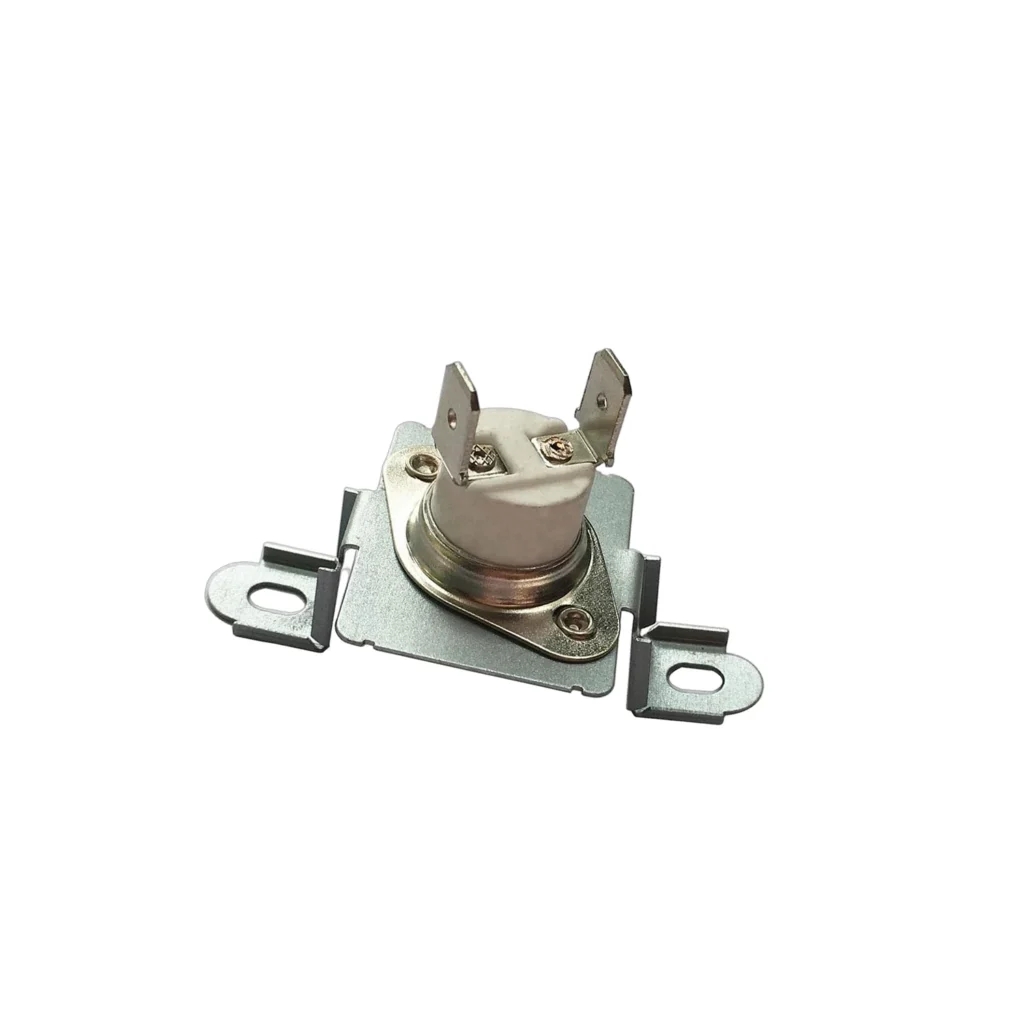
Here's the thing about thermal fuses in Whirlpool, Maytag, and Amana dryers: they're designed to blow. This isn't a part that wears out gradually—it's a one-shot safety device. When your dryer overheats beyond safe limits, the 40113801 thermal fuse trips once and never resets. You might get 5 years out of one, or 5 months, depending entirely on what else is happening inside your dryer.
The real question isn't how to maintain the fuse itself—you can't. It's how to maintain the conditions that keep it from blowing in the first place. Because every time you replace one without fixing the underlying problem, you're just buying yourself a few more loads before it trips again.
How Long Should It Last?
In ideal conditions, a thermal fuse should last the lifetime of your dryer—10 to 15 years. But that rarely happens because most homeowners don't realize their dryer is slowly choking to death on lint buildup.
The 40113801 fuse is calibrated to trip at a specific temperature threshold (usually around 185-220°F depending on location in the vent system). When airflow restriction causes heat to spike, it sacrifices itself to prevent a fire. That's actually good engineering, but it means the fuse's lifespan is directly tied to your maintenance habits.
Three factors kill thermal fuses prematurely:
- Clogged lint screens and ducts — accounts for about 80% of blown fuses
- Restricted outdoor vent — bird nests, vent flaps stuck closed, crushed flex ducts
- Failed heating element cycling — when thermostats fail, the element stays on too long
If you've replaced this fuse more than once in a year, you're treating symptoms instead of causes.
Signs It's Wearing Out (Or Already Gone)
Unlike parts that gradually degrade, thermal fuses fail instantly. There's no warning period. But you can spot the conditions that lead to failure before it happens.
Too Hot — Excessive Heat Coming From Dryer
If your laundry room feels like a sauna when the dryer's running, or the top of the machine is uncomfortably hot to touch, you're already in the danger zone. The thermal fuse hasn't blown yet, but it's being repeatedly stressed by heat spikes. On models like the MEDC400VW0 or PDET910AYW, you'll notice this especially if you run multiple back-to-back loads.
Check your vent duct while the dryer's running. If barely any air is coming out the exterior vent, you've got minutes to hours before that fuse trips.
Not Heating — The Fuse Already Blew
This is the most common symptom. Your dryer tumbles normally, sounds normal, but clothes stay cold and damp no matter how long you run it. That's because the thermal fuse is wired in series with the heating element—when it blows, it breaks the circuit completely.
You can verify this with a multimeter. The fuse should show continuity (zero resistance) when good, infinite resistance when blown. On Admiral models like the ADE7005AYW, it's located on the blower housing, easy to test once you remove the front panel.
Won't Start — Less Common, But Possible
On some Maytag configurations like the MDG3706AWW and MDGT446AWW, a blown thermal fuse can prevent the dryer from starting at all. This happens when the fuse is wired into the control circuit rather than just the heating circuit. The control board sees an open circuit and refuses to run.
If your dryer is completely dead—no lights, no sounds, nothing—check the thermal fuse before assuming it's the control board. It's a $10 part versus a $200+ board.
When to Replace vs Maintain
This is straightforward: once the thermal fuse blows, you must replace it. There's no resetting, repairing, or bypassing (and never, ever bypass a thermal fuse—that's how house fires start).
But here's the maintenance strategy that actually matters:
Before replacing the fuse: Find out why it blew. Pull the entire vent system apart and clean it thoroughly. Check the outdoor vent hood. Inspect the heating element for breaks or shorts. Test the cycling thermostat. If you just swap the fuse and button it back up, you'll be back here in a month.
After replacement: Run the dryer empty for 10 minutes and monitor the exhaust. You should feel strong, steady airflow outside. The dryer shouldn't be excessively hot to touch. If either condition fails, keep troubleshooting.
The 40113801 costs $10.99. Cleaning your vent system costs you an hour of time. A house fire costs everything. Do the math.
Frequently Asked Questions
Can I test a thermal fuse before it fails?
Yes, with a multimeter set to continuity or resistance mode. Remove one wire from the fuse and test across its terminals. You should get a reading of zero ohms (or a continuity beep). If you get infinite resistance or no beep, it's already blown. But here's the catch: a good reading today doesn't tell you it won't blow tomorrow if your vent is restricted.
Why does my dryer keep blowing thermal fuses every few months?
Because you're replacing the fuse without fixing the underlying overheating condition. The three most common causes: completely clogged vent duct (check the entire run, not just the first few feet), failed cycling thermostat that's letting the heating element run too long, or a heating element that's partially shorted and drawing too much current. On models like the MDE208DAYW and SDG3606AWW, also check for a blocked blower wheel—lint wraps around it and chokes airflow.
Is it normal for the thermal fuse location to be hot during operation?
Warm, yes. Hot enough to burn you, no. The fuse is typically mounted on the blower housing or duct, so it will be noticeably warmer than room temperature. But if you can't hold your hand on that area for more than a second or two, your dryer is running too hot and that fuse is living on borrowed time. Shut it down and clear your vents before running another load.
Element showing wear?
40113801 · Replace before it fully fails