
How to Extend Your Dryer Leveling Leg Life — Maintenance Guide
Always disconnect power and gas (if applicable) before moving or adjusting dryer. Never slide dryer across floor while connected.
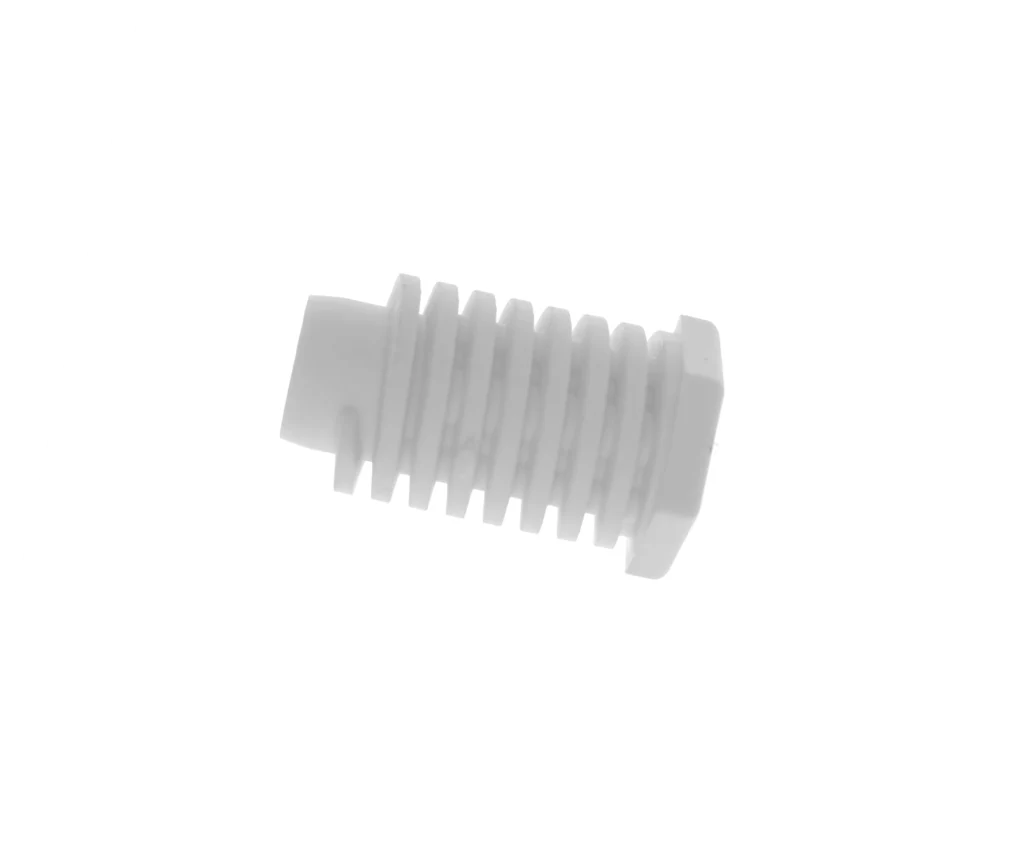
Most dryer leveling legs should last 10-15 years, but I've seen them fail in as little as 18 months. The difference? Usually comes down to three things: floor moisture, how often you move the dryer, and whether anyone's ever actually checked if the dryer's still level.
If you've got a Whirlpool WED4815EW, Maytag MEDC465HW, or any of the 200+ compatible models that use the 49621 leveling leg, this isn't just about the $9.99 part. It's about preventing the real damage that happens when your dryer isn't level — drum bearing wear, belt misalignment, and that god-awful thumping noise at 2 AM.
How Long Should Leveling Legs Last?
Under normal conditions, dryer leveling legs like the 49621 (which replaces AP4295805, PS1609293, 279810, and WP279810) should outlast the dryer itself. They're simple threaded plastic feet with metal inserts — there's not much to break.
But here's what actually kills them:
- Floor moisture: Laundry rooms are humid. If you've got a concrete basement floor, condensation can make the threads seize or the plastic crack.
- Over-tightening: When people adjust the legs to level the dryer, they'll crank them way too tight. The plastic housing can crack around the threads.
- Moving the dryer: Dragging it across tile or concrete grinds down the foot. I've seen legs worn at a 30-degree angle after someone repositioned their dryer a few times.
- Never checking level: Dryers shift over time. The vibration during spin cycles slowly works the legs loose or deeper into the floor.
With proper care, you're looking at 12-20 years. Without it? You'll replace them every 3-5 years, or deal with the consequences of an unlevel dryer much sooner.
Signs Your Leveling Legs Are Wearing Out
The primary symptom of failing leveling legs is noise — specifically a rhythmic thumping or banging during the spin cycle. But let's break down what's actually happening:
The Dryer Rocks When You Push It
Put your hand on top of the dryer and push down on each corner. If any corner compresses more than about 1/4 inch, or if the dryer rocks side to side, the legs aren't providing stable support anymore. Either they've compressed, cracked, or worked themselves loose.
On models like the Maytag MEDX655DW or Whirlpool WED9200SQ0, you can usually see the gap under the corner that's lifting. Use a level across the top — front to back, then side to side. More than 1 degree off and you're asking for problems.
Visible Cracks or Thread Damage
Get down and look at each leg. The plastic housing on the 49621 can crack where it meets the metal base of the dryer, especially if someone over-tightened it. You'll see hairline cracks radiating from the threaded insert.
The threads themselves can strip if the leg's been adjusted repeatedly. If you try to turn the leg and it just spins without moving up or down, the threads are shot.
Uneven Wear on the Foot
The bottom of each leg should be flat and even. If you've got one that's worn at an angle, or the plastic foot is actually torn or missing chunks, that leg isn't distributing weight properly anymore. This is common on dryers that have been slid across rough floors.
Persistent Noise Even After Releveling
You releveled the dryer, but it's still noisy during spin. That's often a sign the leg itself is internally damaged — the threaded insert has pulled loose from the plastic housing, or there's a crack you can't see. The leg can't hold position anymore.
Actual Maintenance Tasks That Matter
Here's what'll keep these legs working for the life of your dryer:
Every 6 months: Check level with an actual level, not just eyeballing it. Put the level front-to-back on top of the dryer, then side-to-side. Adjust legs as needed. Don't crank them tight — just snug enough to hold position.
Every year: Pull the dryer out (disconnect it first) and inspect each leg. Look for cracks, thread damage, and uneven wear. Clean any lint or debris from the threads. If you've got a humid laundry room, consider putting down a moisture barrier or running a dehumidifier.
Before any move: If you need to reposition the dryer, lift it — don't slide it. Even a few inches of dragging can take years off the legs. Use a furniture dolly if you've got to move it more than a foot.
When adjusting height: Turn the leg, not the dryer. People try to spin the whole dryer to thread the leg up or down, which torques the leg sideways and can crack the housing. Hold the dryer still and turn just the leg.
When to Replace vs. Maintain
Be honest about this: if the leg has any visible cracks, stripped threads, or significant uneven wear, just replace it. The 49621 is $9.99. The drum bearing you'll wreck by running an unlevel dryer for six months? That's a $200+ repair on a Maytag MEDB850WL or Whirlpool WED8300SW1.
Replace when:
- You see cracks in the plastic housing
- Threads are stripped or the leg spins freely
- The foot is worn unevenly or damaged
- You can't get the dryer level no matter how you adjust
- The leg won't hold position and slowly works itself loose
Keep maintaining when:
- The legs are intact with no visible damage
- The dryer holds level after adjustment
- Threads turn smoothly and hold position
- All four feet make solid contact with the floor
Here's the thing about leveling legs: they're cheap insurance. If you're not sure, replace them. I've never had anyone tell me they regretted replacing a questionable leveling leg, but I've had plenty tell me they wish they had before their dryer beat itself to death.
Frequently Asked Questions
How do I know if my dryer being unlevel is actually causing damage?
Listen for rhythmic thumping during spin — that's the drum hitting the cabinet because the center of gravity is off. Check your lint filter area for scuff marks or metal shavings. Look inside the drum for uneven wear patterns on the rear felt seal. On models like the Whirlpool WED5000DW2 or Kenmore models using this leg, even 2-3 degrees off level can cause the drum to ride up on one side, accelerating wear on the bearing and rollers.
Can I use aftermarket leveling legs or do I need OEM parts?
The 49621 is technically an aftermarket replacement that works across Whirlpool, Maytag, KitchenAid, Kenmore, and Amana dryers. It replaces OEM part numbers AP4295805, PS1609293, 279810, W10823505, and WP279810. The quality's good — same materials as OEM. What matters is the thread pitch and height range match your dryer model. For the 200+ compatible models listed (including WED9050XW, MGDE400XW, and GEW9250PW1), this part's a direct fit.
My dryer is level but one leg doesn't touch the floor — is that okay?
No. All four legs need to make contact, even if one's just barely touching. Three-point support puts uneven stress on the cabinet and can cause the drum to wobble during spin. Adjust the floating leg down until it makes contact, then recheck level and adjust the others as needed. On heavy dryers like the Maytag MGDZ600TW or Whirlpool IGD4100SQ, three-point support can actually bend the cabinet frame over time.
Element showing wear?
49621 · Replace before it fully fails