
How to Extend Your Whirlpool Bake Element Life — W10779716 Maintenance Guide
ALWAYS unplug the oven before any maintenance or testing. Never use a multimeter with the appliance plugged in.
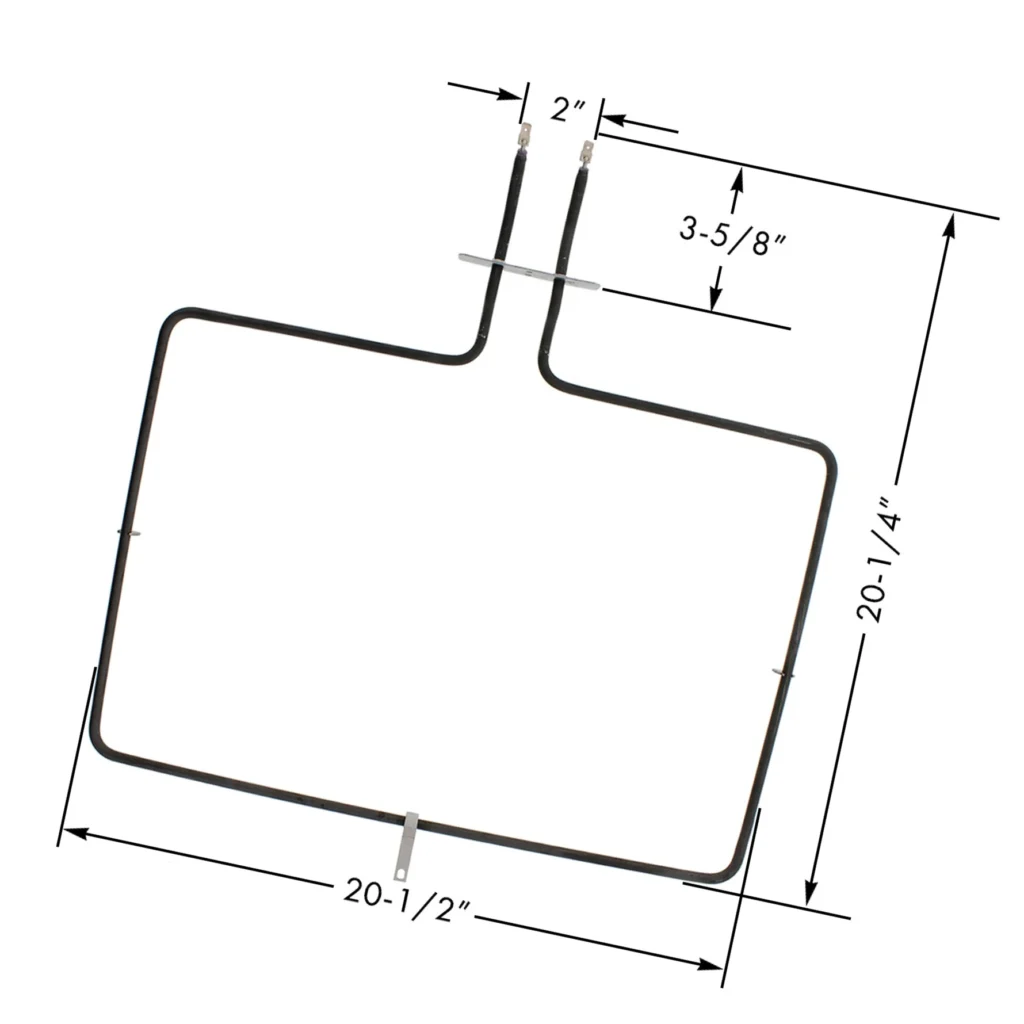
A bake element should last 10 years. Most don't make it past 4. One KitchenAid owner replaced theirs after just four years — burned through on the back left corner. The previous oven in the same kitchen? Ten years before needing replacement. What's the difference? How you use it and how you maintain it.
The W10779716 bake element (also known as AP5970727, W10289097, W10774342, PS11703285) fits dozens of Whirlpool, Maytag, KitchenAid, and Jenn-Air models — from WEC530H0DB0 to WFE540H0AB1. It's rated at 1080 Ohms at room temperature and should preheat your oven to 450°F in 12-15 minutes. When it starts taking longer, you're already losing efficiency.
How Long Should It Last?
Manufacturer specs suggest 8-10 years under normal use. Reality? Most homeowners replace them every 4-7 years. The lifespan depends on three main factors:
- Self-clean cycle frequency: Each cycle runs the element at maximum temperature for 2-4 hours straight — equivalent to weeks of normal baking
- Temperature cycling: Rapid heating and cooling causes metal fatigue in the coils
- Spill exposure: Sugary spills and acidic foods corrode the element's protective coating
One user reported deterioration on one side of the element after four years. Another found the back left corner completely burned through. Both scenarios are preventable with proper maintenance.
Signs It's Wearing Out
Don't wait until complete failure. These early warning signs tell you maintenance is overdue:
Inconsistent Baking Results
If cookies on one side of the pan brown faster than the other, or your cakes dome unevenly, the element isn't distributing heat properly anymore. This happens when part of the coil develops higher resistance due to corrosion or minor damage.
Temperature Won't Hold or Takes Forever to Preheat
One owner noticed their oven wouldn't get above 325°F. Another found preheating took significantly longer than the standard 12-15 minutes. When a healthy element starts showing 15+ minute preheat times, it's developing weak spots. Testing with a multimeter should show 1080 Ohms at room temperature — anything significantly higher indicates deterioration.
Visible Damage or Discoloration
Look through the oven window during preheat. The element should glow evenly across its entire length. Dark spots, sections that don't glow, or visible breaks are obvious problems. But subtle signs matter too: white powdery deposits, unusual darkening on one section, or slight sagging in the middle.
Unusual Smells During Operation
A burning smell that's not from food residue often means the element's protective coating is degrading. This accelerates corrosion and leads to early failure.
When to Replace vs Maintain
Here's the honest truth: once you see physical damage — burns, breaks, or sections not glowing — replacement is your only option. Elements aren't repairable. But catching problems early through regular maintenance extends life significantly.
Replace immediately if:
- Any section doesn't glow during heating
- Visible cracks, burns, or breaks in the coil
- Multimeter shows no continuity or Ohms reading wildly different from 1080
- Oven can't reach temperature even after cleaning and checking ventilation
Maintenance can help if:
- Slight performance decline but element still glows evenly
- Baking results slightly inconsistent
- Heavy buildup on element surface
- Preheat times gradually increasing (but still under 20 minutes)
The replacement process takes 15-30 minutes. You'll need a Phillips screwdriver and — this is critical — you must unplug the oven first. Several users emphasized this safety step. One noted: "DO NOT use a multimeter with the stove plugged in — that's from the multimeter manual."
Frequently Asked Questions
How often should I clean around the bake element?
After every spill, immediately. Once spills bake onto the element, they create hot spots that accelerate wear. For general maintenance, inspect and wipe the area monthly. One user mentioned spending more time cleaning under and around the oven during replacement than actually replacing the element — that accumulated grime shortens element life.
Can I use the self-clean cycle to maintain the element?
Ironically, no. Self-clean cycles are the hardest thing you can do to a bake element. The extreme temperatures (900°F+) stress the metal significantly. Limit self-cleaning to 2-3 times per year maximum. Manual cleaning between is far gentler on the element.
Why did my element only last four years when others last ten?
Usage patterns make the difference. Heavy bakers, frequent self-cleaners, and those who don't clean spills promptly see 4-6 year lifespans. Light users who maintain their ovens regularly get 10+ years. The element itself hasn't changed — how you treat it has.
Element showing wear?
W10779716 · Replace before it fully fails