
How to Extend Your Samsung Washer Drain Pump Life — DC31-00180A Maintenance Guide
Always disconnect power before accessing pump components. Standing water can spill from filter housing — keep towels ready.
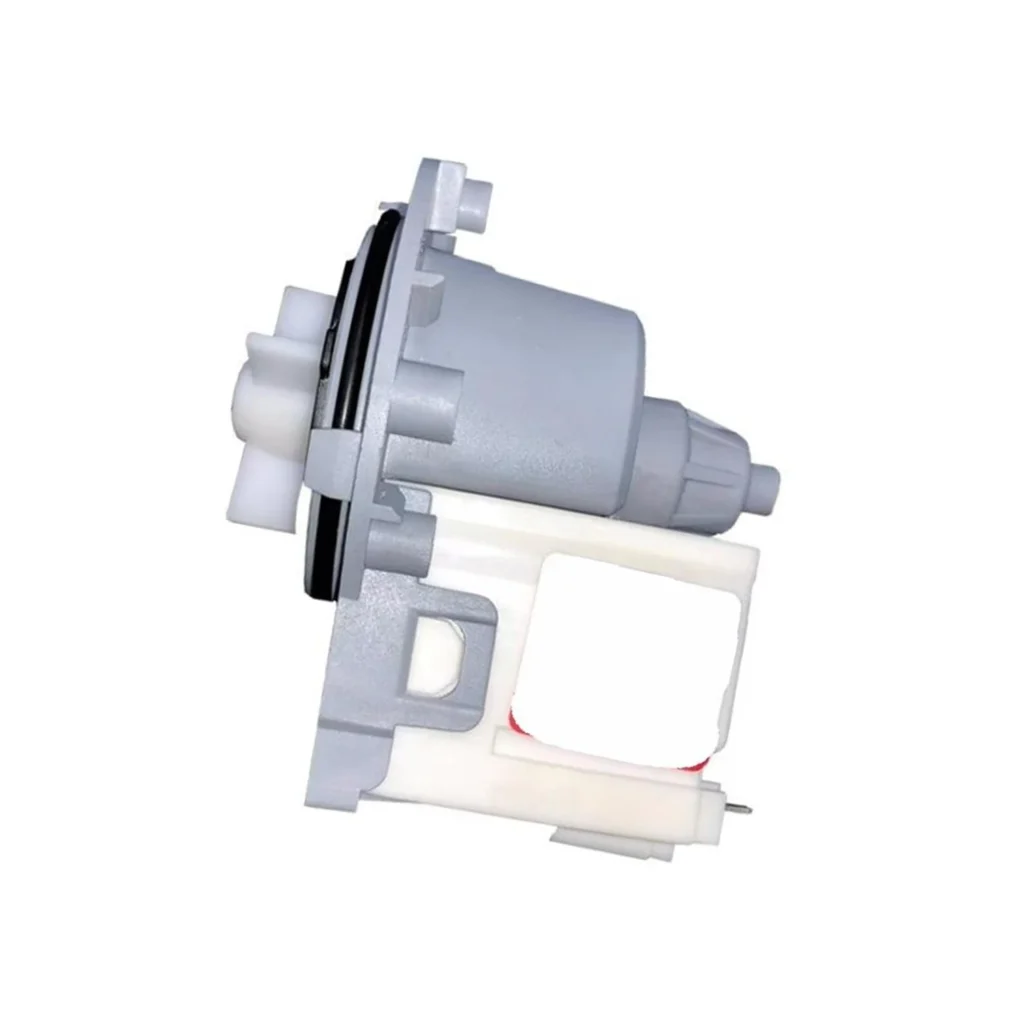
Most Samsung washer drain pumps fail between years 5 and 7, but the DC31-00180A can push past 10 years with basic maintenance. The difference? Monthly debris checks and yearly filter cleaning. If you're hearing grinding noises or seeing slow drainage on your WW80J5355MW or WF1802WPC, your pump's probably working three times harder than it should be.
How Long Should It Last?
Samsung's DC31-00180A drain pump motor typically runs 60,000 to 80,000 cycles before showing wear. That's about 6-8 years for a household doing 5-6 loads weekly. But here's the catch — lint, coins, and fabric softener buildup can cut that lifespan in half.
The pump impeller spins at 3,000 RPM during the drain cycle. Every sock fiber, button fragment, or detergent residue creates friction that wears down the motor bearings. Over time, you'll notice longer drain times or that distinctive whining sound that means the pump's working too hard.
With proper care, you're looking at 10-12 years instead of 5-6. That's an extra $90-180 in replacement costs you don't have to spend.
Signs It's Wearing Out
Your DC31-00180A will tell you when it's struggling — you just need to know what to listen for.
Grinding or Humming That Won't Stop
If your washer makes a continuous grinding noise during drain cycles, the pump impeller's hitting debris. It'll sound like marbles rattling in a jar. This isn't always pump failure — sometimes it's just a bobby pin wedged in the impeller housing. But if you ignore it, that bobby pin will crack the impeller blades within a month.
Water Stays in the Drum After Cycle
Standing water means the pump can't generate enough pressure to push water through the drain hose. Could be a clogged filter, kinked hose, or worn impeller. Check the filter first — it's usually the culprit on models like the WW70J42131W and WW90J5355MW.
Error Codes 4E, 5E, or OE
These drainage error codes don't automatically mean pump failure. Samsung's control board throws these codes when water doesn't drain within the expected timeframe. Could be the pump, could be a blocked coin trap, could be a pressure sensor issue. But if you're seeing 5E repeatedly after cleaning the filter? The pump motor's weakening.
Burning Smell During Drain Cycle
This one's serious. A burning electrical smell means the motor windings are overheating — usually from running dry or working against a blockage for too long. Once you smell this, replacement's your only option. The insulation's already compromised.
Monthly Maintenance Routine
Set a phone reminder for the first Sunday of each month. This 5-minute check prevents 90% of drain pump failures.
Check the Debris Filter
On Samsung front-loaders like the WF0702WKW and WF9702N3W, the filter's behind a small door at the bottom right. Unscrew it counterclockwise — water will spill out, so keep a towel and shallow pan ready. You'll find coins, lint clumps, and that missing sock. Rinse the filter under hot water, scrub the housing with an old toothbrush, then reinstall it snugly.
If the filter's bone-dry when you open it, that's actually bad news. It means water's bypassing the trap through a broken seal.
Run a Hot Maintenance Cycle
Once monthly, run an empty cycle on the hottest setting with two cups of white vinegar. This dissolves detergent residue inside the pump housing and drain lines. Skip the detergent — you're cleaning the machine, not clothes.
Inspect Drain Hose Connection
Pull the washer away from the wall slightly. Check where the drain hose connects to the pump — if you see moisture or white crusty buildup, tighten the hose clamp. A slow leak here means the pump's working against back-pressure, which burns out the motor prematurely.
Yearly Deep Maintenance
Once a year, go deeper. This prevents the issues that monthly checks miss.
Clean the Pump Filter Housing
Remove the filter completely and shine a flashlight into the housing. You're looking for fabric buildup around the impeller. Use needle-nose pliers to pull out any threads or debris you can reach. On models like the WD80K6410OW and WF8804RPW, the impeller should spin freely when you push it with your finger — if there's resistance, something's wrapped around the shaft.
Check Impeller Condition
While the filter's out, manually spin the impeller. It should rotate smoothly with a slight magnetic resistance. If you feel grinding, clicking, or significant wobble, the bearings are wearing out. You've got maybe 6 months before failure.
Inspect Electrical Connections
Unplug the washer first — this is non-negotiable. Remove the lower access panel and locate the pump (it's where the drain hose connects). Check the wire harness connector for corrosion or burn marks. Wiggle it gently — if it feels loose, wrap electrical tape around it for a snugger fit. Moisture here causes intermittent failures that'll drive you crazy troubleshooting.
What Kills Drain Pumps Fastest
Avoid these if you want your DC31-00180A to last:
Overloading the washer. That extra towel seems harmless, but it holds water that makes the pump work harder. Samsung's load sensors can't always catch this on older models.
Using too much detergent. More soap doesn't mean cleaner clothes — it means sludge buildup in the pump housing. Use half what the bottle says, especially with HE detergent.
Washing heavily soiled items without rinsing first. Pet bedding, muddy work clothes, cloth diapers — rinse the worst off in a utility sink before loading them. You're not trying to wash mud and grass through a $90 pump.
Ignoring small objects in pockets. Coins, screws, buttons — they don't dissolve. Eventually they'll jam the impeller or crack the housing. Check pockets every single load.
When to Replace vs Maintain
Be honest about what you're hearing and seeing.
Replace the pump when you've got continuous grinding after cleaning the filter, burning smells, or the motor won't start at all. If error codes persist after you've checked hoses and cleaned filters, the motor windings are probably shot.
Keep maintaining when drainage's just slower than usual, you're hearing occasional gurgling (air in the lines, not pump failure), or error codes clear after cleaning the filter.
The DC31-00180A replacement runs $89.99. If you're considering professional repair, that's $200-300 with labor. Do the math — if your washer's older than 8 years and showing multiple issues, replacement might make more financial sense than repair.
Frequently Asked Questions
How often should I clean the drain pump filter on my Samsung washer?
Check it monthly if you wash heavily soiled items or have pets. For normal household use, every 6-8 weeks is sufficient. The key isn't rigid scheduling — it's checking before lint and debris compact into a solid mass that blocks water flow. If you wait until error codes appear, you're already behind.
Can I use drain cleaner to clear my washer pump?
Absolutely not. Chemical drain cleaners will corrode the plastic pump housing and rubber seals. They're designed for metal pipes, not appliance components. Stick with hot water, white vinegar, or mechanical removal of debris. If vinegar won't dissolve the blockage, it needs to be pulled out manually.
Why does my Samsung washer drain pump work intermittently?
Intermittent operation usually means loose electrical connections or a worn wire harness. The pump gets voltage, works for a cycle or two, then the connection wiggles loose from vibration. Check the connector at the pump — if it's corroded or the pins look worn, replace the wire harness before replacing the pump itself. Nine times out of ten, that fixes intermittent failures.
Element showing wear?
DC31-00180A · Replace before it fully fails