
How to Extend Your Dryer Belt Life — 40111201 Maintenance Guide
Always disconnect power before accessing internal dryer components. Belt replacement requires removing panels and accessing moving parts — serious injury can occur if the machine starts during service.
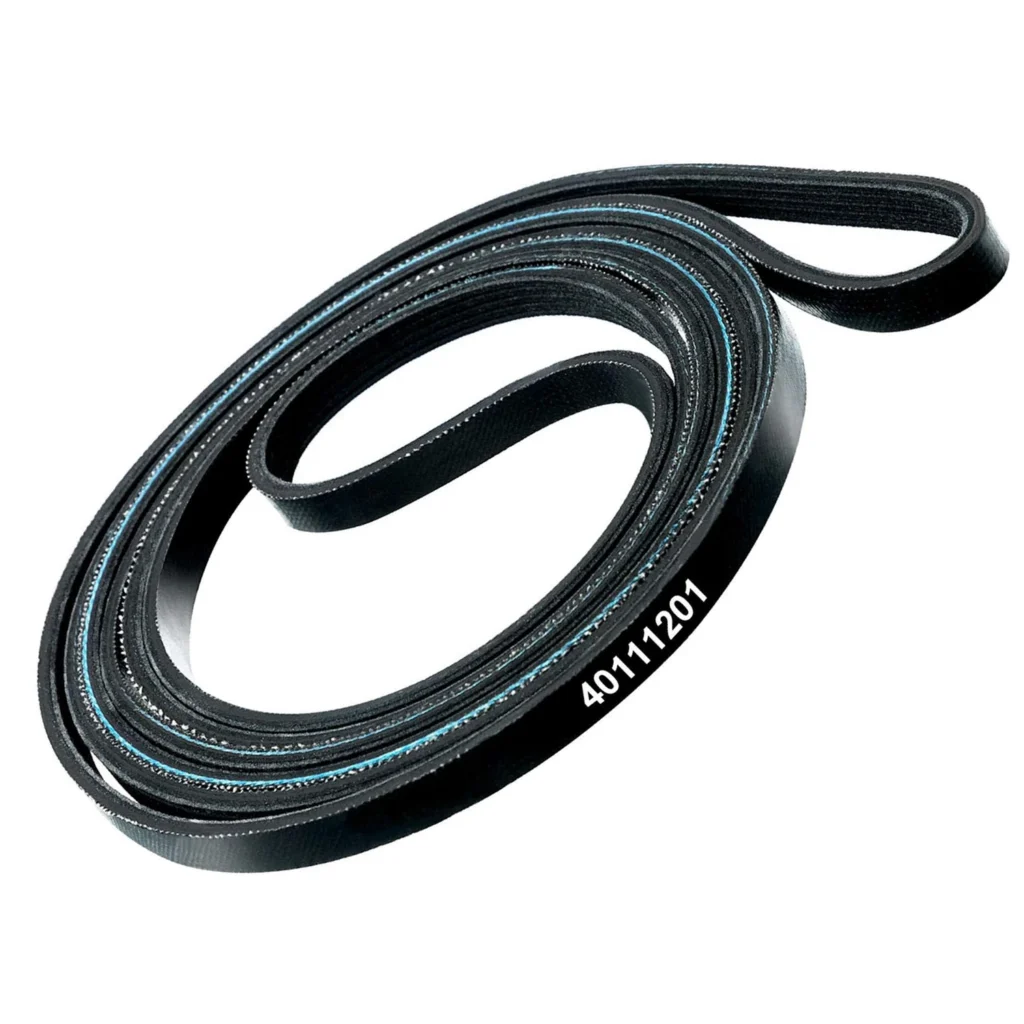
Most dryer belts last 10-15 years, but I've seen them fail in under 5. The difference? Usually how hard the machine works and what you're drying. That squealing noise you hear once a month? It's not normal — it's your belt telling you something's wrong before it snaps and leaves you with a dryer full of wet towels.
The 40111201 belt is one of those parts that works silently until it doesn't. It's compatible with Whirlpool, Maytag, Amana, Admiral, and Speed Queen dryers — models like the Maytag MDE3706AYW or Amana ALE643RAW. When it goes, you'll know immediately because your drum won't turn at all.
How Long Should It Last?
A properly maintained dryer belt should give you 10-15 years of service. I've replaced belts on 20-year-old machines that were still technically functional, just stretched beyond spec. The belt itself is made of reinforced rubber with a ribbed inner surface that grips the drum. Over time, heat cycles and friction wear it down.
What affects lifespan? Three main factors: how often you run the dryer, what you're drying, and whether your drum rollers are shot. Heavy loads of jeans and towels create more resistance than lighter fabrics. A dryer running twice daily will wear through belts faster than one used a few times weekly. And if your drum rollers are grinding and squeaking, they're adding drag that ages the belt prematurely.
The good news is that unlike electronics, you can actually see and hear a belt wearing out. It'll start showing cracks, develop a glaze on the surface, or begin slipping under load. Catching these signs early means you replace it on your schedule, not when you've got a machine full of wet clothes and dinner guests arriving in an hour.
Signs It's Wearing Out
Here's what to watch and listen for. These symptoms progress gradually, so you'll usually have weeks or months of warning before complete failure.
Squealing or Squeaking During Operation
This is the earliest warning sign. A healthy belt runs silent. When you hear squealing — especially during startup or with heavy loads — the belt's either glazed over, slightly loose, or the drum rollers need attention. Sometimes it's just dust buildup, but more often it means the rubber's hardening from heat exposure. Pull the drum out and inspect the belt surface. If it's shiny instead of matte, it's glazed and slipping.
Visible Cracks or Fraying on the Belt Surface
Open your dryer and look at the belt (you'll need to remove the front or top panel depending on your model). Fresh belts have a consistent texture across the ribbed surface. As they age, you'll see hairline cracks running perpendicular to the belt length. These start shallow but deepen with use. Once cracks penetrate halfway through the thickness, you're on borrowed time. Fraying along the edges is another red flag — the belt's being pulled off-center by misaligned pulleys or worn rollers.
Drum Hesitates or Slips When Starting
Hit the start button and watch through the door. Does the drum jerk before it gets moving? Does it occasionally slip and stop mid-cycle, then restart when you redistribute the load? That's a stretched or worn belt losing grip on the drum. The belt's supposed to maintain constant tension through the idler pulley. When it stretches beyond spec, the idler can't compensate anymore and you get intermittent slipping.
Complete Drum Failure
Motor runs, heat works, but the drum sits still. That's a snapped belt. Usually happens after ignoring the earlier symptoms, though occasionally a defective belt or seized roller will cause premature failure. When this happens, you're looking at the same repair process either way — might as well replace the rollers and tensioner while you're in there.
Maintenance Schedule That Actually Works
You can't lubricate or adjust a dryer belt — it either works or it doesn't. But you can extend its life significantly by maintaining the components around it.
After each use: Clean the lint screen completely. Seems unrelated, but restricted airflow makes the dryer run longer and hotter, which ages the belt faster. Also check for wet clothes after a normal cycle — if they're still damp, something's wrong and needs diagnosis before you damage the belt.
Every 3 months: Vacuum inside the dryer cabinet. Pull out the lint screen and use a crevice tool to clean the duct behind it. Dust and lint buildup on the belt and rollers creates friction and heat. Takes five minutes and prevents 80% of premature belt wear.
Twice yearly: Inspect the drum rollers and idler pulley. Pull the front panel (or top, depending on model) and manually spin the drum. It should rotate smoothly and quietly. Grinding, clicking, or resistance means worn rollers. The idler pulley should have smooth movement without wobble. These parts cost $30-50 total and take 30 minutes to replace — cheap insurance for your $16 belt.
Annually: Pull the belt off and inspect it thoroughly. Look for cracks, glazing, stretching (compare to a new belt's length), and uneven wear patterns. Check the motor shaft and all pulley surfaces for roughness or buildup. Clean everything with a dry cloth. If the belt looks questionable, replace it now rather than waiting for failure.
When to Replace vs Keep Running
Replace immediately if you see: cracks deeper than 1/8 inch, significant fraying, chunks missing from the ribs, or obvious stretching. Replace soon if you notice: surface glazing, persistent squealing that doesn't respond to cleaning, or visible wear patterns showing off-center tracking.
Here's my honest take: at $15.99, this isn't a part worth nursing along. If you're seeing two or more warning signs, just replace it. The inconvenience of a mid-cycle failure far outweighs the cost of preventive replacement. Keep a spare in your parts drawer — it'll never go bad sitting on a shelf, and you'll appreciate having it when your current belt finally gives up on a Saturday night.
That said, don't replace a perfectly good belt just because it's old. I've seen original belts on 15-year-old dryers that looked factory-fresh because the owner maintained the rollers and kept the machine clean. Age alone doesn't kill belts — neglect and mechanical friction do.
The Real Cost of Ignoring Belt Maintenance
Beyond the obvious inconvenience of a failed dryer, a worn belt damages other components. When a belt slips, the motor works harder and runs hotter. The idler pulley takes increased stress. Most critically, a belt that's tracking off-center will eventually damage your drum bearing seals — a $200+ repair that requires pulling the entire drum assembly.
I've seen drum bearings destroyed by belts that ran misaligned for months. The owner kept hearing noise but figured they'd deal with it eventually. Eventually became a $400 service call instead of a $30 DIY fix. The belt itself only costs sixteen bucks, but the secondary damage from ignoring it can total your dryer.
Frequently Asked Questions
Can I use belt dressing or lubricant to stop squealing?
No. Belt dressings designed for automotive V-belts will damage the rubber compound in dryer belts and accelerate wear. The squealing means something's wrong mechanically — either the belt's glazed, the rollers are worn, or there's tension issues. Fix the root cause. Spray a bit of soapy water on a running belt to temporarily quiet it while you diagnose the problem, but that's just for testing purposes.
How do I know if my belt is stretched beyond usable limits?
A new 40111201 belt measures approximately 92 inches. Measure your installed belt — if it's stretched more than 2-3% (over 94-95 inches), the idler pulley can't maintain proper tension anymore. You'll see this as intermittent slipping during startup or with heavy loads. Honestly, if you're at the point of measuring the belt, you're probably better off just replacing it. They don't recover from stretching.
Should I replace the idler pulley and rollers when I replace the belt?
It depends on their condition, but here's my rule: if the dryer's over 7 years old and you're already in there, replace everything. The labor's the same whether you're doing one part or four, and you'll spend $40 on parts to avoid doing this job again in two years. If the dryer's newer and the rollers spin smoothly without noise, you can probably skip them. But always inspect them carefully — worn rollers will kill your new belt in months.
Element showing wear?
40111201 · Replace before it fully fails