
How to Extend Your Refrigerator Water Inlet Valve Life — W10420083 Maintenance Guide
Always shut off the water supply to the refrigerator before performing any maintenance. Unplug the fridge to prevent electrical shock when working near the valve solenoid.
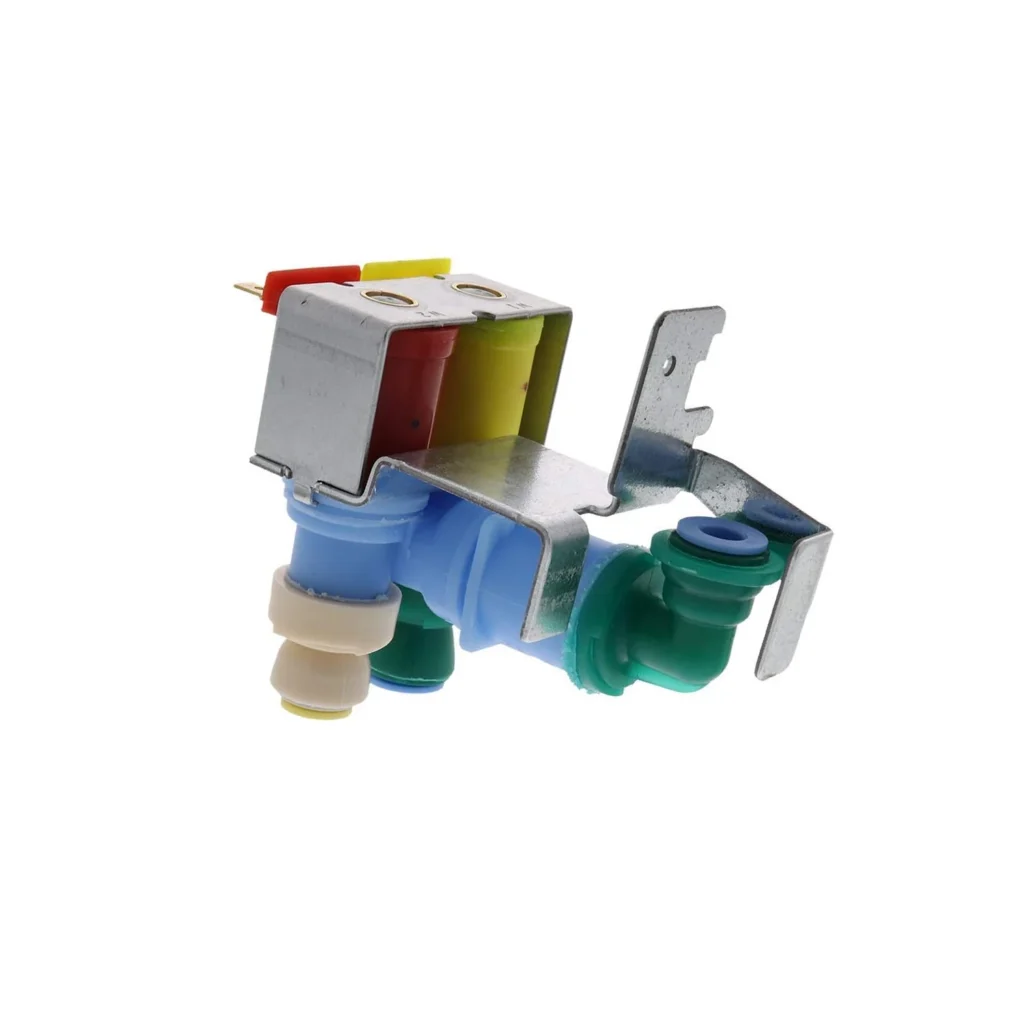
Most refrigerator water inlet valves should last 8-12 years, but in hard water areas, they're failing in as little as 3-4 years. The W10420083 valve — used in hundreds of Whirlpool, KitchenAid, Jenn-Air, Maytag, Amana, and Kenmore models — is particularly vulnerable to mineral buildup because it sits at the intersection of your home's water supply and your fridge's ice maker and dispenser system.
I've replaced dozens of these valves that could've lasted years longer with basic preventive care. Let's fix that.
How Long Should the W10420083 Last?
In ideal conditions — soft water, moderate use, no power surges — this valve should give you 10-12 years. But most homes aren't ideal.
What actually affects lifespan:
- Water hardness: Above 7 grains per gallon, you're looking at 40-50% shorter valve life due to calcium deposits on the solenoid and seal surfaces
- Water pressure: Pressure above 120 PSI stresses the diaphragm and can cause premature seal failure
- Usage frequency: If you're filling water bottles constantly or running the ice maker at max capacity, the valve cycles 3-4x more than average
- Power quality: Voltage fluctuations can degrade the solenoid coil over time
With proper maintenance, you can push a valve in a hard-water area from 4-5 years to 7-8 years. That's real money saved.
Signs Your W10420083 Is Wearing Out
The valve doesn't just quit overnight. It telegraphs problems weeks or months in advance. Here's what to watch for:
Ice Maker Not Making Ice (or Making Less)
This is the most common early warning sign. The valve still opens, but restricted flow from mineral buildup means the ice maker tray doesn't fill completely. You'll notice smaller, hollow, or misshapen ice cubes before it stops entirely. If your ice production has dropped from a full bin every 2 days to 3-4 days, that's the valve struggling.
Leaking Water Behind or Under the Fridge
A small puddle appearing every few days means the valve seal is compromised. This happens when mineral deposits prevent the diaphragm from seating properly, causing a slow drip even when the valve should be closed. Don't ignore this — it'll only get worse and can damage your flooring.
Not Dispensing Water (or Weak Flow)
When you press the dispenser paddle and get a trickle instead of a stream, or nothing at all, the valve's either stuck partially closed or completely blocked. Sometimes it's just the screen filter at the inlet, but if cleaning that doesn't help, it's internal valve restriction.
Ice Maker Won't Dispense Ice
If the ice maker is producing ice but the dispenser won't drop any, check the water supply first — a failing valve can freeze up the dispenser chute by allowing moisture where it shouldn't be. The valve might be leaking internally, sending water into the ice bin area.
When to Replace vs Maintain
Here's the honest truth: if you're already experiencing multiple symptoms, just replace it. The W10420083 isn't rebuildable, and trying to nurse along a failing valve costs more in wasted time and potential water damage than the part itself.
Maintain if:
- The valve is working normally but you have hard water
- You're doing annual appliance maintenance anyway
- You've had the fridge less than 5 years
- You catch issues early (slight flow reduction, occasional noise)
Replace if:
- You're seeing any leaking behind the fridge
- Ice production has stopped completely
- Water dispenser doesn't work at all
- The valve is making humming or buzzing sounds
- You've already cleaned the inlet screen and nothing changed
Typical repair time is 30-45 minutes if you're replacing it yourself. At $112.99 for the W10420083, you're still saving $150-200 over a service call.
Frequently Asked Questions
How often should I replace the water filter to protect the valve?
Every 6 months, regardless of what the indicator light says. A clogged filter forces the valve to work harder, shortening its life. In hard water areas, consider every 4 months. The filter costs $40-50; the valve costs $113. Math is simple.
Can I clean the inlet screen without replacing the whole valve?
Absolutely — and you should do this annually. Shut off the water supply, disconnect the inlet line, and you'll see a small mesh screen inside the valve inlet port. Use a toothbrush and white vinegar to dissolve mineral buildup. Takes 10 minutes and prevents 50% of premature valve failures I see.
Will a water softener help my inlet valve last longer?
Yes, dramatically. A whole-house softener can double the valve's lifespan. If that's not in the budget, even an inline filter specifically for the fridge water line will help. Look for one rated to reduce hardness, not just sediment. Costs $25-40 and installs in 15 minutes.
Element showing wear?
W10420083 · Replace before it fully fails