
How to Replace 807047901 Water Inlet Valve on Frigidaire Dishwasher — Step-by-Step
Always shut off water supply and disconnect power before replacing the inlet valve to prevent flooding and electrical hazards.
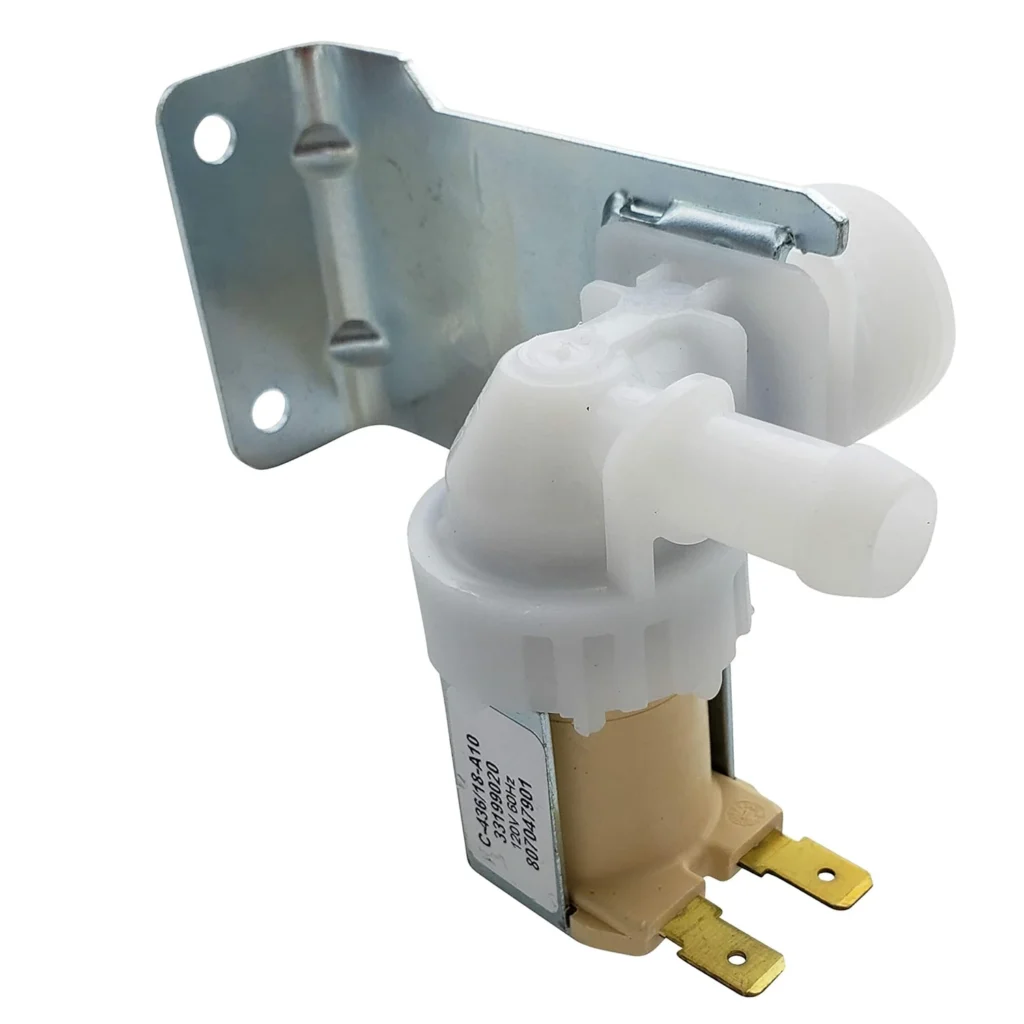
You walk into the kitchen and there's a puddle under your Frigidaire dishwasher. Or maybe it's running its cycle but no water's getting in — just the motor humming away uselessly. One customer told us, "Replacing the inlet valve solved the problem. The old valve was somehow clogged with white sediment." That white buildup is calcium and mineral deposits, and it's exactly what kills these valves on models like the FGID2466QF5A and FGID2466QB0A.
What You Need Before Starting
This is one of those repairs that looks intimidating but honestly takes less time than running a load of dishes. Here's what to grab:
- Adjustable wrench
- Pliers (needle-nose work best)
- Flathead and Phillips screwdrivers
- Towel (for catching water)
- Bowl or shallow pan
Repair Time: 10-20 minutes
Difficulty: Easy
Safety First
Before you touch anything, shut off the water supply valve under your sink. It's usually a silver or brass valve — turn it clockwise until it stops. Then unplug the dishwasher or flip the circuit breaker. Water and electricity don't play nice, and even though this is a simple job, we're not taking chances. You'll also want to pull the dishwasher out slightly to access the valve at the bottom.
Step 1: Access the Water Inlet Valve
The water inlet valve sits at the bottom left or bottom center of your Frigidaire, depending on your model. Pull the dishwasher forward enough to get underneath — you don't need to disconnect everything, just create some working room. Place your towel and bowl under the valve area because there'll be residual water in the lines.
Step 2: Disconnect the Water Supply Line
Use your adjustable wrench to loosen the water supply line connection at the valve. Turn counterclockwise. Water will drip out — that's what the towel's for. Once it's loose enough, finish unscrewing it by hand. If the connection's crusty with white sediment (common problem), clean the threads on the supply line with a wire brush before you reassemble everything.
Step 3: Remove the Electrical Connections
The valve has two wire connectors — usually a black and white wire. Pull them straight off the terminals. They're friction-fit spade connectors, so just grip and pull. If they're stubborn, wiggle them gently side to side while pulling. Take a quick photo with your phone if you're worried about mixing them up, but honestly they only fit one way.
Step 4: Detach the Internal Water Hose
There's a rubber hose connecting the valve to the dishwasher tub. It's held by a spring clamp or screw clamp. Use pliers to squeeze the spring clamp and slide it down the hose, or use a screwdriver to loosen a screw clamp. Pull the hose off — more water will come out, so keep that bowl handy. Now remove the mounting screws holding the valve bracket to the dishwasher frame (usually two screws). The old valve lifts right out.
Step 5: Install the New 807047901 Valve
Position your new valve in the same spot and secure the mounting bracket with those screws you just removed. Reconnect the internal hose and slide the clamp back into position. Push the wire connectors onto the terminals — you'll feel them click into place. Finally, thread the water supply line onto the inlet and tighten with your wrench. Hand-tight plus a quarter turn is plenty; don't overtighten or you'll crack the plastic threads.
Testing After Installation
Turn the water supply back on slowly and watch for leaks at the connection point. If you see drips, snug it up another eighth of a turn. Plug the dishwasher back in and run a short rinse cycle. Listen for the valve to click open — you should hear water rushing in within the first minute. As one customer put it: "Simple replacement. Only took about 10 minutes." Check underneath again after five minutes of operation to confirm everything's dry.
Frequently Asked Questions
Why does the inlet valve get clogged with white sediment?
That white buildup is calcium carbonate and mineral deposits from hard water. Over time, these minerals accumulate on the valve screen and solenoid, restricting water flow or preventing the valve from closing properly. If you have hard water, this part typically fails every 4-6 years. A whole-house water softener can extend valve life significantly.
Can I clean the old valve instead of replacing it?
You can try soaking it in white vinegar for a few hours to dissolve mineral buildup, but if the valve's already leaking or the solenoid is damaged, cleaning won't help. For $49.99, a new valve is usually the better bet — especially since you've already got the dishwasher pulled out. Plus, replacement valves come with new gaskets and seals.
Will this valve fit my Kenmore or Electrolux dishwasher?
Yes, the 807047901 replaces part numbers AP5948913, PS9865067, 33199020, and 3315025. It's compatible with many Frigidaire, Electrolux, and Kenmore models built on the same platform. Check your model number against the compatibility list — models like FGID2466QF3A, FGID2466QW1A, and similar FGID series are confirmed fits. When in doubt, match your old valve to the photos on the parts page.
Take a photo of wire connections before disconnecting them. Clean any white mineral buildup from the supply line threads before installing the new valve for a better seal.
Need the part for this repair?
807047901 · In Stock · Ships next business day