
How to Extend Your Samsung Dryer Drum Felt Seal Life — Maintenance Guide
Unplug dryer before any inspection. Never operate dryer with visible tears in seal — metal-on-metal contact can create sparks.
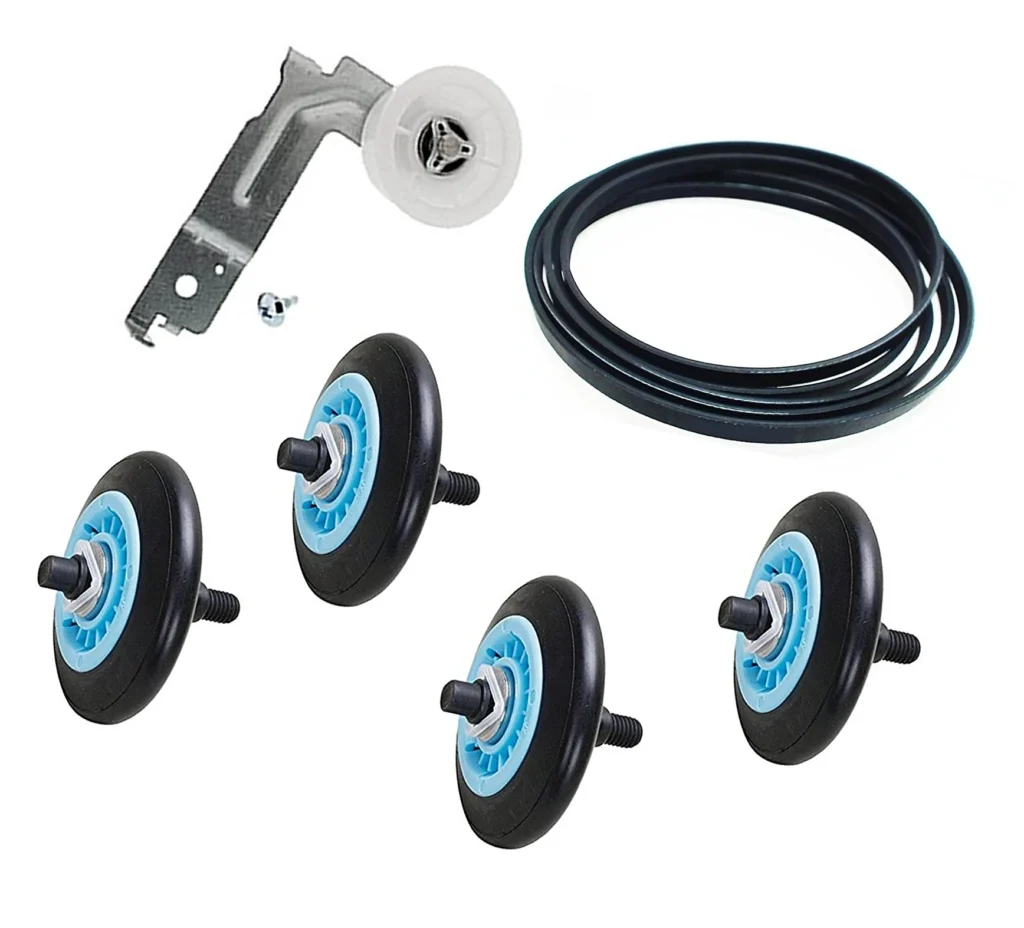
Here's something most people don't realize: that felt seal around your Samsung dryer drum should last 8-10 years, but most homeowners replace it every 4-5 years. The difference? How you use your dryer and what you're willing to ignore.
The DC97-07618A drum felt seal sits between your dryer drum and the front bulkhead, creating an air seal that keeps your clothes tumbling efficiently while preventing lint from escaping into the cabinet. When it wears out prematurely, you'll hear it — literally.
How Long Should It Last?
Under normal use, your drum felt seal should give you 8-10 years of service. That's roughly 2,500-3,000 drying cycles. But I've seen seals fail in half that time, and I've also seen them go 12+ years.
What makes the difference? Three things accelerate wear:
- Overloading — Cramming too many clothes creates friction hotspots on the seal
- High heat settings — Constant use of high heat dries out the felt faster
- Lint accumulation — When lint builds up against the seal, it acts like sandpaper
Models like the DV42H5200EW/A3, DV45K6500EV/A3, and DV50K8600EV/A3 all use this same seal design. The felt material is identical across these units, so maintenance strategies apply universally.
Signs It's Wearing Out
Your dryer will tell you when the seal needs attention. You just have to listen — and look.
Squeaking or Thumping During the Cycle
This is the earliest warning sign. When the felt compresses unevenly or starts deteriorating, the metal drum edge makes intermittent contact with the bulkhead. You'll hear it as a rhythmic squeak or occasional thump, usually more noticeable when the drum is full.
Don't ignore this. Once you hear squeaking, you've got maybe 50-100 cycles before it gets worse.
Black Marks on Your Clothes
When the seal wears through completely, the metal drum rubs directly against the painted bulkhead. This creates black streaks — either on your clothes or visible on the drum itself when you open the door. If you're seeing this, the seal is already compromised.
Excessive Lint in the Cabinet
Pop off your lower front panel (two screws, takes 30 seconds). If you see a thick layer of lint coating everything inside, your seal isn't doing its job. The felt should prevent lint from escaping the drum chamber. When it's worn, lint migrates into the cabinet and eventually clogs your blower wheel.
Longer Drying Times
A worn seal disrupts airflow efficiency. You'll notice loads that used to dry in 45 minutes now take an hour or more. This happens because air is escaping through gaps in the seal instead of circulating through your clothes.
Simple Maintenance That Actually Works
You can't stop felt from wearing — it's a sacrificial part by design. But you can slow it down considerably.
Clean the Lint Screen Every Single Load
I know, obvious advice. But here's why it matters for your seal: when you leave lint on the screen, airflow restriction causes the drum to run hotter. That extra heat accelerates felt deterioration. Takes five seconds. Do it.
Monthly Vacuum Inside the Door Opening
Open the dryer door and look at the area where the drum meets the front panel. See that gap? Lint accumulates there and packs against the felt seal. Once a month, use your vacuum's crevice tool to clean this area thoroughly.
For models like the DV48H7400EW/A2 and DVE50M7450W/A3, you can reach in with your fingers and feel the felt seal. If it feels crusty or hardened, that's lint buildup mixed with fabric softener residue.
Skip the Dryer Sheets (Or Use Them Sparingly)
Dryer sheets leave a waxy residue on everything they touch — including your drum seal. That residue attracts lint and creates a abrasive paste that wears the felt faster. If you must use them, cut your frequency in half.
Don't Overload
Your dryer's capacity isn't a suggestion. When you pack the drum tight, clothes press harder against the seal as they tumble. This creates uneven wear patterns. Leave enough room for clothes to tumble freely — about 3/4 full maximum.
Annual Deep Clean
Once a year, do this: Remove the lint screen housing (usually 2-3 screws), vacuum out the cavity behind it, then use a dryer duct brush to clean the exhaust path. While you're at it, vacuum around the drum seal area thoroughly.
This prevents lint accumulation that would otherwise work its way under the seal and act as an abrasive.
When to Replace vs. Maintain
Here's the honest answer: you can't repair a worn felt seal. Once it's compressed or torn, replacement is your only option.
Replace immediately if you see:
- Visible tears or gaps in the felt
- Black marks from metal-on-metal contact
- Felt that's hardened and crusty (compression set)
- Squeaking that doesn't stop after cleaning
You can postpone replacement if:
- Squeaking is intermittent and only when overloaded
- No visible damage to the felt
- Drying times are still normal
- No lint escaping into the cabinet
The DC97-07618A isn't cheap at $105.99, but compared to the $180-250 a tech will charge for the same repair, it's worth doing yourself. The part fits dozens of Samsung models including the DV52J8700GP/A2, DV50K7500EV/A3, and the newer DVE50R5400V/A3 series.
The Real Cost of Ignoring It
Let me be specific about what happens when you ignore a failing drum seal: lint escapes into the cabinet, accumulates on the blower wheel, restricts airflow, causes the thermal fuse to blow, and suddenly you're looking at a no-heat situation that requires multiple parts.
I've seen $105 seal replacements turn into $300+ repairs because someone waited too long. The blower wheel clogs, the heating element cycles too frequently and fails, and the high-limit thermostat gives up. All because of lint that shouldn't have been there.
Frequently Asked Questions
How often should I inspect my drum seal?
Every 6 months, open your dryer door and run your hand along the felt seal where it contacts the drum. You're feeling for compressed spots, hard crusty areas, or any gaps. Takes 30 seconds. If it feels uniform and slightly springy, you're good.
Can I use the dryer with a worn seal temporarily?
If you're hearing squeaking but not seeing black marks yet, you've got some time — maybe 25-50 loads. But don't push it past the point where you see metal-on-metal contact. Once that starts, you're creating damage that spreads beyond just the seal.
Does the seal wear evenly or in spots?
Almost always in spots. The bottom of the drum typically shows more wear because that's where clothes spend most of their time during tumbling. When you inspect yours, pay special attention to the 4 o'clock and 8 o'clock positions — those wear first on models like the DVG45N5300W/A3 and DVE45N5300W/A3.
Element showing wear?
DC97-07618A · Replace before it fully fails