
How to Extend Your Whirlpool Dryer Motor Life — 279827 Maintenance Guide
Always disconnect power before accessing the motor area. Capacitors can hold charge even when unplugged. Never bypass thermal protection devices.
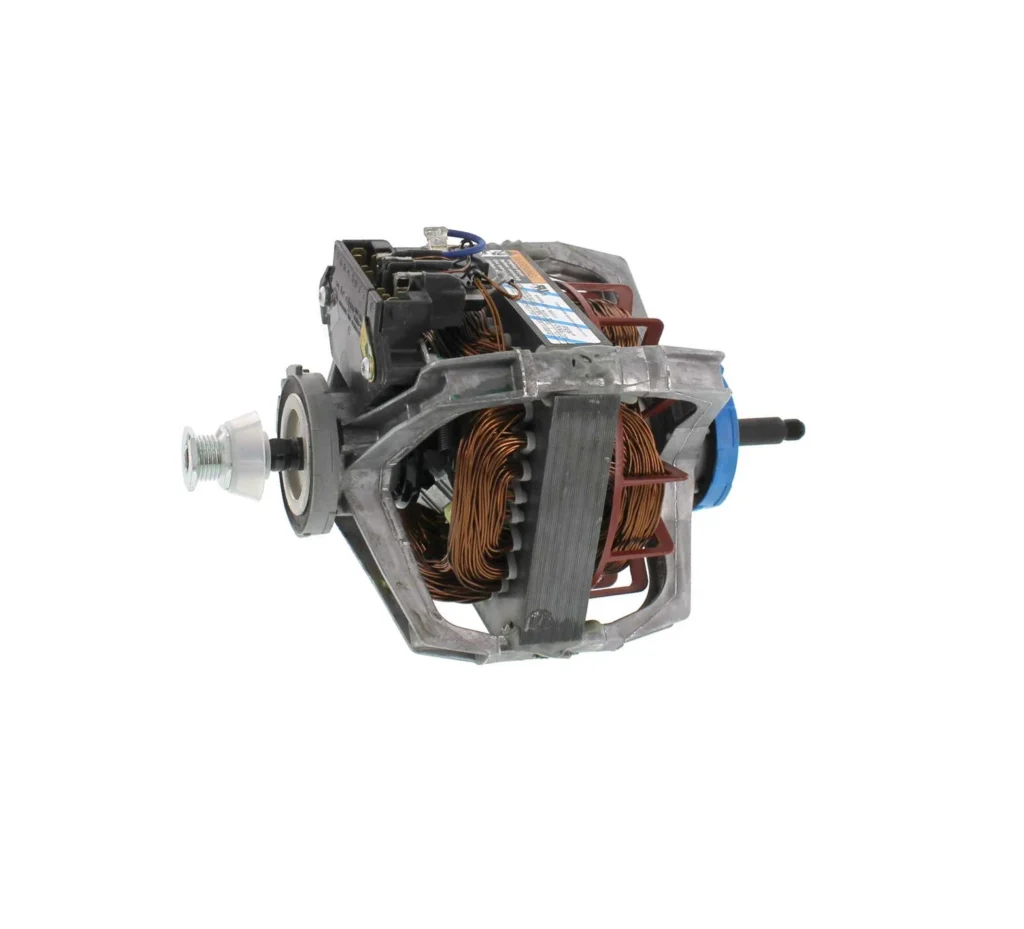
Most dryer motors fail between 10-12 years, but I've seen the 279827 motor in Whirlpool, Maytag, and Kenmore dryers last 15+ years with the right care. The difference? People who catch the warning signs early and keep the motor breathing clean air.
This motor drives the drum and blower wheel — it's running the entire time your dryer's on. That's thousands of hours spinning at high RPM in a hot, lint-filled cabinet. No surprise it's one of the most replaced dryer parts.
How Long Should It Last?
The 279827 motor assembly (which includes the pulley) typically runs 10-14 years under normal use. That's about 3,000-4,000 cycles if you're doing 6-8 loads per week.
What kills it faster:
- Lint accumulation — blocks cooling airflow, motor overheats
- Overloading — strains bearings and windings
- Running with worn drum rollers or bearings — motor works harder to spin the drum
- Poor ventilation — external vent restriction makes motor run longer per cycle
Motors that get annual deep-cleaning and aren't fighting other worn parts? I've seen them hit 18-20 years. It's all about reducing strain and heat.
Signs It's Wearing Out
You'll usually get 6-12 months of warning before total failure. Here's what to watch for:
Humming But Not Starting
You press start, hear a hum for 3-5 seconds, then nothing. The motor's trying to engage but can't overcome the starting load. This means the starting winding or centrifugal switch is weakening. Sometimes it'll work if you manually spin the drum to help it along — that's a clear sign the motor's on its way out.
Intermittent Running or Sudden Stops
The dryer runs fine, then stops mid-cycle. Wait 30 minutes, it starts again. That's thermal overload protection kicking in because the motor's overheating. Could be lint buildup blocking cooling, or internal windings starting to short. Don't ignore this — it's the motor telling you it's struggling.
Grinding, Squealing, or Unusual Vibration
A healthy 279827 motor runs with a steady hum. If you hear grinding from the motor area (not the drum), the bearings are failing. High-pitched squealing often means the pulley's loose or the motor shaft bearing is dry. These sounds mean metal-on-metal contact that's accelerating wear.
Burning Smell from the Back Panel
That electrical burning smell isn't normal. It means motor windings are overheating — insulation's breaking down. If you catch this early and clean out all the lint, you might buy some time. But if the smell persists after cleaning, the motor's internal damage is already done.
Maintenance Schedule That Actually Works
Here's what extends motor life in real-world use:
After every 30 loads (monthly for most households): Vacuum around and under the dryer. Pull the lower front panel and vacuum the blower housing and motor area. You'd be shocked how much lint gets past the filter.
Every 6 months: Check the drum belt tension and condition. A glazed or cracked belt makes the motor work harder. Spin the drum by hand — it should rotate smoothly without resistance. If it's hard to turn, you've got worn drum rollers or bearings that are loading down the motor.
Annually: Full cabinet cleanout. Disconnect power, remove the top and front panels, and vacuum everything. Check that the motor mount isn't loose (causes vibration and bearing wear). Inspect the pulley for cracks. Clean the external vent run — a restricted vent means longer cycle times and more motor hours.
When to Replace vs Maintain
Honest assessment: if your motor's humming but not starting, or stopping mid-cycle with burning smell, maintenance won't save it. The 279827 runs $88.99 — it's a straightforward replacement that'll give you another 10+ years.
But if you're just hearing slight noise increase or the dryer's taking longer than usual, start with deep cleaning and checking the supporting parts (belt, rollers, idler pulley, vent). Half the "motor problems" I see are actually other worn parts making the motor work too hard.
This motor fits dozens of Whirlpool family dryers: WED5000DW, WGD7300DW, WED4815EW, WGD5000DW, LER7646EQ, and many more across Whirlpool, Maytag, Kenmore, Roper, KitchenAid, and Amana brands. If your model's from roughly 2000-2015, there's a good chance it uses this motor.
The Real Motor Killer: Lint
I'll say it again because it matters: lint buildup is why most dryer motors fail early. That motor has cooling vents — when they're clogged, internal temperature spikes. Windings degrade faster, bearings dry out quicker, thermal protection trips constantly.
The lint screen catches maybe 60-70% of lint. The rest circulates through the cabinet, settling on the motor, blower housing, and everywhere else. A $15 vacuum attachment and 20 minutes every month will double your motor's lifespan. That's not an exaggeration.
Frequently Asked Questions
Can I oil or lubricate the 279827 dryer motor?
No — this motor has sealed bearings that don't require lubrication. Adding oil won't help and might attract more lint. If the bearings are making noise, the motor needs replacement. What you should lubricate: the drum support rollers and idler pulley — those take the load off the motor.
Why does my dryer motor run but the drum doesn't turn?
That's not a motor problem — it's the belt. The motor spins the blower wheel (you'll hear air movement) but the drum belt's either broken or thrown off the pulleys. You'll see the belt lying in the bottom of the cabinet. While you're in there replacing the belt, check the motor pulley for wear and clean everything out.
How do I know if it's the motor or the thermal fuse?
Completely dead dryer (no sound at all when you press start) is usually the thermal fuse on the blower housing or heating element — it's a safety that blows when the dryer overheats. Motor problems give you hum-but-no-start, intermittent running, or weird noises. If you're not sure, test for 120V at the motor with the dryer running — no voltage means the problem's upstream in the controls or thermal protection circuit.
Element showing wear?
279827 · Replace before it fully fails