
How to Extend Your Samsung Dishwasher Motor Pump Seal Life — DD62-00053A Maintenance Guide
Always disconnect power and water supply before any dishwasher maintenance. Water and electricity are a lethal combination.
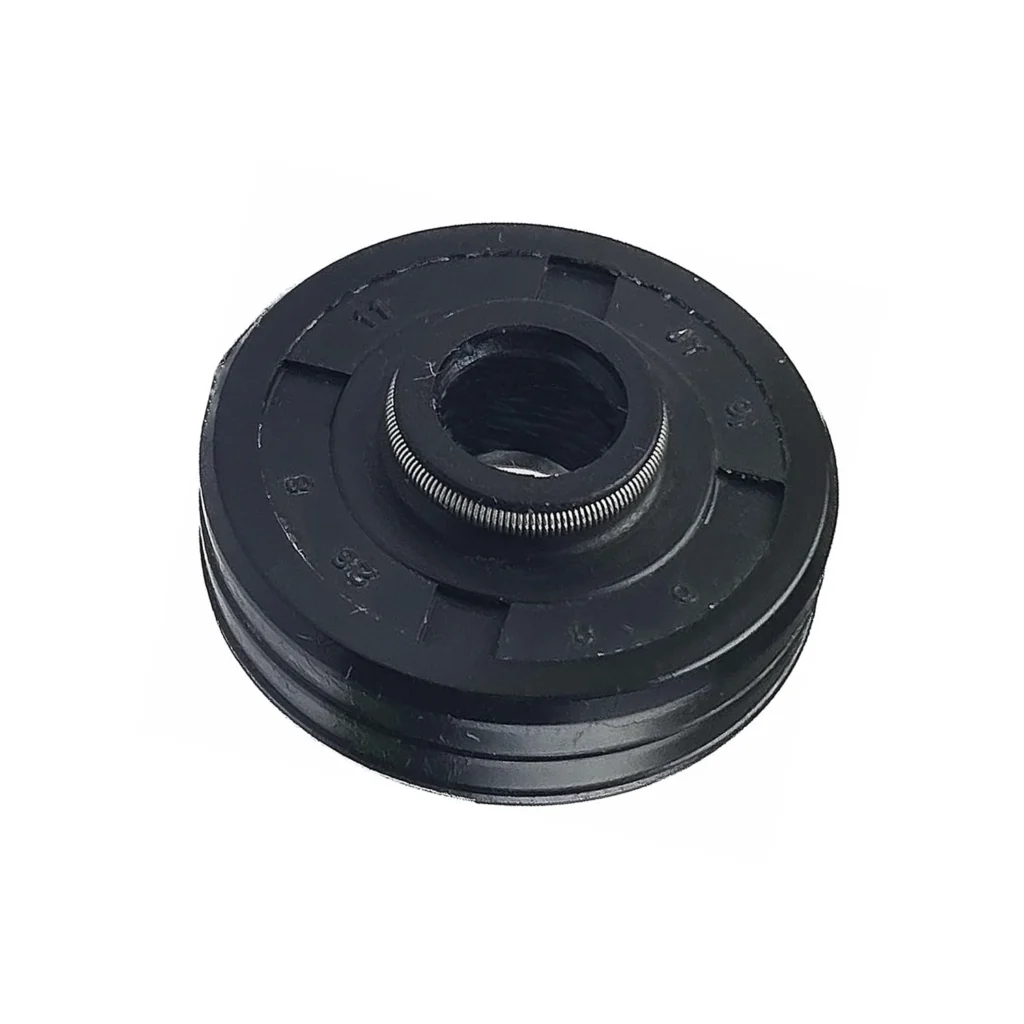
Here's a sobering truth: most Samsung dishwasher motor pump seals fail between 5-7 years, but they're designed to last 10-12. The difference? A tiny piece of melted plastic wrapping around the shaft, re-hardening, and tearing straight through the seal. One homeowner described it perfectly: "The hot water softened it enough that it wrapped around the motor shaft, re-hardened, then tore into the shaft seal." You can prevent this.
How Long Should Your DD62-00053A Seal Last?
Under normal conditions, this oil shaft seal should give you 10-12 years of service across models like the DW80F600UTB/AA, DW80H9930US/AA, and DMT800RHS/XAA. But most fail around the 5-7 year mark. Why? Because small debris—particularly softened plastic bits from utensils or containers—gets past the filter system, wraps around the spinning motor shaft, and gradually cuts into the rubber seal.
Temperature plays a huge role. The hotter your wash cycles, the more that plastic debris softens and becomes pliable enough to wind around the shaft. Once it cools and re-hardens, it acts like sandpaper against the seal with every wash cycle.
Signs Your Seal Is Wearing Out
Catching seal degradation early means the difference between a $40 part replacement and water damage to your kitchen floor. Here's what to watch for:
Intermittent Leaking During Drain Cycle
You'll see water pooling under the dishwasher, but only sometimes—not every cycle. One repair tech shared this diagnostic trick: "The only way to find slow leaks on these models is to hoist it onto 4x4's in the middle of your kitchen and reconnect water and electric. Run a normal wash cycle and watch for leaks with a flashlight." If water appears specifically during the drain phase, that's your shaft seal crying for help.
Moisture Sensor Triggering Error Codes
Samsung dishwashers have a moisture sensor in the base pan. When your shaft seal starts weeping, that sensor corrodes from constant dampness and throws error codes. If you're getting intermittent "LC" or leak codes but can't see obvious water, your seal might be starting to fail.
Visible Scoring on the Motor Shaft
During filter cleaning, shine a light down into the sump area. If you can see grooves or scratches on the visible portion of the motor shaft, foreign material has already been grinding against it. That seal won't last much longer.
Preventive Maintenance Schedule
Most seal failures are preventable. Here's your action plan:
After each load: Scrape plates thoroughly before loading. Those tiny plastic bits from food containers? They're seal killers. Even dishwasher-safe plastics can shed microscopic particles that accumulate around the shaft.
Weekly: Remove and rinse the fine filter assembly. Look for any plastic fragments, twist ties, or label pieces that made it past your pre-rinse. These small items cause 90% of premature seal failures.
Every 3-4 months: Pull the entire filter system and inspect the area around the chopper blade. One homeowner discovered "the one under the chopping blade was also damaged" and replaced it proactively. Use a flashlight to check for debris wrapped around any visible shafts.
Annually: Check the drain check valve (the rubber flapper in the sump). These swell and stretch over time from heat exposure. A stuck-open check valve allows dirty water to flow backward, putting extra stress on seals. Replace it if it feels spongy or doesn't snap shut crisply.
When to Replace vs Maintain
Be honest with yourself: if you're already seeing water under the unit, maintenance won't fix it—you need the DD62-00053A replacement seal. But if you're proactive, you can double the seal's lifespan.
Replace immediately if: water pools under the dishwasher during or after cycles, you see visible shaft scoring, or the moisture sensor has corroded (it'll look white and crusty).
Maintain and monitor if: the dishwasher is 4+ years old but running fine, you occasionally find small debris in the filter, or you run particularly hot cycles frequently.
Installation Tips from Real Repairs
When replacement time comes, learn from others' mistakes. One installer warns: "Be careful with power screwdrivers; accidentally poking a hole in the filter can occur." Use hand tools for the final approach.
Another pro tip: "Use a small metal hooked awl to pull the seal under the chopping blade so as not to damage the plastic cavity." Forcing the seal with screwdrivers can crack the sump housing—a much costlier problem.
For installation, "a socket to press the new seal by hand worked well and didn't damage the new seal." Find one that matches the seal's outer diameter and press straight down evenly.
The Real Cost of Neglect
A $39.99 seal versus water-damaged flooring, cabinetry, and possibly a moisture sensor at $50-80? The math is obvious. But here's what nobody tells you: most insurance companies consider dishwasher leaks gradual damage, not sudden catastrophic failure. That means you're covering the floor replacement out of pocket.
One homeowner learned this hard way: "I fixed it by replacing the shaft seal, moisture sensor (corrodes when it gets wet), and replaced the sump seal since I had it disassembled." What started as one seal became a three-part repair because water damage spread.
Frequently Asked Questions
How do I know if it's the shaft seal or the drain hose leaking?
Run a cycle and watch during the drain phase specifically. "If the leak intensifies during drain, it's the hose," according to one experienced tech. Shaft seal leaks tend to be constant once they start, while hose leaks pulse with the drain pump's action. The ribbed drain hose from pump to manifold develops pinholes you can't see until you remove and stretch it.
Can I just use sealant instead of replacing the seal?
No. The shaft spins inside that seal—any sealant will either get shredded immediately or bind the shaft, burning out your motor. The DD62-00053A is designed as a wear part. There's no shortcut here.
Why did my seal fail after only 3 years?
Check your filter system. If you're not cleaning it weekly, debris accumulates and gets pulled into the pump assembly. Also, if your home has hard water and you're not using rinse aid, mineral deposits can accelerate seal wear. Finally, some Samsung models from 2014-2016 had softer seal compounds that degraded faster—if yours is from that era, the replacement DD62-00053A uses an improved formula.
Element showing wear?
DD62-00053A · Replace before it fully fails