
How to Replace WH01X27538 Washer Drive Belt on GE Washer — Step-by-Step
Unplug washer completely before starting repair. Allow 10-15 minutes for residual water to settle if recently used.
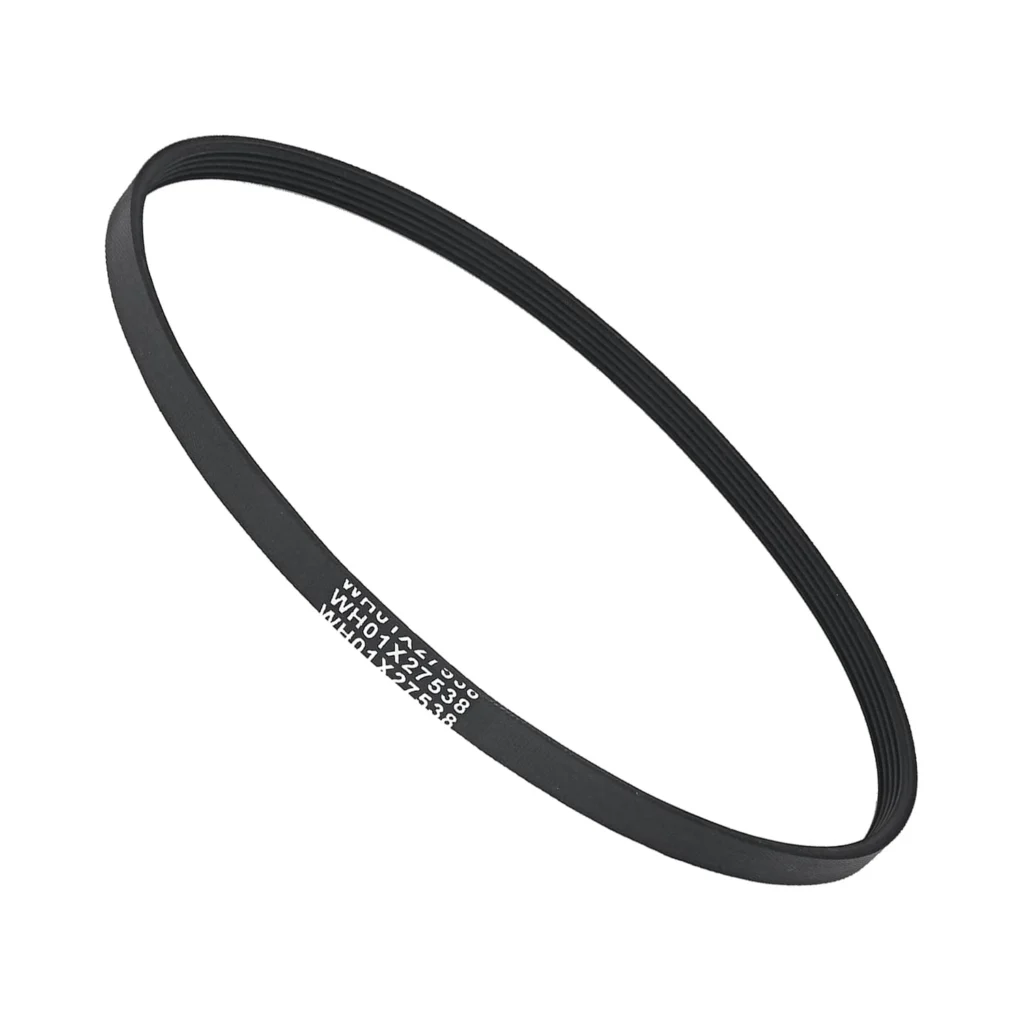
Your GE washer's struggling to spin clothes dry, or maybe you're hearing a high-pitched squealing sound during the cycle. You open the lid and notice your laundry is still soaking wet even after the spin cycle finishes. Nine times out of ten, you're dealing with a worn drive belt. The WH01X27538 drive belt takes a beating — it's constantly flexing and rotating under tension, and after a few years, the rubber breaks down. When it does, you'll see symptoms like slow spinning, burning smells from the belt slipping, or the drum refusing to agitate at all.
What You Need Before Starting
This is one of the more straightforward washer repairs. You don't need specialized tools, just basic hand tools you probably already own:
- Phillips or Torx screwdriver (depending on your model)
- Putty knife or flat-blade screwdriver
- Work gloves (the belt routing area can be sharp)
- Towels (to catch any residual water)
Time commitment: 30-45 minutes
Difficulty: Easy
Safety First
Unplug the washer completely before you start. Don't just turn it off — pull the plug from the wall. Water and electricity don't mix, and you'll be working near the motor. If your washer has recently run a cycle, give it 10-15 minutes to let any residual water settle. Keep towels handy because you'll likely encounter some water when you tip the machine or access the belt area.
Step 1: Access the Cabinet
On most GE top-load washers like the GTW220ACK series and GTW335ASN models, you'll need to remove the cabinet. Insert a putty knife between the top panel and cabinet about 2-3 inches from each corner to release the spring clips. Push in and lift up. The entire outer cabinet then lifts straight up and off. Set it aside carefully — you don't want to dent the panels.
Step 2: Locate and Inspect the Old Belt
With the cabinet off, you'll see the motor at the bottom and the drum transmission at the top. The drive belt wraps around both. Before you remove anything, take a photo with your phone showing how the belt routes — this'll save you headaches during reinstallation. Check the old belt for cracks, glazing, or that tell-tale burned rubber smell. If it's stretched or shiny from slipping, replacement is definitely needed.
Step 3: Remove the Old Belt
Rotate the motor pulley by hand while pulling the belt off. It should slip off fairly easily if it's worn. If the belt's broken, you might find pieces of it scattered around the base. Clean out any rubber debris before installing the new belt — you don't want fragments interfering with the new belt's grip.
Step 4: Install the WH01X27538 Replacement Belt
Start by looping the new WH01X27538 belt around the motor pulley first. Then stretch it up and around the transmission pulley. You'll need to rotate one of the pulleys while maintaining tension on the belt to work it into the grooves. The belt should sit centered in both pulleys — if it's riding to one side, it'll wear prematurely or throw itself off during operation. This belt fits models from the GTW460ASJ series to the GTW585BSV line, so the routing is consistent across those units.
Step 5: Test the Belt Tension
Before reassembling everything, manually rotate the drum by hand. The belt should have about 1/2 inch of deflection when you press down on it between the pulleys. Too tight and you'll put unnecessary strain on the motor bearings. Too loose and it'll slip under load, bringing back your original spinning problems.
Testing After Installation
Reassemble the cabinet by reversing your disassembly steps. Plug the washer back in and run a spin cycle without clothes first. Listen for any unusual squealing or grinding. The drum should accelerate smoothly to full spin speed. Then run a small load of towels through a complete cycle. Pay attention during the agitation and spin cycles — the washer should operate quietly without that burning rubber smell you might have noticed before.
Frequently Asked Questions
How long does a washer drive belt typically last?
Most drive belts last 5-8 years with regular use, but heavy-duty cycles and frequent use can wear them out faster. If you're washing multiple loads daily or frequently use hot water cycles, expect to replace the belt on the shorter end of that range.
Can I use a different belt if WH01X27538 isn't available?
This belt also replaces part numbers AP6328256, PS12299369, 4587903, and 290D1101P005. All are functionally identical. Avoid using "universal" belts that claim to fit everything — the length and width need to be exact for proper tension and grip.
Why does my new belt smell like burning rubber?
A slight rubber smell during the first couple cycles is normal as the belt seats into the pulleys. If the smell persists or gets stronger, your belt tension might be incorrect, or you could have a seized bearing elsewhere causing the belt to slip excessively. Recheck your installation and pulley alignment.
Take a photo of the belt routing before removal — saves time and prevents installation errors.
Need the part for this repair?
WH01X27538 · In Stock · Ships next business day