
How to Extend Your Oven Temperature Sensor Life — W10833885 Maintenance Guide
Always disconnect power at the breaker before touching the sensor or wire harness. Even with the oven off, the sensor carries low voltage that can cause injury or damage testing equipment.
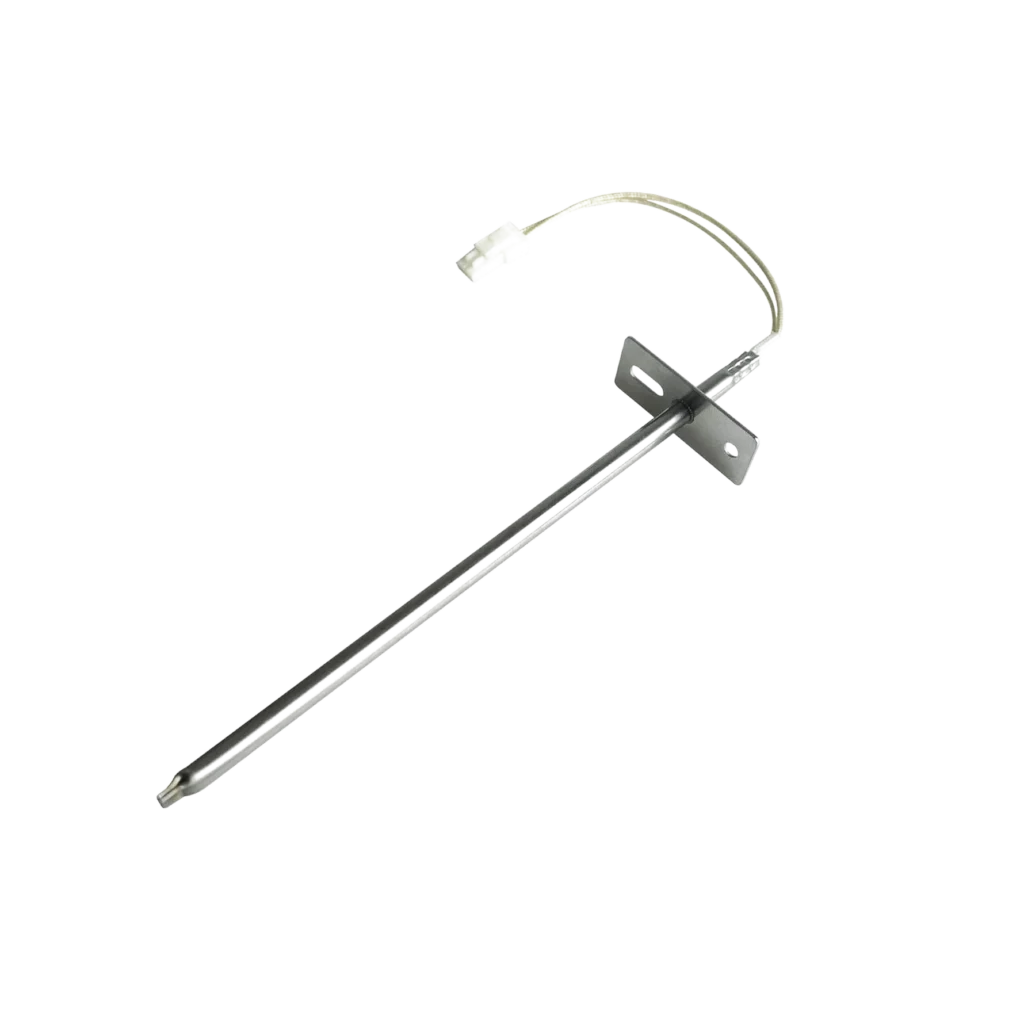
Most oven temperature sensors should last 8-12 years, but in real-world kitchens, they often fail after 5-7. The culprit? Heat cycling, grease buildup, and rough cleaning that damages the probe. If you've got a Whirlpool, Maytag, or KitchenAid range with the W10833885 sensor, a few simple maintenance habits can double its lifespan — and save you from uneven baking or overcooked meals.
How Long Should It Last?
Under normal conditions, the W10833885 temperature sensor is rated for approximately 10 years. That's about 3,650 heat cycles if you use your oven once daily. But here's what actually affects lifespan:
- Self-cleaning cycles: Each high-heat clean cycle puts extreme stress on the sensor probe, potentially reducing life by 6-12 months per year of regular use
- Frequent broiling: Sustained high temperatures above 500°F accelerate internal resistance drift
- Physical contact: Bumping the sensor with racks or pans can crack the ceramic insulation inside
- Moisture exposure: Steam cleaning or wet oven cleaners can seep into the connection point
Models like the KFGG500ESS1, MER8700DS1, and WFG530S0EB0 mount the sensor on the upper rear wall where it's most vulnerable during rack removal. That positioning makes maintenance even more critical.
Signs It's Wearing Out
Temperature sensors don't usually fail all at once. They drift gradually, giving you warning signs weeks or months before total failure. Here's what to watch for:
Little to No Heat When Baking
You set the oven to 350°F, but it barely reaches 200°F — or won't heat at all. This happens when the sensor's internal resistance drops below the control board's acceptable range (typically 1,080-1,120 ohms at room temperature). The board interprets this as "oven is already hot" and won't send power to the heating element. Check models like the KSIB900ESS0 and JDS1750EP1 if preheating takes twice as long as it used to.
Oven Not Heating Evenly
Cookies burn on one side while staying raw on the other. The top rack scorches while the bottom stays pale. This indicates the sensor is reading temperatures 25-50°F off from actual heat levels, causing the control board to cycle the heating elements at the wrong times. On dual-fuel models like the KSDG950ESS0, this usually affects the electric oven while the gas cooktop works fine.
Oven Is Too Hot
Everything cooks faster than the recipe says, or you're burning food at normal temperatures. The sensor's resistance has drifted high, making the control board think the cavity is cooler than it really is — so it keeps pumping heat. This is particularly common in ranges that have gone through multiple self-clean cycles, like the MES8800FZ1 and AGR6603SFS0.
When to Replace vs Maintain
Here's the honest truth: once a temperature sensor starts reading incorrectly, you can't fix it. The internal thermistor element has permanently drifted. But you can prevent that drift with proper maintenance.
Replace immediately if:
- Your oven temperature is consistently 50°F or more off target
- The sensor probe has visible cracks, corrosion, or breaks in the sheath
- An ohmmeter reading at room temperature shows anything outside 1,000-1,200 ohms
- The wire harness connection has heat damage or melted plastic
Maintain when:
- The oven is still accurate within 25°F (normal variation)
- The sensor looks physically intact
- You want to prevent premature failure
For ranges like the WEE510S0FB0, JDS1450FS0, and JES1450CDB0, an oven thermometer is your best diagnostic tool — $8 spent now saves $99 later.
Maintenance Schedule That Actually Works
Unlike air filters or water pumps, oven sensors don't need constant attention. But a few targeted habits make a difference.
After self-cleaning cycles: Let the oven cool completely (4+ hours), then visually inspect the sensor probe. Look for discoloration on the metal sheath or stress cracks near the mounting bracket. The extreme heat — often 900°F — can cause micro-fractures that worsen over time.
Monthly check: When you pull the racks for cleaning, gently wiggle the sensor probe. It should feel solid with no play at the mounting point. Check that no grease has accumulated on the probe or wire harness. A quick wipe with a dry cloth is enough — never use wet cleaners directly on the sensor.
Annual accuracy test: Use an oven thermometer to verify temperature at 350°F. Place it on the center rack, let the oven preheat fully, then check the reading after 20 minutes. Anything within 25°F is acceptable. Beyond that, start budgeting for replacement. On models with convection like the KSGB900ESS01, test with the fan both on and off.
Frequently Asked Questions
Can I clean the temperature sensor probe?
Yes, but only when cool and only with a dry cloth. Never spray oven cleaner directly on it, never scrub with abrasives, and never get the electrical connection wet. The probe itself is stainless steel and can handle gentle wiping. If there's baked-on residue, let it loosen during the next cooking cycle rather than forcing it off.
Does calibrating my oven affect the sensor lifespan?
No — calibration adjustments are made in the control board software, not by physically altering the sensor. If your range allows oven temperature offset adjustment (most Whirlpool and KitchenAid models do), that's actually protective. It means you can compensate for minor sensor drift without running hotter temperatures that stress the component.
Why does my sensor fail faster than my neighbor's identical model?
Cooking habits matter more than brand or model. If you self-clean monthly, broil frequently, or slam oven racks in and out, you'll wear through sensors faster. Someone who bakes at moderate temperatures and spot-cleans spills can get 12+ years from the same part. Environmental factors play a role too — kitchens with high humidity or those near saltwater see faster corrosion on electrical connections.
Element showing wear?
W10833885 · Replace before it fully fails