
How to Extend Your Whirlpool Washer Suspension Spring Life — Maintenance Guide
Always disconnect power before inspecting suspension springs. The drum can drop suddenly if a spring is disconnected, causing injury. Never operate washer with missing or broken springs — secondary damage to bearings and transmission will cost far more than the spring kit.
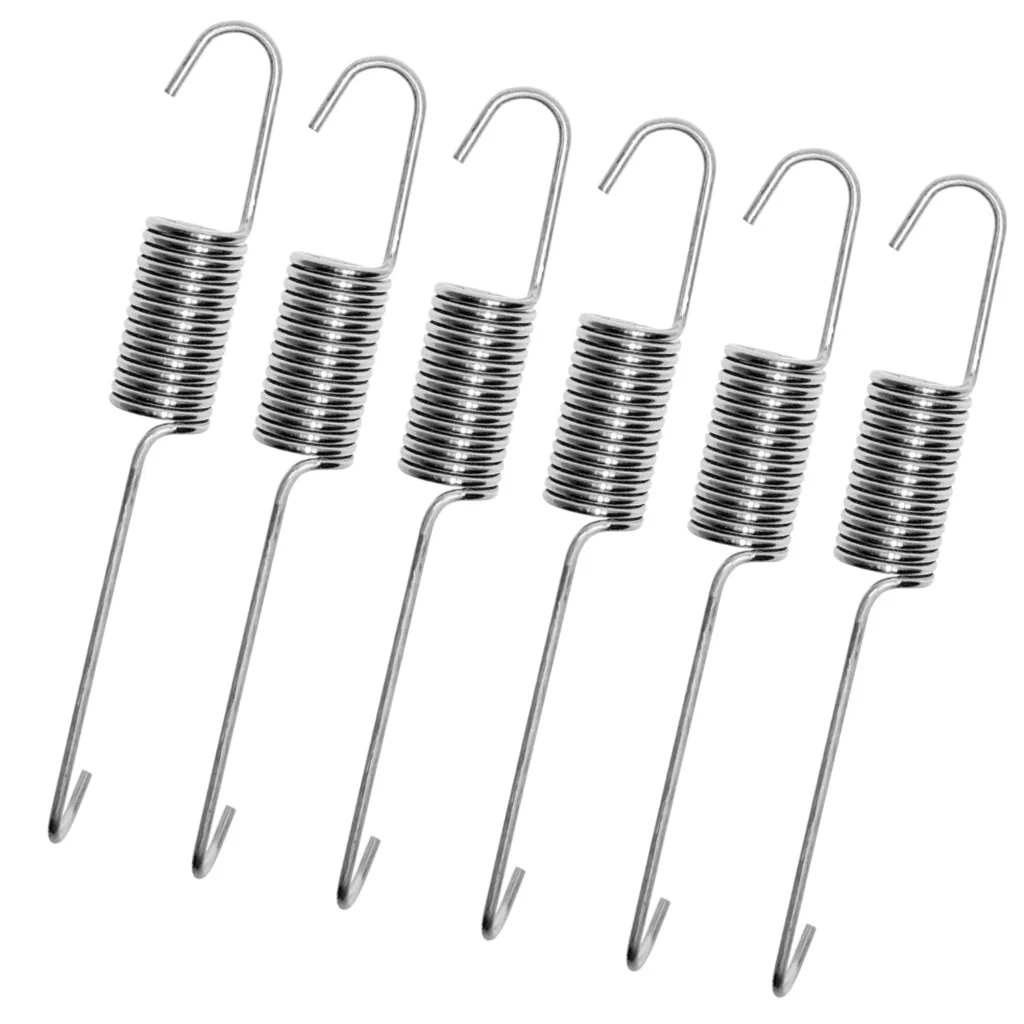
Most washer suspension springs fail between 7-10 years, but they should last 12-15. The difference? How hard your machine works and whether you catch the early warning signs. If you've got a Maytag LAT1000AAE or any Whirlpool direct-drive top-loader, those springs are holding up a drum that's violently shaking 600+ times per spin cycle. That's a lot of stress.
The 12002773 suspension spring kit (set of 6) isn't something you'll replace often — unless you ignore what your washer's trying to tell you. Let's talk about keeping these springs working as long as possible.
How Long Should Suspension Springs Last?
Factory-installed suspension springs typically last 8-12 years under normal conditions. That means balanced loads, proper leveling, and not overloading the drum every wash. But here's what actually happens: people cram in king-size comforters, wash one heavy bath mat by itself, and never check if their washer's level. Each of these things adds years of wear in months.
The springs themselves are steel with zinc coating, designed to handle thousands of compression cycles. What kills them isn't the spinning — it's the unbalanced loads that create lateral stress they weren't engineered for. That side-to-side motion during an unbalanced spin is what fatigues the metal and eventually causes breaks.
With proper care and load management, you can push these springs to 15 years or more. Models like the W10549851 and W10135699 Whirlpool units have suspension systems that'll outlast the motor if you treat them right.
Signs Your Suspension Springs Are Wearing Out
Suspension spring failure doesn't happen overnight. You'll get plenty of warning if you're paying attention. The trick is knowing what normal sounds like versus what's a red flag.
Excessive Movement During Spin Cycle
Your washer shouldn't walk across the floor or bang against the wall. If it's moving more than an inch or two during spin, at least one spring has lost tension. The drum's not being held in the center position anymore, so it's swinging around looking for balance it can't find. Check if your W10501250 or similar model is sitting level first — but if it is and it's still walking, those springs are done.
Loud Banging or Clanking Noises
This is the sound of metal-on-metal contact that shouldn't be happening. When springs weaken or break, the drum drops lower in the cabinet and starts hitting the outer tub or cabinet walls during agitation and spin. It'll sound like someone's inside the machine with a hammer. Don't ignore this — a loose drum can damage the transmission, motor mounts, and even crack the outer tub.
Visible Rust or Corrosion on Springs
Pull the cabinet off during your next maintenance check and look at those springs with a flashlight. If you see rust flaking off or the zinc coating's gone in spots, those springs are weakening. Corrosion eats away at the cross-section of the steel, reducing load capacity. A spring that looks rusty might still be attached, but it's not doing its job anymore.
Uneven Gaps Between Drum and Cabinet
With the washer empty and off, gently push down on different sides of the drum. It should return to center evenly all the way around. If one side sits lower or doesn't bounce back the same way, that side's spring has lost tension. The 12002773 kit replaces all six springs because if one's failed, the others aren't far behind.
Maintenance Tasks That Actually Work
You can't lubricate suspension springs or adjust them — they either work or they don't. But you can prevent premature failure with these specific practices:
Balance every load properly. This is the single biggest factor in spring life. Add items one at a time during the fill cycle so they distribute evenly. If you hear the washer struggling to balance during the first spin attempt, stop it and redistribute manually. Your Maytag LAT1000AAE will try to balance automatically, but it's not magic.
Check washer level every 6 months. Use a torpedo level across the top of the washer front-to-back and side-to-side. If it's off by more than a bubble width, adjust the feet. An unlevel washer puts unequal stress on the springs, wearing them at different rates. This is especially critical for models like the W10135699 with direct-drive systems.
Don't overload the drum. The weight capacity listed in your manual isn't a suggestion. Overloading forces the springs to compress beyond their designed range, creating fatigue points in the metal. If you're regularly washing loads that barely spin, you're overloading.
Inspect springs annually. Pop the cabinet once a year and look at the springs with a flashlight. You're checking for rust, visible stretching, or any spring that looks different from the others. Catching a weak spring before it breaks completely saves you from secondary damage to the drum bearings and drive system.
When to Replace vs. When to Keep Monitoring
Here's the honest framework: if you've got any of these conditions, replacement isn't optional anymore.
Replace immediately if: Any spring is broken or disconnected, rust has eaten through more than 25% of any spring's diameter, the washer walks more than 3 inches during normal spin, or you see metal shavings or broken spring pieces in the cabinet.
Plan replacement within 3-6 months if: Springs show surface rust but are still intact, washer movement has increased noticeably but it's not violent yet, you hear occasional banging during unbalanced loads but not every cycle, or the drum sits slightly lower on one side when empty.
Keep monitoring if: Everything looks good but the washer's over 8 years old, you've had to balance loads more frequently than you used to, or you're hearing very minor creaking during the spin cycle that doesn't get worse.
The 12002773 kit replaces all six springs at once because spring failure is systemic. If one's gone, the others have been carrying extra load, which accelerates their failure. Don't replace just one or two — you'll be back inside the washer in six months doing it again.
What Kills Suspension Springs Faster
Beyond normal wear, these factors cut spring life in half: washing heavy items like rugs and blankets regularly (constant maximum load stress), letting the washer sit in a damp basement or garage (accelerated rust), never cleaning the drum (lint and detergent buildup adds weight to the drum over time), and running the washer unlevel (unequal spring compression wears springs at different rates).
Temperature cycling matters too. If your washer's in an unheated space where it freezes in winter and bakes in summer, that expansion and contraction of the metal affects spring temper. Models installed in climate-controlled laundry rooms last longer than identical units in garages.
Frequently Asked Questions
Can I replace just one or two springs instead of all six?
Technically yes, but it's a bad idea. The 12002773 kit includes all six because springs wear at similar rates. If one's failed, the others have been overloaded trying to compensate, which means they're not far behind. Replacing just one or two creates unequal suspension that'll cause vibration problems and accelerate wear on the springs you didn't replace. Do it once, do it right.
How do I know if my washing machine uses this specific spring kit?
Check your model number against the compatibility list — this kit works with most Whirlpool, Maytag, Admiral, and Amana top-load washers including models like LAT1000AAE, W10549851, and W10501250. If you're not sure, count the springs in your current setup. This is a 6-spring kit. Some washers use 4 springs, others use 8. Match the count first, then verify the model number. The springs themselves have a specific hook design that fits these brands.
Will new springs fix my washer's vibration problem?
If the vibration is caused by weak or broken springs, yes. But springs aren't the only cause of vibration. Check these first: washer level (use a torpedo level on top of the machine), load balance (redistribute clothes before spin), worn shock absorbers (different part, works with springs), and loose drum bearings (you'll hear grinding in addition to vibration). If the washer's level, loads are balanced, and you see visibly stretched or broken springs, then yes — the 12002773 kit will solve it.
Element showing wear?
12002773 · Replace before it fully fails