
How to Replace 134101800 Lid Lock Switch Assembly on Frigidaire Washer — Step-by-Step
Always unplug the washer before starting repairs. Never bypass safety switches to operate the washer with the lid open during spin cycles.
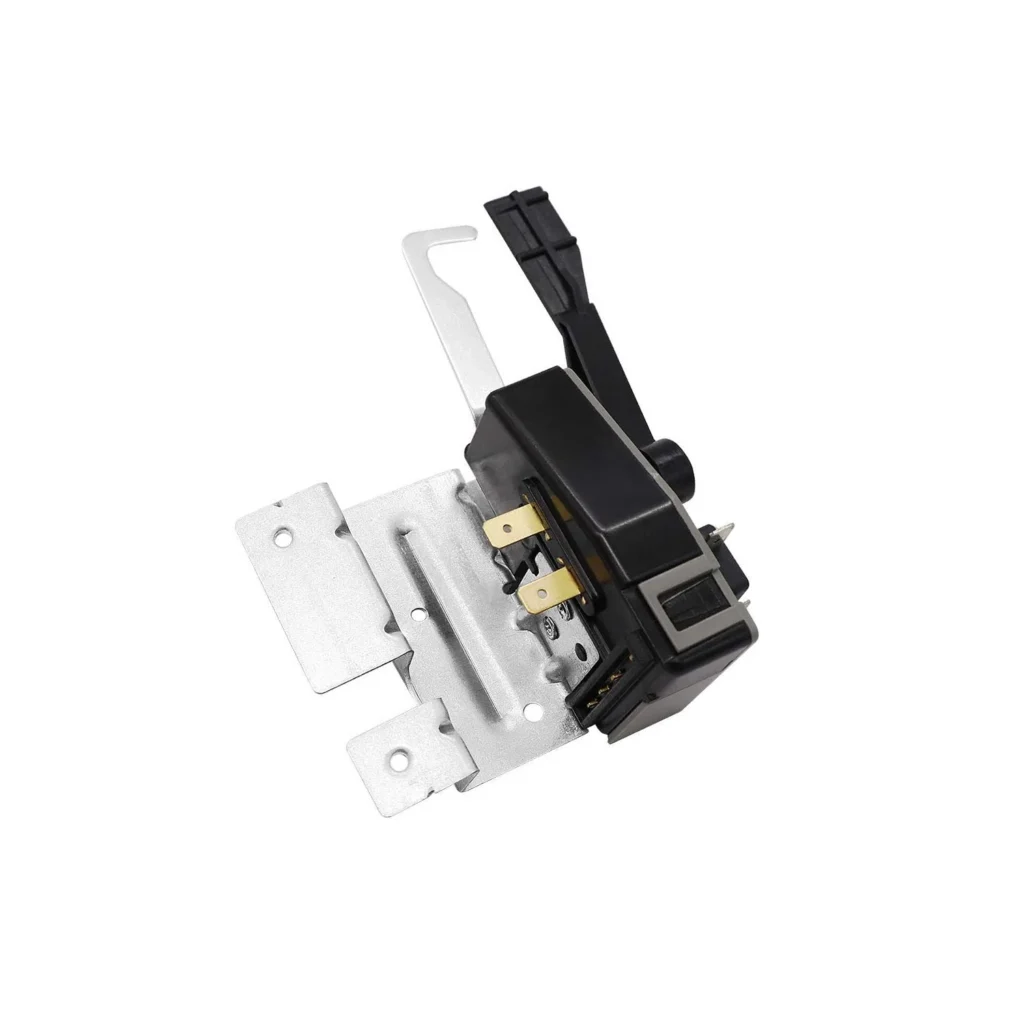
Your Frigidaire washer won't start, the lid lock clicks but nothing happens, or you get stuck mid-cycle with the control panel showing an error code. Nine times out of ten on models like the FWS235RFS0 or FLSE72GCSA, that's the lid lock switch assembly calling it quits. This little assembly is what tells your washer "hey, the lid's closed and locked — it's safe to spin." When it fails, your washer acts like the lid's wide open even when it's latched tight.
What You Need Before Starting
This is one of the easier washer repairs you'll tackle. Most folks finish in under 30 minutes once they've got the top off.
- Phillips screwdriver
- Putty knife or flat blade screwdriver
- Work gloves (metal edges can be sharp)
- Towel to protect the washer top
Repair time: 20-30 minutes
Difficulty: Easy — no major disassembly required
Safety First
Unplug the washer from the wall outlet before you touch anything. Don't just turn off the control panel — physically disconnect power. If your washer's hardwired, flip the breaker. Water and electricity make a dangerous combination, and this switch assembly sits right near wiring harnesses.
Step 1: Remove the Washer Top Panel
Slide a putty knife between the top and the cabinet about 2 inches in from each front corner. You're looking for spring clips that hold the top down. Push in while lifting the front of the top. Once those clips release, tilt the top back and prop it against the wall. Some models like the CWS3600AS0 have screws at the back corners instead — check there first if the clips don't budge.
Step 2: Locate the Lid Lock Assembly
Look at the underside of the top panel near where the lid closes. The lid lock switch assembly is the plastic housing with wires connected to it — usually black or gray, about the size of a deck of cards. You'll see the striker mechanism that the lid engages when you close it.
Step 3: Disconnect the Wiring Harness
Press the locking tab on the wire connector and pull straight out. Don't yank on the wires themselves — grab the plastic connector housing. If it's stubborn after years of heat cycles, gently wiggle it side to side while pulling. Take a quick phone pic of the wire orientation before disconnecting if you're nervous about reconnection.
Step 4: Remove the Old Switch Assembly
Two screws hold the assembly to the top panel. Remove them and the whole assembly lifts right out. Sometimes there's a third screw or a plastic tab — check the sides of the housing. The striker plate usually stays with the assembly, but on some Kenmore 417 series models it's separate, so don't lose that piece.
Step 5: Install the New 134101800 Assembly
Position the new switch assembly exactly where the old one sat. The mounting holes should line up perfectly. Thread in the screws finger-tight first to make sure alignment is good, then snug them down with the screwdriver. Don't overtighten — you're threading into plastic. Plug the wire harness back in until you hear or feel it click into place.
Testing After Installation
Lower the washer top back into position until the front clips snap. Plug the washer back in and run a test cycle. Close the lid — you should hear the lock mechanism click within a few seconds. Try to open the lid once it's locked. If it holds firm and the washer starts filling, you're golden. If you still get error codes or the lid doesn't lock, double-check that wire connector — it needs to be fully seated.
Frequently Asked Questions
Will this 134101800 switch work on my Kenmore washer?
Yes, this assembly replaces several part numbers including AP2108159 and 131675600, which were used across Frigidaire, Electrolux, Kenmore, and Crosley models. Check your model number against the compatibility list, but if your original part number matches any of those, you're good to go.
Why does my washer lid lock but still won't start?
The switch assembly has multiple functions — it locks the lid AND signals the control board that it's safe to run. If the locking mechanism works but the electrical switch portion is dead, you get a locked lid with no action. That's actually the most common failure mode for this part.
Can I bypass the lid lock to test if that's really the problem?
Technically yes, but I don't recommend it. These locks exist because a washing machine spinning at 1200 RPM with the lid open is seriously dangerous. Order the part, test it properly. If the new switch doesn't fix it, you've got a control board issue or a wiring problem somewhere else in the circuit.
Take a photo of the wire connector before disconnecting it — makes reassembly foolproof even if you get interrupted mid-repair.
Need the part for this repair?
134101800 · In Stock · Ships next business day