
How to Extend Your Samsung Gas Dryer Igniter Life — DC47-00022A Maintenance Guide
SAFETY WARNING: Always disconnect power and shut off gas supply before inspecting igniter. Never touch the ceramic while dryer is operating or immediately after use — surface temperature exceeds 2000°F.
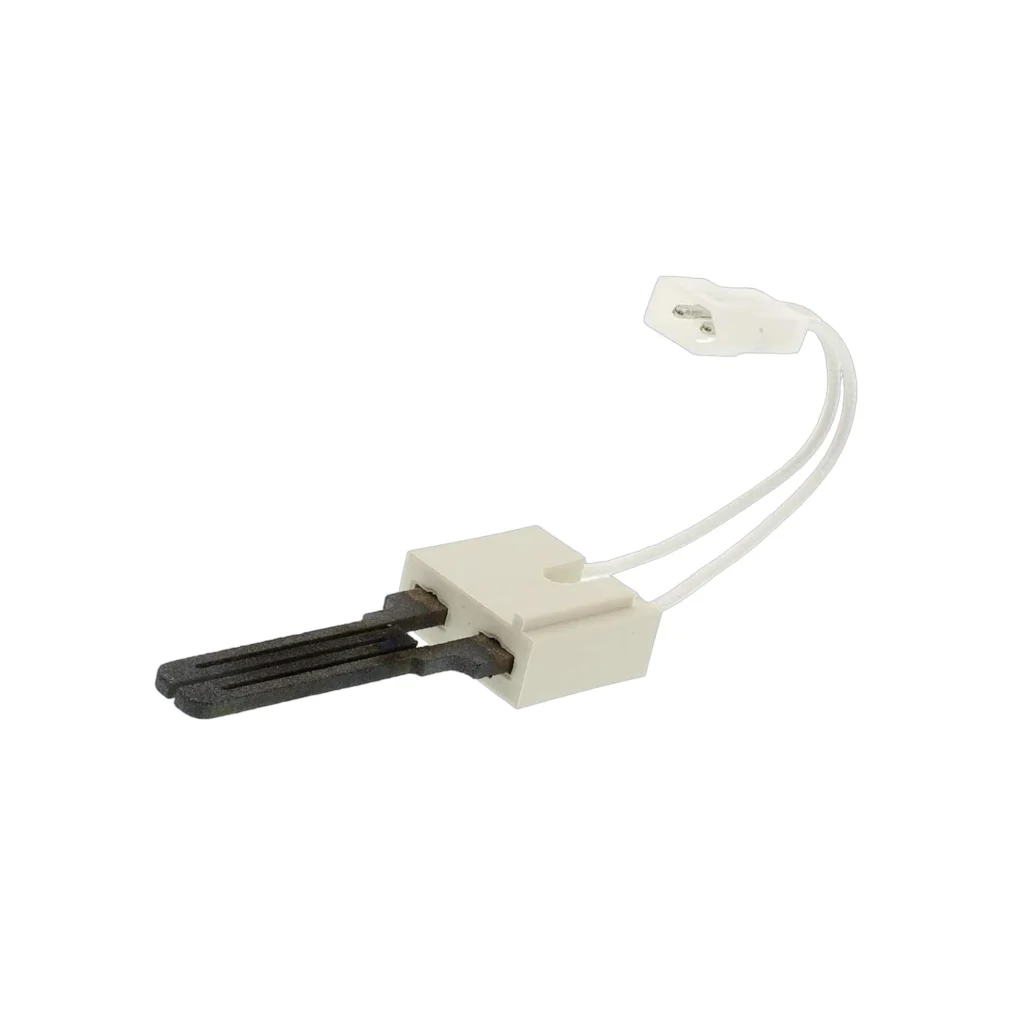
Most Samsung gas dryer igniters fail between 3–5 years, but I've seen them last over 10 when properly maintained. The DC47-00022A igniter in models like the DV457GVGSWR or DV42H5000GW is a $150 part that rarely needs replacing if you understand what kills it early.
Unlike electric heating elements, igniters are fragile ceramic components that draw current to glow red-hot and open the gas valve. They're designed for thousands of cycles, but most fail prematurely from three preventable causes: thermal shock, moisture exposure, and mechanical stress during cleaning.
How Long Should Your Igniter Last?
Samsung rates the DC47-00022A for approximately 10,000 heating cycles — that's 8–12 years for average households running 6–8 loads weekly. Reality is different. Most fail around the 4-year mark because they're stressed by conditions the manufacturer doesn't account for.
The igniter operates at 2200–2500°F when glowing. Every startup subjects it to rapid temperature change. Every moisture intrusion creates microscopic cracks in the silicon nitride ceramic. Every bumped connection weakens the delicate mounting bracket.
What extends igniter life? Consistent operating conditions. Dryers in climate-controlled spaces last longer than garage units experiencing temperature swings. Models running full loads wear better than those constantly interrupted for small batches.
Signs Your DC47-00022A Is Wearing Out
Igniters don't fail suddenly without warning. They telegraph problems weeks before complete failure. You'll notice changes in behavior first, physical degradation second.
Delayed Ignition Sequence
Fresh igniters glow bright orange in 30–45 seconds. As they age, the ceramic develops resistance. You'll hear the igniter click on, but it takes 60–90 seconds to reach full brightness. This happens because internal micro-cracks increase electrical resistance, requiring more time to heat sufficiently.
If your DV405GTPAWR or DVG50R5200W takes two minutes from start to flame, the igniter's ceramic is degrading. It'll work for another 20–50 cycles, then fail completely.
Intermittent Glow or Flickering
Watch through the drum during startup. Does the igniter glow steadily or flicker like a dying light bulb? Flickering means cracked ceramic creating inconsistent conductivity. One cycle it heats fully, next cycle it doesn't.
This symptom appears when thermal stress has fractured the ceramic internally but hasn't completely separated the conductive path. It's the final warning before failure.
Visible Surface Cracks or Discoloration
Remove the lower front panel and inspect the igniter with a flashlight while it's cold. Look for hairline cracks across the ceramic surface or dark spots indicating localized overheating. The igniter should be uniform light gray — any brown or black patches mean degradation.
You can run a dryer with minor surface cracks for another 6 months if you're gentle, but plan the replacement. Once you see cracks, failure is inevitable.
Maintenance That Actually Extends Life
Most "igniter maintenance" advice online is worthless or dangerous. You can't clean ceramic with solvents. You shouldn't touch it during operation. Here's what actually works:
Control moisture exposure. The biggest igniter killer in Samsung dryers isn't heat — it's humidity. If you're running your DV419AGU or DV5471AGP in an unventilated basement, you're saturating the burner assembly with moisture between cycles. Ceramic absorbs it, then experiences thermal shock when heated.
Run a dehumidifier in laundry spaces or ensure adequate ventilation. This single change doubles igniter life.
Don't interrupt heating cycles. Every startup stresses the igniter. Running small loads you stop and restart creates twice the thermal cycles. Let the dryer complete its heating phase even if you're removing items early.
Keep lint away from the burner housing. Lint buildup around the igniter creates insulation that traps heat. The igniter runs hotter than designed, accelerating ceramic degradation. Every six months, vacuum around the burner assembly with the dryer unpowered.
Check electrical connections annually. Corroded or loose connections at the igniter plug create resistance that forces the igniter to draw more current. This overheats the ceramic and shortens life. Inspect the white ceramic wire connector — if it's discolored or the terminals are darkened, clean them with electrical contact cleaner.
When to Replace vs Maintain
If your igniter glows bright orange within 45 seconds and shows no visible cracks, maintain it. Clean the area, verify connections, control humidity.
If it takes over 90 seconds to glow or shows surface cracks, you're maintaining a failing part. Order the DC47-00022A now and install it when convenient rather than waiting for emergency failure.
If the igniter doesn't glow at all or glows weakly (dull red instead of bright orange), it's failed. No maintenance will restore it. The ceramic has cracked internally and lost conductivity.
One exception: if the igniter won't glow but looks perfect, test the gas valve coils first. Sometimes the issue isn't the igniter but the valve it's trying to activate. This happens on approximately 15% of "igniter failures" — you replace a good igniter when the real problem is the valve.
Frequently Asked Questions
Can I clean the igniter with compressed air or brushes?
Never physically touch the ceramic. Compressed air from 6+ inches away is fine for removing dust, but don't spray it directly on the igniter surface. Brushes create micro-scratches that become crack initiation points. If you must clean, use gentle vacuum suction from an inch away.
Why does my Samsung dryer igniter fail more often than my old Kenmore?
Modern Samsung igniters like the DC47-00022A are Norton silicon nitride ceramic — stronger but more brittle than older silicon carbide designs. They handle heat better but tolerate mechanical stress worse. If your dryer vibrates excessively or sits on an uneven surface, the igniter mounting experiences flexing that cracks the ceramic. Level your dryer properly.
Is it worth paying $150 for Samsung OEM or should I buy a $40 aftermarket igniter?
The DC47-00022A uses specific resistance values matched to Samsung gas valves. Cheap aftermarket igniters often use incorrect resistance — they'll work initially but draw wrong current, either failing early or damaging the valve coils. For this part specifically, OEM quality matters. I've replaced more failed aftermarket igniters at 8 months than OEM units at 8 years.
Element showing wear?
DC47-00022A · Replace before it fully fails