
How to Extend Your LG Washer Door Strike Life — Maintenance Guide
Always unplug the washer before inspecting or replacing the door strike. Water and electricity don't mix, and the lock assembly remains powered even when the machine is off.
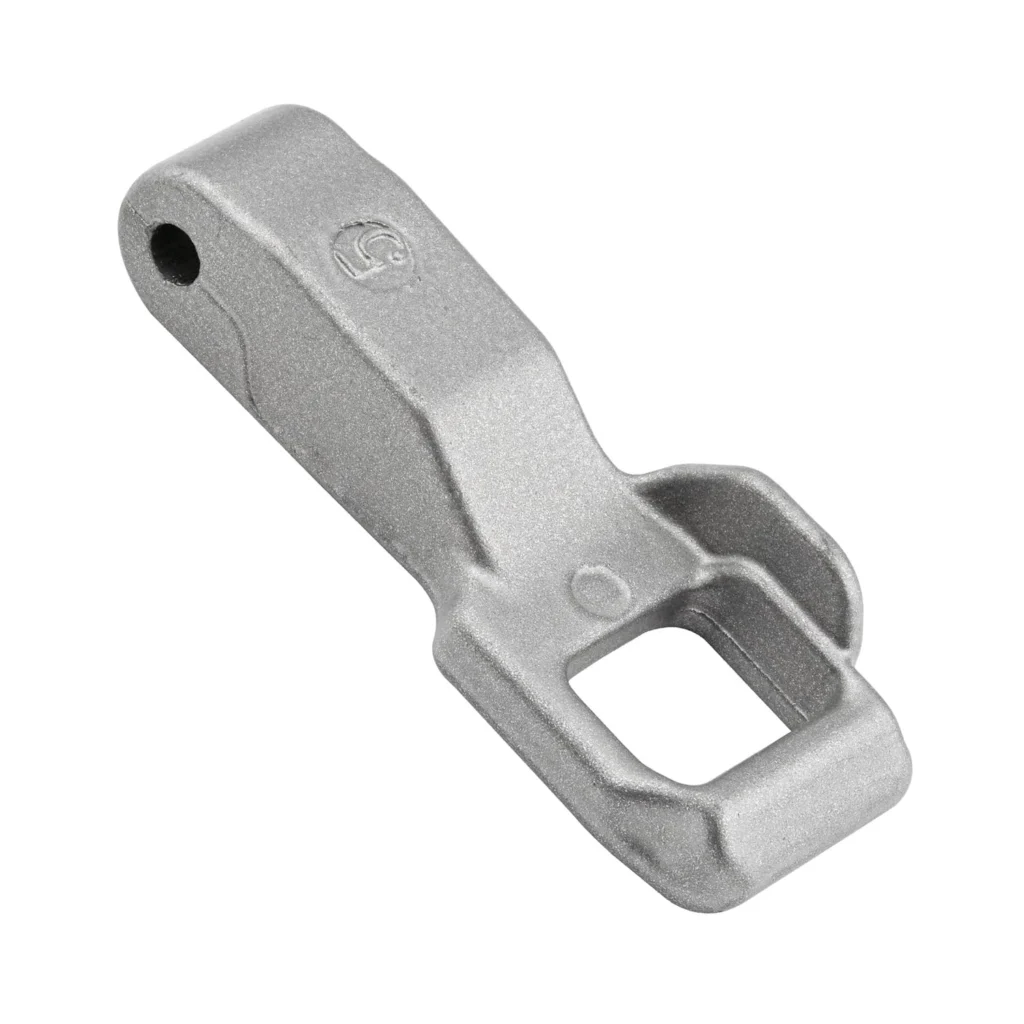
Most LG washer door strikes fail between 7–10 years, but I've seen them quit at year 4 because nobody noticed the warning signs. That little plastic catch gets slammed 2,000+ times a year, and each time the door doesn't close smoothly, you're shaving months off its lifespan. Models like the WM3050CW, WM3500CW, and WM3770HVA are especially prone to strike wear because of their larger drum capacity — more weight means more door stress.
How Long Should It Last?
The door strike (MFG63099101) should give you 8–12 years under normal conditions. That assumes you're not slamming the door, there's no detergent buildup on the mechanism, and you catch wear before it escalates. I've replaced strikes that lasted 15 years, but those were on machines used by one person doing maybe 4 loads a week.
What kills them early? Kids slamming the door. Detergent residue jamming the catch. Letting the door bounce instead of closing it deliberately. And here's the sneaky one — a worn door gasket that forces you to push harder to get it to latch.
Signs It's Wearing Out
The strike doesn't just snap one day. It tells you it's dying, but most people miss it.
Door Won't Close or Latch Securely
This is the big one. You push the door, hear a click, but the machine won't start — or it starts and immediately stops with an error code. Sometimes you'll need two or three tries before it catches. That's the strike's plastic catch wearing down or cracking. Don't ignore this. One user told me: "I bought a new strike and lock for the washer... it took about 20m to take everything apart and put it back together. Very simple repair." He waited until it completely failed.
You Hear Rattling During the Spin Cycle
If the strike isn't catching properly, the door can vibrate loose during high-speed spins. You'll hear a rhythmic rattle or clicking. That's metal on metal because the strike isn't holding the lock tongue tight anymore.
Visible Cracks or White Stress Marks on the Plastic
Pull the door open and look at the strike — it's the little plastic piece mounted on the washer frame that the door lock catches onto. See white lines in the black plastic? Those are stress fractures. It'll break within weeks.
When to Replace vs Maintain
Here's the honest truth: you can't really "maintain" a door strike in the traditional sense. There's no lubrication, no adjustment. What you're actually doing is maintaining the system around it so it doesn't wear prematurely.
Replace it when you see cracks, when the door needs multiple attempts to latch, or when you're pushing harder than normal to close it. Don't wait for complete failure — the strike can break mid-cycle and you'll be stuck with a locked door full of wet laundry.
Maintain the surrounding system if the strike still looks good but you're experiencing early warning signs. Clean the gasket monthly, check the strike for debris, and train everyone in the house to close the door firmly but not aggressively.
Frequently Asked Questions
Can I just clean the door strike instead of replacing it?
If it's not cracked, yes — wipe it down with a damp cloth to remove detergent buildup. But cleaning won't fix wear. If the plastic is shiny or smooth where it should be textured, or if you see stress marks, cleaning is just delaying the inevitable $9.99 repair.
Will a worn strike damage my door lock assembly?
Absolutely. When the strike doesn't catch properly, the lock mechanism works overtime trying to secure the door. I've seen lock assemblies ($60–90 part) burn out because someone ran a washer for six months with a worn strike. Replace the strike first — it's cheaper.
How do I know if it's the strike or the lock that's failed?
Open the door and manually inspect the strike for cracks. Push on it — does it flex or feel loose? If yes, it's the strike. If the strike looks perfect but the door still won't latch, the problem's in the lock assembly itself. On models like the WM3370HVA and WM3600HWA, you'll often need both parts if you've let it go too long.
Element showing wear?
MFG63099101 · Replace before it fully fails