
How to Extend Your Frigidaire Evaporator Fan Motor Life — Maintenance Guide
Always unplug the refrigerator before removing panels or touching the fan motor. Even when unplugged, the capacitor can hold a charge — discharge it with an insulated screwdriver across the terminals before working.
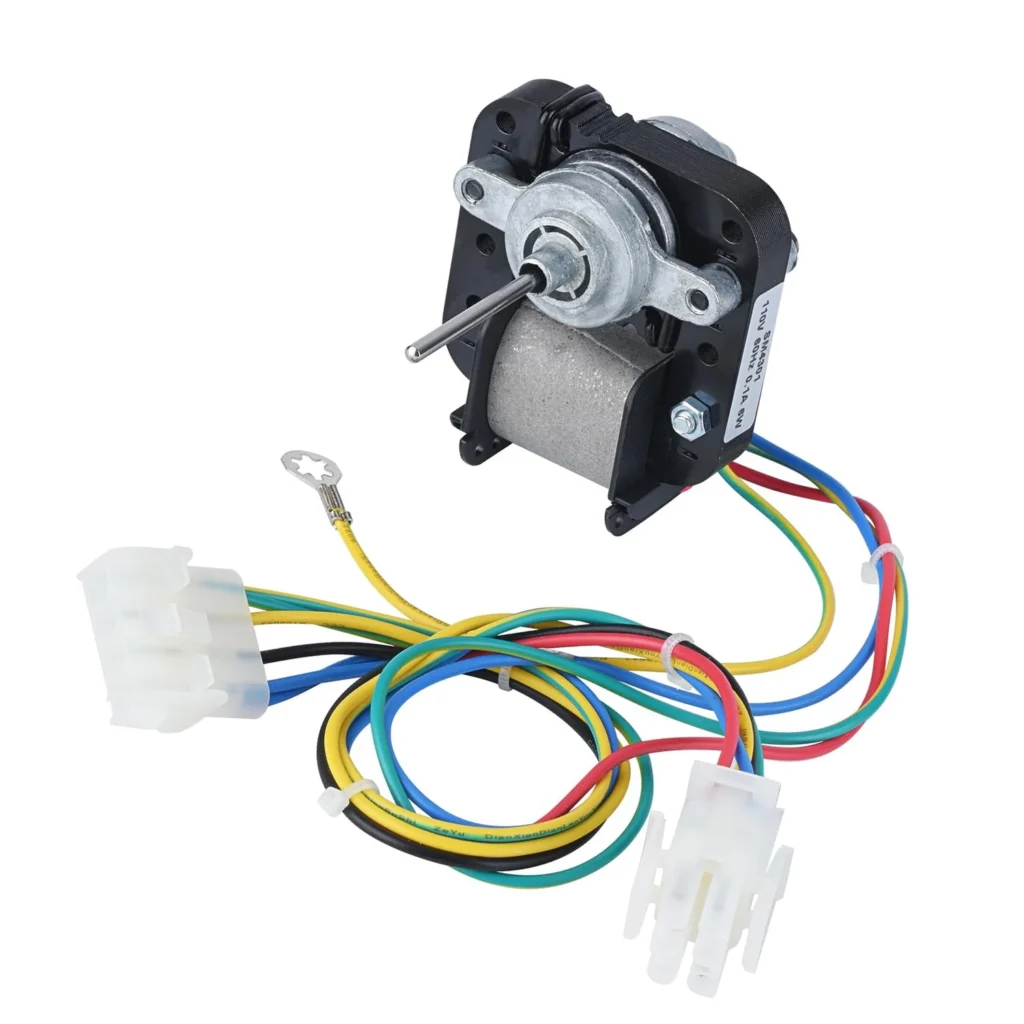
Most Frigidaire evaporator fan motors last 8-12 years, but here's the thing: most failures happen around year 6. Why? Because nobody thinks about maintaining them until the fridge section hits 50°F while the freezer's still cranking out ice. That's the classic symptom of a burned-out fan motor — no air circulation between compartments.
The 241854301 motor works harder than you think. It runs almost continuously in models like the FFHT1826LM4 and FFTR1817LWC, pushing cold air from the freezer into the fresh food section. When it starts failing, you'll know — but by then you're already looking at a $120 replacement instead of 10 minutes of preventive care twice a year.
How Long Should It Last?
Under normal conditions, these motors run 8-12 years. I've seen units in the FFHT1715 series hit 15 years with proper maintenance. The difference? Keeping the airflow path clear and catching bearing wear early.
What kills them faster:
- Dust buildup on fan blades (adds resistance, burns out windings)
- Ice accumulation blocking the fan (motor strains, overheats)
- Running the compressor harder because you're setting temps too low
- Defrost system failures causing ice dams
With consistent cleaning and monitoring, you can push that to 12-15 years. That's an extra 4-7 years for about 20 minutes of work annually.
Signs It's Wearing Out
The motor doesn't just quit overnight. It gives you weeks of warnings if you know what to listen for.
Refrigerator Warm But Freezer Cold
This is the dead giveaway. Your freezer's making ice, running fine, sitting at 0°F. But the fridge section? Climbing to 45-50°F. Milk's going bad. Lettuce is wilting. The evaporator fan motor has stopped circulating cold air from the freezer coils into the fresh food compartment.
Open the freezer and listen. No gentle hum? Motor's done. You might hear the compressor running (that's the louder sound from the back), but the soft whoosh of air movement is gone.
Squealing or Grinding Noise
Before total failure, the motor bearings start complaining. You'll hear a high-pitched squeal when the door closes and the fan kicks on, or a grinding sound like metal on metal. That's the bearing wearing out — you've got maybe 2-4 weeks before it seizes completely.
Some owners report it's loudest right after defrost cycles when ice melt temporarily lubricates the worn bearing.
Intermittent Cooling
The fridge temperature bounces around. It's fine in the morning, warm by evening, cold again overnight. The motor's running when it feels like it — probably making intermittent electrical contact or the bearing is binding up when it gets warm.
Check the temperature variance over 24 hours. More than 5°F swing? That fan motor's on its way out.
Preventive Maintenance That Actually Works
You can't oil these motors (they're sealed), but you can keep them from working themselves to death.
Every 6 Months: Clean the Fan Blades
Unplug the fridge. Remove the freezer back panel (usually 4-6 screws). The evaporator fan motor sits behind the coils. Use a soft brush or damp cloth to clean dust and debris off the fan blades. Even a thin layer adds drag that makes the motor work 15-20% harder.
While you're in there, check for ice buildup on the coils. If you see frost, your defrost system needs attention — that ice will eventually block the fan.
Monthly: Listen for Changes
Stand in front of your freezer with the door closed. You should hear a consistent, quiet hum. Any new noises — squealing, clicking, rattling — mean something's changed. Catch it early and you might save the motor.
Annually: Check the Gasket
Seems unrelated, but a worn door gasket lets warm, humid air in. That air freezes on the evaporator coils. The fan motor has to push through ice formations. Over months, that extra resistance burns it out.
Close the door on a dollar bill. If you can pull it out easily, the gasket's not sealing. Replace it before it kills your $120 fan motor.
When to Replace vs Maintain
Be honest: if you're hearing grinding noises, maintenance won't save it. The bearing's already damaged. Once metal's grinding on metal, you're days away from total failure.
Replace immediately if:
- The fridge section is consistently 10°F+ warmer than setting
- You hear squealing that doesn't stop after 30 seconds
- The fan blade doesn't spin freely when you rotate it by hand (fridge unplugged)
- You see burn marks on the motor housing
Keep maintaining if:
- Everything's working normally (just do the 6-month cleaning)
- You hear occasional soft clicking (that's the defrost timer, not the motor)
- Temps are stable within 2-3°F of settings
The 241854301 motor fits dozens of Frigidaire models — FFHT1826, FFHT1715, FFTR1817 series. It's a 15-30 minute replacement with basic tools (nut drivers, screwdrivers, socket set). Difficulty level: very easy. One customer put it this way: "Had an issue with delivery, but when it finally arrived I put it on and it's working like a brand new refrigerator."
Frequently Asked Questions
Can I just clean the motor and keep using it if it's making noise?
No. Noise means the bearing's already damaged. Cleaning removes dust but doesn't fix worn metal. You'll get maybe 1-2 weeks more, then it'll seize completely. Order the replacement now while the fridge still works — you don't want to be shopping for motors at 11 PM when all your groceries are going bad.
How do I know if it's the fan motor or the defrost system causing ice buildup?
Unplug the fridge and let it thaw completely for 24 hours. Plug it back in. If ice returns within 3-5 days and blocks the fan, that's a defrost problem (timer, heater, or thermostat). If the fan runs fine after thawing but stops a week later with no ice, the motor's failing.
Will running the fridge colder make the motor last longer?
Opposite. Setting the fridge to 34°F instead of 37°F makes the compressor and fan motor run longer cycles. More runtime = more wear. Set it to 37-38°F (coldest safe temperature) and let it cycle normally. Your motor will thank you with 2-3 extra years.
Element showing wear?
241854301 · Replace before it fully fails